Dr Delia McCabe: Optimising brain health
Dr Delia McCabe’s reading list
19 books mentioned in this interview
- Mind the Science · Jonathan Stea, PhD
- On Being Certain: Believing You Are Right Even When You’re Not · Robert A. Burton, MD
- The Righteous Mind: Why Good People are Divided · Politics and Religion
- The Coddling of the American Mind · Greg Lukianoff and Jonathan Haidt
- Rethinking Positive Thinking · Gabriele Oettingen
- The Extended Mind · Annie Murphy Paul
- Chatter · Ethan Kross
- Ultra-Processed People · Chris van Tulleken
- The Death of Expertise · Tom NicholsRecommended 3 times
- Your Brain on Art · Susan Magsamen and Ivy Ross
- Bad Therapy: Why the Kids aren’t Growing Up · Abigail Shrier
- STFU: The Power of Keeping Your Mouth Shut in an Endlessly Noisy World · Dan Lyons
- The Apprentice · Robin Hobb
- The Five Things We Cannot Change — and the happiness we find by embracing them · David Richo
- What Makes Your Brain Happy and Why You Should Do the Opposite · David DiSalvo
- Strange Rites · Tara Isabella Burton
- The Neuroscience of Psychotherapy · Louis Cozolino
- The Collapse of Complex Societies · Joseph A. Tainter
- How Minds Change · David McRaney
Books by Dr Delia McCabe: Feed Your Brain: 7 Steps to a Lighter, Brighter, Feed Your Brain: The Cookbook
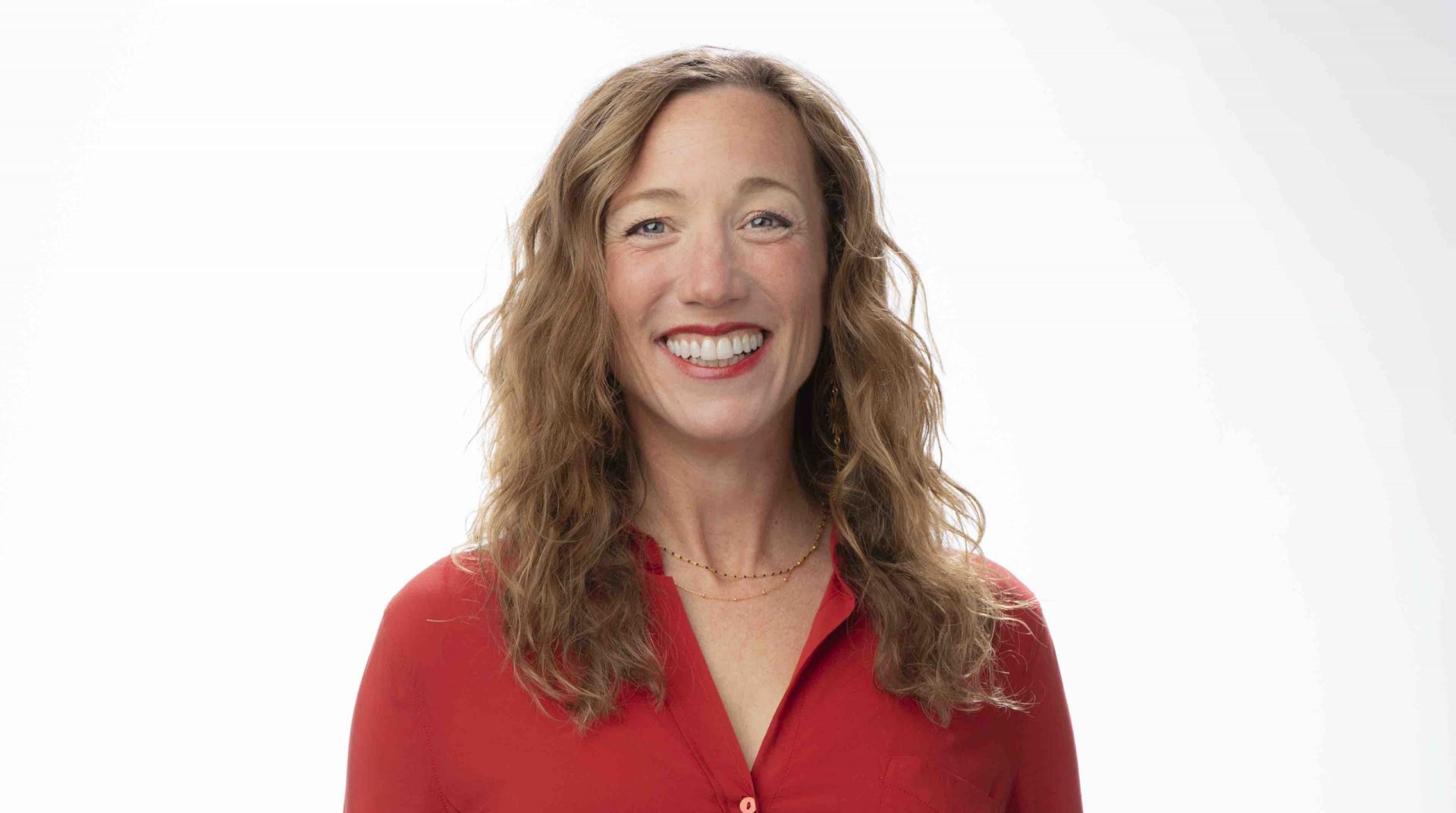
Delia McCabe (PhD) shifted her research focus from clinical psychology to nutritional neuroscience upon discovering nutrition’s critical role in mental wellbeing. Delia’s medical PhD examined the neurological effect of specific nutrients on female stress. She now supports behaviour change and stress resiliency both within corporates and for individuals who want to optimise their brain health via online courses, workshops and tailored events internationally, using her background in psychology combined with evidence-based nutritional neuroscience and lifestyle–neurological perspectives. The author of two books (Feed Your Brain: 7 Steps to a Lighter, Brighter You! and Feed Your Brain: The Cookbook), Delia is a huge booklover and prepares annual recommendation lists for her followers on LinkedIn. And, as you’ll see, she’s chosen some great books to highlight in this interview.


When someone asks ‘What do you do for a living?’, how do you respond?
I teach individuals and teams in organisations how their brain works so they can optimise its function, to improve creativity, decision-making, engagement, and resilience — which also ensures brain health across their lifetime.

What are you reading at the moment?

When you think about your childhood, what book comes to mind?
Oh too many to count! I enjoyed science-y books, autobiographies, and fiction, especially historical fiction because I enjoyed learning about how humans used to live. And Sherlock Holmes!
What did you want to be growing up?
A medical doctor.
What do you think your school-aged self would think of you now?
I’d be amazed … so different to the life I’d envisioned, but better!
If you could wrap up a single book and gift it to yourself on your 21st birthday, what book would you choose and why?
Oh this is a difficult question. There are many books I wish I’d read at that age, but recently I came across a book that I think every 21-year-old should read: On Being Certain: Believing You Are Right Even When You’re Not by Robert A. Burton, MD.

Do you have any books that you strongly associate with important people in your life?
Whenever I think about or see the Bible, I think of my grandfather. And whenever I see any gardening books, I think about my grandmother. When I look at my bookshelves, I think about my children — and how we instilled reading as a family activity from before they could speak.

Which book have you recommended most to friends and family?
Jonathan Haidt’s The Righteous Mind: Why Good People are Divided by Politics and Religion, and the one mentioned above, On Being Certain. I’d also add some of my last four years’ books shared and recommended to my community on LinkedIn:

- The Coddling of the American Mind
 The Coddling of the American Mind
- Rethinking Positive Thinking
 Rethinking Positive Thinking
- The Extended Mind
 The Extended Mind
- Chatter
 Chatter
- Ultra-Processed People
 Ultra-Processed People
- The Death of Expertise
 The Death of Expertise
- Your Brain on Art
 Your Brain on Art
- Bad Therapy: Why the Kids aren’t Growing Up
 Bad Therapy: Why the Kids aren’t Growing Up
Do you prefer fiction or non-fiction? Ebooks, audiobooks or physical books?
Both. But paper books — the human brain engages better with words on a page versus on a device or hearing the words. That’s useful neuroscience, isn’t it?

What’s the best book you’ve read in the last six months?
Hmmm … I’d say the one I’m reading now: Mind the Science. Although, I’m very much enjoying reading the fantasy trilogy about The Apprentice by Robin Hobb. It’s weirdly fascinating even though it’s very far fetched. And STFU: The Power of Keeping Your Mouth Shut in an Endlessly Noisy World by Dan Lyons — it’s refreshing and spot-on in relation to communicating with people.


Name a book that you feel everyone should read.
On Being Certain and The Righteous Mind — on top of my own two books of course! And the STFU one too — many people speak too much!
Which book do you feel has had the biggest impact on your life?
Impossible to say. I really enjoyed and was changed by The Five Things We Cannot Change — and the happiness we find by embracing them by David Richo, and What Makes Your Brain Happy and Why You Should Do the Opposite by David DiSalvo.
- The Five Things We Cannot Change — and the happiness we find by embracing them by David Richo
 The Five Things We Cannot Change — and the happiness we find by embracing them by David Richo
- What Makes Your Brain Happy and Why You Should Do the Opposite by David DiSalvo
 What Makes Your Brain Happy and Why You Should Do the Opposite by David DiSalvo
- strange rites
 strange rites
Are there any books you haven’t already mentioned that you’d want to include on your Top 10 reading list?
- The Neuroscience of Psychotherapy
 The Neuroscience of Psychotherapy
- The Collapse of Complex Societies
 The Collapse of Complex Societies
- Strange Rites
 Strange Rites
- How Minds Change
 How Minds Change
Please tell us briefly about your latest book.
I’m toying with writing one about how much trouble we’re in as a species around mental health and modern life (including what tech’s doing to our brain), and what we have to do to get out of the mess. My Substack is a nod to this idea and has provided the motivation to start the hard work of writing another book.
If you were to write an autobiography, what would it be called?
What I Didn’t Know was a Blessing and a Curse …
If you’ve enjoyed this interview with Delia McCabe, you can find out more about her and her work on her Substack and website. Or follow her on LinkedIn, Facebook and Instagram.
As an Amazon Associate we earn from qualifying purchases made through links on this page.