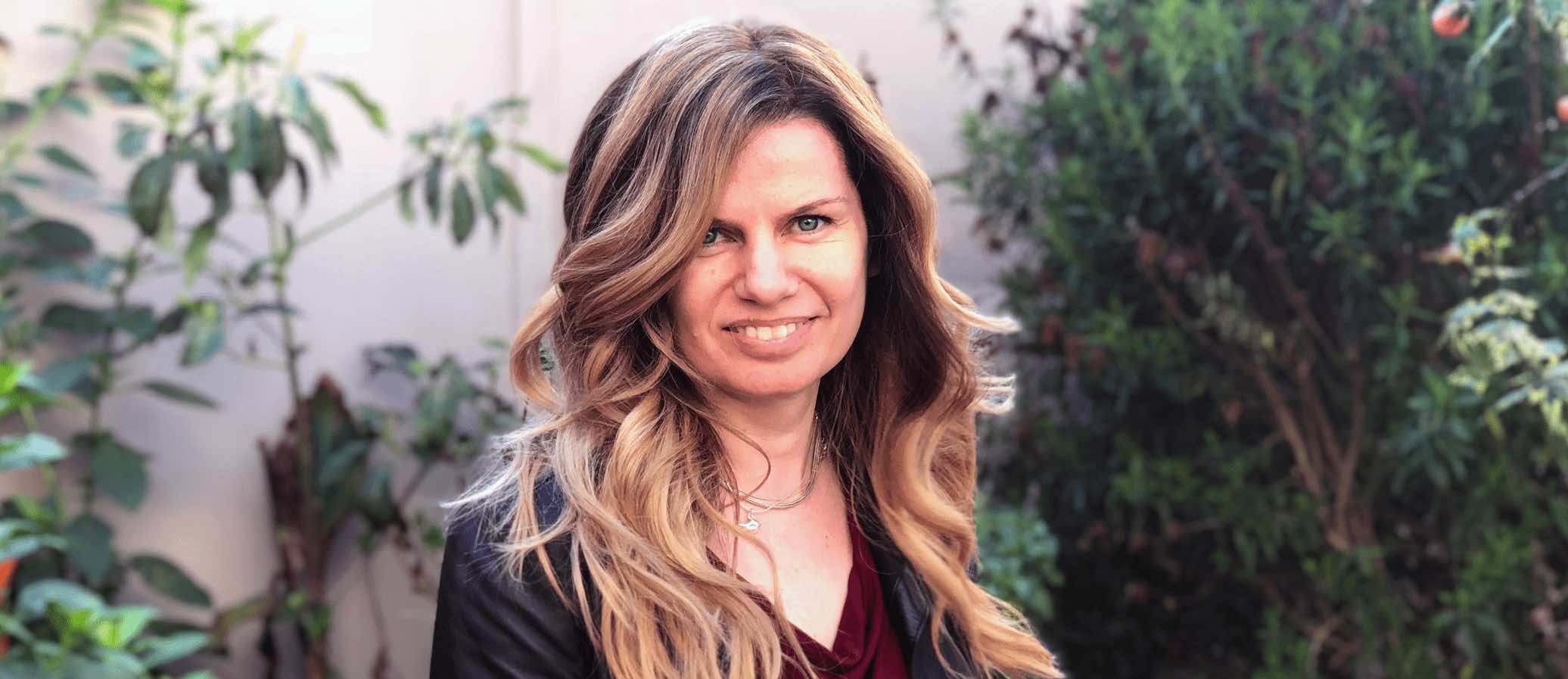
Craig Hassed: Bringing together mindfulness and critical thinking
Craig Hassed’s reading list
11 books mentioned in this interview
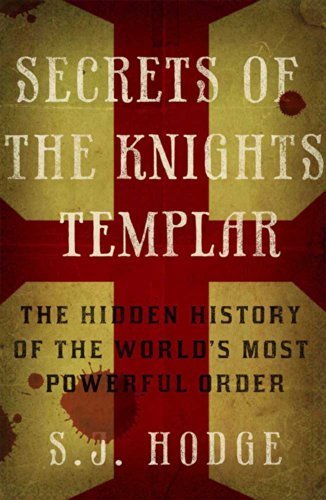
- Secrets of the Knights Templar · S.J. Hodge
- I Am That
- How and Why
- The Power of NowRecommended 13 times
- The Canceling of the American Mind · Greg Lukianoff and Rikki Schlott
- RepublicRecommended 13 times
- SymposiumRecommended 6 times
- Zen Flesh, Zen Bones
- Shakespeare’s complete works
- Bhagavad GitaRecommended 3 times
- Factfulness · Hans RoslingRecommended 4 times
Professor Craig Hassed OAM has taught within the Faculty of Medicine at Australia’s Monash University since 1989 but also teaches in other faculties. He is coordinator of mindfulness programs across Monash and is the Director of Education at the Monash Centre for Consciousness and Contemplative Studies (M3CS). Craig has authored over 120 papers and published 15 books and 18 book chapters. He is regularly invited to speak and run courses in Australia and overseas in health, educational, government and corporate contexts. He is patron of Meditation Australia, a regular media commentator and co-authored the world’s two leading mindfulness massive open online courses. In 2019 Craig was awarded the Medal of the Order of Australia (OAM) for services to Medicine.
When someone asks ‘What do you do for a living?’, how do you respond?
I normally say, “I do a bit of teaching at Monash University and give a few talks here and there.” If they are interested to know what I teach generally I say, “I mostly teach in the Medical and Arts Faculties and I have strong interests in mindfulness and lifestyle medicine.” If they are really interested to know more then I tell them about the work of the Monash Centre for Consciousness and Contemplative Studies (M3CS).
What are you reading at the moment?
I have two books by the bedside at the moment. One is I Am That which involves transcripts of conversations between the 20th Century Indian sage, Nisargadatta Maharaj, and the spiritual aspirants who came to ask him questions. The other is Secrets of the Knights Templar by S.J. Hodge which goes into the origins, phenomenal growth, and eventual persecution and extinction of this fascinating and unique order of warrior monks.

When you think about your childhood, what book comes to mind?
I didn’t enjoy reading and avoided it at all costs when I was a child, especially fiction. If I did read a book, then it was along the lines of the How and Why books which were all about nature and science and explaining how they worked.

What did you want to be growing up?
When I was growing up, I was interested in lots of things but fixated about no one thing. Early on I thought being a writer might be good, then perhaps a teacher, or perhaps philosophy, or psychology. When I finally had to decide on a course at the age of 17, I knew I was interested in the mind and I wanted to help people so I went into medicine as a starting point. As it has turned out, I have wound up on a career path that has allowed me to do all the things I was interested in.
What do you think your school-aged self would think of you now?
I didn’t see that coming.
If you could wrap up a single book and gift it to yourself on your 21****st birthday, what book would you choose and why?
Perhaps The Power of Now. I only read it once when I was about 50, but it was very wise, practical, readable and accessible. I think it would have resonated with me at that age at a time when I probably wasn’t ready for deeper philosophical classics with a more spiritual focus.

Do you have any books that you strongly associate with important people in your life?
Not really.
Which book have you recommended most to friends and family?
I rarely recommend books to family and friends.
Do you prefer fiction or non-fiction? eBooks, audiobooks or physical books?
I definitely prefer non-fiction and within that I include classic philosophical texts that communicate wisdom. Mind you, a lot of books that are classified as non-fiction today will, I suspect, be rightly reclassified as fiction in a generation or two.
I have to read off screens a lot in my work, but when reading for leisure I always prefer to have a physical book in my hands. I never read eBooks or listen to audiobooks.
What’s the best book you’ve read in the last six months?
I don’t know about the ‘best’ book, but I definitely found The Canceling of the American Mind by Greg Lukianoff and Rikki Schlott very interesting. It was well written and researched and laid out an excellently reasoned argument for why we are becoming a very uncivil society these days where closing down debate by cancelling people is very polarising and mostly a form of intellectual or ideological tyranny disguising itself under benevolent sounding slogans.

Name a book that you feel everyone should read.
If they could read it with an open mind and real attention, I would recommend Plato’s Republic. His description of democracy in decline seems prescient almost like he is watching and describing current events. It may help people to understand what is happening in the world today, especially where our Western democracies seem to be headed, and what is needed to turn things around.

Which book do you feel has had the biggest impact on your life?
The first real book I ever willingly picked up, and read because I wanted to, was Plato’s Symposium. I was 25 years old, newly graduated from medicine, and had decided now was the time to broaden my horizons by letting bloom my latent interest in philosophy. I had heard of Plato, and on the back cover it said that the Symposium was about love, a topic I felt I should learn about. It was a revelation. The dialogue and characters were so alive, especially Socrates. Finally, a book that made the hard work of reading worth the effort. That’s when I became a ‘reader’.

Are there any books you haven’t already mentioned that you’d want to include on your ‘Top 10’ reading list?
I’ve named six books above so four others I would include are:
Shakespeare’s complete works – for a poet and playwright, his writings are unprecedented in their literary genius and philosophical depth
Bhagavad Gita – strong medicine, but great for those who like their wisdom served straight and unadulterated
Zen Flesh, Zen Bones – really approachable and a great way to present wisdom through stories
Factfulness by Hans Rosling – he uses data to create a great argument for reason, informed decision-making and optimism


Please tell us briefly about your latest book.
I am co-authoring a book with two colleagues which brings mindfulness together with critical thinking – the likely title, Mindfully Rational. This book feels timely. Why? It appears collectively we are heading towards an iceberg in terms of how most public debate and academic discourse are conducted these days. Critical thinking and debate have become forms of intellectual warfare with the focus on winning arguments, destroying opposition, and pushing agendas rather than a sincere, good natured and collaborative inquiry into the truth of the matter. Hopefully this book can help ‘turn the Titanic’.
If you were to write an autobiography, what would it be called?
A Round Peg in a Square Hole
If you would like to find out more about Craig and his work, he can be found at M3CS at Monash University.
Main image: Craig Hassed greeting the Dalai Lama on stage at the Sydney Convention Centre.
As an Amazon Associate we earn from qualifying purchases made through links on this page.