Wes Parham: Reading List
Wes Parham’s reading list
15 books mentioned in this interview
- Be A Hater: A Polemic on the Hater Mindset
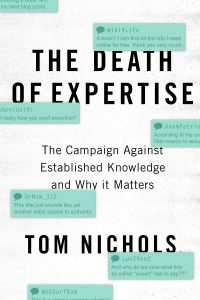
- The Death of Expertise · Thomas NicholsRecommended 3 times
- Amusing Ourselves to Death · Neil Postman
- Being Wrong · Kathryn Schulz
- Reframing Organizations · Lee Bolman and Terrence Deal
- The Righteous Mind · Jonathan HaidtRecommended 3 times
- Curious · Ian Leslie
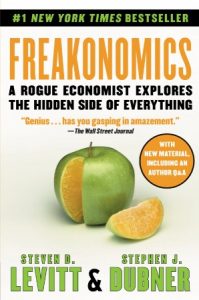
- Freakonomics · Steven Levitt and Stephen Dubner
- Predictably Irrational · Dan ArielyRecommended 7 times
- The Narcissism Epidemic · Jean Twenge and Keith Campbell
- You Are Not So Smart · David McRaney
- Post-Traumatic Slave Syndrome · Joy DeGruy
- God Forsaken
- Life After Death the Evidence · Dinesh D’Souza
- Affluenza · John De Graaf
Wes Parham MBA Ph.D. is a higher education professional and an Organizational Consultant at WEEW Consulting. Wes Parham is a national speaker in the areas of student development, organizational innovation, and organizational leadership. With his unique mix of social commentary, humor, and scholarship Wes Parham has presented to thousands of students, professionals, and individuals and has established himself as a dynamic voice in today’s culture. Wes Parham earned a Bachelor’s degree in Communication and an MBA with an emphasis in Leadership and Organizational change from the University of Missouri-Kansas City. He earned his Ph.D. in Organizational Leadership from Regent University in Virginia Beach. Wes Parham has a true passion for individual empowerment, personal growth, and creative leadership. His professional experiences include positions as a project manager, student life coach, academic advisor, recruiter, scholarship coordinator, consultant, admissions director and more. Please enjoy my interview with Wes Parham.
When someone asks you ‘what do you do for a living?’ – How do you respond?
I am the author of Be A Hater: A Polemic on the Hater Mindset. I am also a higher education professional and an organizational consultant. I help organizations especially higher education ones to address their organizational cultures, process, and climates. Especially as it relates to critical thinking, individual cognition, innovation, ethical behaviour, and effective relationships. Besides that, I am an avid regular Nintendo player. I can compete with the best on Mario 3. If you could make a living just playing that game that’s what I would do.

What are you reading at the moment?

What’s your earliest memory of reading?
I remember being in the 3rd grade and being in the library at school. I found the Greek Mythology section and fell in love. I read every book in that section. I was particularly fond of Hercules, Perseus, and Apollo.
If you could encourage young people to read one book in particular, what would it be and why?
Oh, just one book? I don’t know if I could pick just one. I would say Amusing Ourselves to Death by Neil Postman would be one. Being Wrong by Kathryn Schulz is phenomenal as well. And I also think that my book Be A Hater: A Polemic on the Hater Mindset could be of great benefit to younger people too.


What is the worst job you’ve ever had?
I once had to clean toilets at an outdoor summer camp for kids ages 7-13. That was an interesting experience. I still have terrifying flashbacks of those days.
Do you read as much as you’d like to?
I don’t think so. I don’t think it is possible for me to read as much as I want to. If I could I would read all day and all night. However, that whole needing to feed my family, and you know, sleep thing cause me to have to do some other things other than reading.
What books do you feel are important reading for people on your career path and why?
Reframing Organizations by Lee Bolman and Terrence Deal. This book offers great insight into the leadership, structuring, and orientation of organizations. Bolman and Deal do a great job of presenting their four frames. The book is an easy and engaging read. It is a great book for those who want to help organizations of any kind to improve, innovate, and be more efficient.

Is there a book that you’ve read more than once? What is it and why did you revisit it?
I actually revisit a lot of books. Some books are just so packed full of information, and so fun to read I have to go back. Some examples are The Righteous Mind by Jonathan Haidt, Curious by Ian Leslie, Amusing Ourselves to Death by Neil Postman, Being Wrong by Kathryn Schulz, and Superheroes: The Best of Philosophy and Pop Culture by William Irwin. I love books like these, that mix depth and heavy topics with pop culture or fun narrative writing.


What book have you recommended the most to friends and family?
Being Wrong by Kathryn Schulz. This has to be my favourite book to recommend. It is so fun to read and so full of fascinating and challenging theories, ideas, and topics.
What’s your favourite genre of book?
Cultural Criticism. I love books that look at our current cultural values, etc. and offer a new perspective on them.
What do you think a world without books would be like?
I shudder to think. It would be a world where knowledge would be limited because much of it would have to be discovered and rediscovered over and over again. Since the knowledge discovered before was not captured to be shared with others.
Is there an author whose writing you’re such a fan of, that you’ll read everything they release?
Not yet, but Neil Postman is close.
Do you think digital books will ever completely replace real books?
I don’t think so. I think there is a sense of comfort and accomplishment that comes from reading a hard copy book. Even when I can get an e-book I will still often buy the hard copy just for those feelings.
What book do you feel humanity needs right now?
Amusing Ourselves to Death by Neil Postman would be first, but my book Be A Hater: A Polemic on the Hater Mindset would be a close second. Postman’s book speaks heavily about the influence of media on us as humans and how it is changing us as a people. And my book looks at dissent and disagreement and how we can do it more civilly and respectfully. Both seem very needed right now.
What is the book that you feel has had the single biggest impact on your life?
The autobiography of Thurgood Marshall would probably be it. I was so young when I read it and it was so powerful in its narrative and its portrayal of Justice Marshall’s life, that it made me really consider what I wanted my life to be early on.
Are there any books you haven’t mentioned that you feel would make your reading list?
Oh Wow. There are a lot. Freakonomics by Steven Levitt and Stephen Dubner, Predictably Irrational by Dan Ariely, The Narcissism Epidemic by Jean Twenge and Keith Campbell, You Are Not So Smart by David McRaney, Post-Traumatic Slave Syndrome by Joy DeGruy, God Forsaken and Life After Death the Evidence By Dinesh D’Souza, and so many more.
- Freakonomics by Steven Levitt and Stephen Dubner
 Freakonomics by Steven Levitt and Stephen Dubner
- Predictably Irrational by Dan Ariely
 Predictably Irrational by Dan Ariely
- The Narcissism Epidemic by Jean Twenge and Keith Campbell
 The Narcissism Epidemic by Jean Twenge and Keith Campbell
- You Are Not So Smart by David McRaney
 You Are Not So Smart by David McRaney
- Post-Traumatic Slave Syndrome by Joy DeGruy
 Post-Traumatic Slave Syndrome by Joy DeGruy
- God Forsaken
 God Forsaken
- Life After Death the Evidence By Dinesh D’Souza
 Life After Death the Evidence By Dinesh D’Souza
What books or subject matter do you plan on reading in the next year?
I still haven’t’ looked at Affluenza by John De Graaf.

If you were to write an autobiography – what would it be called?
I don’t know. Ask me again in about 20 years.
If you’d like to learn more about Wes Parham, you can find him on his website and Twitter.
As an Amazon Associate we earn from qualifying purchases made through links on this page.