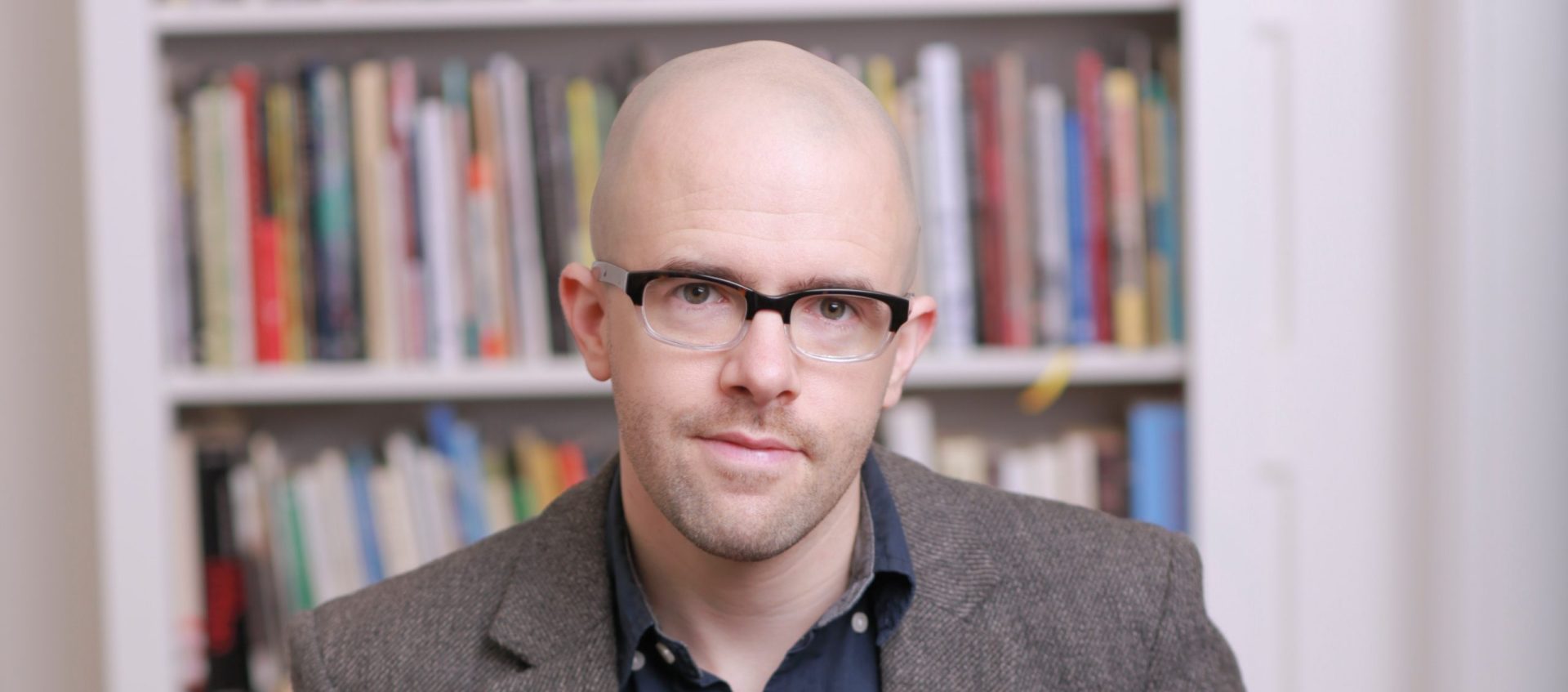
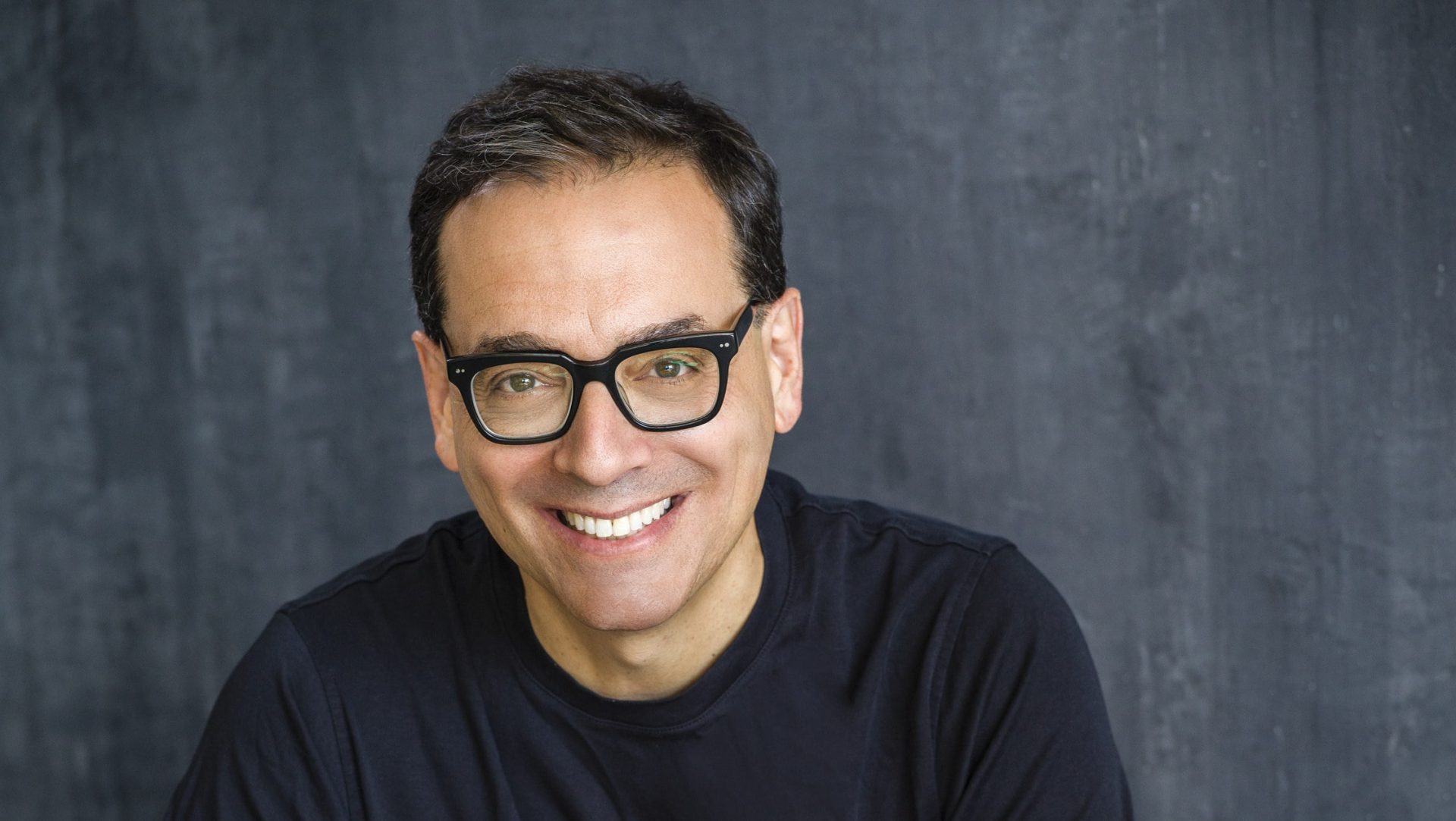
Joe Navarro: Spotting Lies and Catching Spies
Joe Navarro’s reading list
21 books mentioned in this interview
- 67 Shots: Kent State and the End of American Innocence · Howard Means
- The Giving Tree · Shel SilversteinRecommended 11 times
- The Gift of Fear · Gavin De Becker
- Berenstain Bears · Stan Berenstain
- Cosmos · Carl SaganRecommended 3 times
- Desert Queen · Janet Wallach
- The Discoverers · Daniel J. Boorstin
- The Last Lion · William Manchester
- The Human Factor · Graham Greene
- The Naked Ape · Desmond Morris
- Empire of the Summer Moon: Quanah Parker and the Rise and Fall of the Comanches, the Most Powerful Indian Tribe in American History · S.C Gwynne
- Voices in the Ocean: A Journey into the Wild and Haunting World of Dolphins · Susan Casey
- The Power of Myth · Joseph Campbell
- The Histories · Herodotus
- A Brief History of Time · Stephen HawkingRecommended 5 times
- Influence · Robert CialdiniRecommended 13 times
- Lucy, the Beginnings of Humankind · Donald Johanson
- The Age of Reason Begins · Will and Ariel Durant
- The Moon is Down · John Steinbeck
- Heart of a Dog · Mikhail Bulgakov
- One Palestine Complete · Tom Segev
Books by Joe Navarro: What Every BODY is Saying
Joe Navarro is one of the world’s leading authorities on reading non-verbal communications. He has authored many books, including the international bestseller, What Every BODY is Saying. At the young age of 23, Joe Navarro was approached by the FBI, where he’d go on to spend the next 25 years working in the fields of counterintelligence and counterterrorism. He also held one of the coolest job titles out there, spy catcher. I read Joe Navarro’s book around the same time I became obsessed with the TV show, Lie to Me. In a bid to be able to read everyone’s non verbal communications, I purchased his book and devoured it. Although the book was fantastic, I am still yet to be able to read my friend’s tells on our regular Friday night poker (although Joe does have some advice for that situation). I was extremely excited to hear about Joe’s favourite books, and even more excited to share our interview with you…

When someone asks you ‘what do you do for a living?’ – How do you respond?
I tell them I share information. I give approximately 40 presentations around the world each year; I have written 11 books since 2003 when I retired from the FBI; and I blog for Psychology Today Magazine. In a way it is both a vocation and avocation.
What are you reading at the moment?
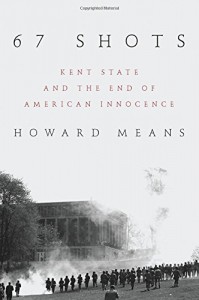
67 Shots: Kent State and the End of American Innocence by Howard Means, that serves to remind us of what happens when we irrationally fear. It is a compelling read on power and the abuse of power in the name of security.

When you think about your childhood, what book comes to mind?
I came to this country as a refugee and for the longest time we could not afford anything to read. As a 9 year old, I would scour the neighborhood trash bins for reading material. There was an attorney that would throw out his books and I would collect them because they were beautifully bound and I was mesmerized by words that I had never heard before in common speech. It taught me to appreciate new words. I wish I could say there was a children’s book that opened my eyes, there was none. I remember in my forties reading The Giving Tree by Shel Silverstein and thinking that would have been a good book to read as a child.

What did you want to be when you were growing up?
I wanted to be many things. I wanted to fly airplanes, I wanted to be a zoologist and work with marine mammals, I wanted to be a spy, and maybe even a doctor.
What do you think your school aged self would think of the present day you?
He would think I fairly much got to do everything I dreamed about and more. I had a pilots license at 16, I became a spy-catcher for the FBI, I was on a SWAT team and a medic, and an author and lecturer. Not bad for a kid who was terribly bored in school. At the same time, the adult me looks back and wonders if I could have done more.
Does your reading have routine? Is there a particular time or place that you like to read?
I read two types of books primarily and I carve our an hour or so every day. I read books that help me to stay abreast of knowledge and science and I read about the accomplishments of others and history. This helps me with both by teaching and writing. Then there is the pleasure reading that I save for vacation and that can span from fiction to nonfiction.
Which book has had the biggest impact on your career so far?
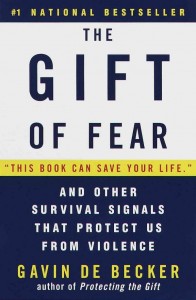
Career wise I would have to say The Gift of Fear by Gavin De Becker really forced me to think how the human mind responds to the world and that shaped my thinking as to the underpinnings of nonverbal communications. It is that book that compelled me to do research for about two years and allowed me to write about body language in, What Every BODY is Saying, which went on to become an international bestseller (published in 29 languages).

Do you have any books that you strongly associate with someone important in your life?
Whenever I go through a bookstore, I walk through the children’s books and every time I see the Berenstain Bears by Stan Berenstain, I think of my daughter.

What book have you recommended the most to friends and family?
I would be derelict if I had only recommended one book. I usually assess others for what might help them or open their minds. To that end, I have recommended the books I have mentioned above but also, Cosmos by Carl Sagan; Desert Queen by Janet Wallach, The Discoverers by Daniel J. Boorstin, The Last Lion by William Manchester, The Human Factor by Graham Greene, The Naked Ape by Desmond Morris, among others.
- Cosmos by Carl Sagan
 Cosmos by Carl Sagan
- Desert Queen by Janet Wallach
 Desert Queen by Janet Wallach
- The Discoverers by Daniel J. Boorstin
 The Discoverers by Daniel J. Boorstin
- The Last Lion by William Manchester
 The Last Lion by William Manchester
- The Human Factor by Graham Greene
 The Human Factor by Graham Greene
- The Naked Ape by Desmond Morris
 The Naked Ape by Desmond Morris
Do you prefer fiction or non-fiction?
I prefer non fiction but I have paid a price for not reading fiction – I have isolated myself too much at times from powerful writing and powerful story telling.
Do you think reading is important?
It is indispensable to me, it enriches my life, it often provides that awe that we all need. I once heard a man talking about he had never read a book after high school. I thought, what a selfish thing to do to your brain.
What’s the best book you’ve read in the last 6 months?
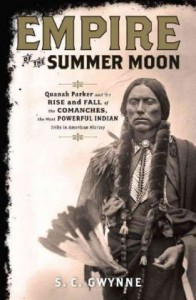
That is not fair – there were several favorites: Empire of the Summer Moon: Quanah Parker and the Rise and Fall of the Comanches, the Most Powerful Indian Tribe in American History by S.C Gwynne and Voices in the Ocean: A Journey into the Wild and Haunting World of Dolphins by Susan Casey. Probably the only two books I read this year that I wish had not ended.
- Empire of the Summer Moon: Quanah Parker and the Rise and Fall of the Comanches, the Most Powerful Indian Tribe in American History by S.C Gwynne
 Empire of the Summer Moon: Quanah Parker and the Rise and Fall of the Comanches, the Most Powerful Indian Tribe in American History by S.C Gwynne
- Voices in the Ocean: A Journey into the Wild and Haunting World of Dolphins by Susan Casey
 Voices in the Ocean: A Journey into the Wild and Haunting World of Dolphins by Susan Casey
Do you prefer real books or digital books?
I like both mediums. Because I do research I like to have paper books with me as I love to write on the margins and take notes notes. On vacation I like the ease of digital books, as I will read 6-8 books on holiday usually.
Name a book that you feel every human should have to read by law.
That is a tough question. I think it is very illuminating to read, The Power of Myth by Joseph Campbell. It explains so much about who we are and why we do the things we do.

What is the book that you feel has had the single biggest impact on your life?
The Histories by Herodotus. Here is one author who on his own was the first historian, anthropologist, sociologist, ethnologist, all wrapped into one and he tells a story that out-rivals the Sopranos and Game of Thrones. This book should be mandatory, not for everyone, just for those that want to be educated.

Are there any books you haven’t mentioned that you feel would make your reading list?
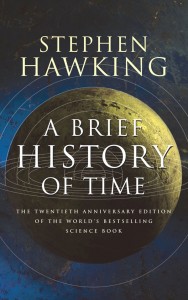
These already made my list, but they should be read widely by the public: A Brief History of Time by Stephen Hawking, Influence by Robert Cialdini, Lucy, the Beginnings of Humankind by Donald Johanson, The Age of Reason Begins by Will and Ariel Durant, The Moon is Down by John Steinbeck, Heart of a Dog by Mikhail Bulgakov, and One Palestine Complete by Tom Segev.
- A Brief History of Time by Stephen Hawking
 A Brief History of Time by Stephen Hawking
- Influence by Robert Cialdini
 Influence by Robert Cialdini
- Lucy, the Beginnings of Humankind by Donald Johanson
 Lucy, the Beginnings of Humankind by Donald Johanson
- The Age of Reason Begins by Will and Ariel Durant
 The Age of Reason Begins by Will and Ariel Durant
- The Moon is Down by John Steinbeck
 The Moon is Down by John Steinbeck
- Heart of a Dog by Mikhail Bulgakov
 Heart of a Dog by Mikhail Bulgakov
- One Palestine Complete by Tom Segev
 One Palestine Complete by Tom Segev
What books or subject matter do you plan on reading in the next year?
Every year has a different theme, 2000 for example it was the Byzantine empire. This year I am focusing on marine mammals, elephants, the great apes, so there will be a lot of Cynthia Moss, Alexandra Morton, Frans de Waal, and Jane Goodall to name a few.
If you were to write an autobiography – what would it be called?
Quest – A life in search of knowledge.
If you’d like to learn more about Joe Navarro, you can do so by visiting his website and his Twitter.
As an Amazon Associate we earn from qualifying purchases made through links on this page.