The Best Books on Sumo
In this list
8 books
- Grand Sumo: The Living Sport and Tradition · Lora Sharnoff This
- The Essential Guide to Sumo · Dorothea Buckingham Widely
- Sumo · Lord K2 This
- The Way of Salt: Sumo and the Culture of Japan · Ash Warren This
- Sumo Skills: Instructional Guide for Competitive Sumo · Thomas Zabel This
- Dynamic Sumo · Clyde Newton and Gerald J. Toff Newton’s
- The Joy of Sumo · David Benjamin Benjamin’s
- Gaijin Yokozuna · Mark Panek Panek’s
There’s something utterly mesmerizing about watching two massive athletes, clad in nothing but silk belts, engage in a battle that can end in mere seconds yet carries the weight of centuries-old tradition. For Western audiences, sumo wrestling represents a fascinating paradox: a sport that’s simultaneously raw and refined, ancient and immediate, deeply spiritual yet explosively physical. Perhaps it’s the ritualistic purity of the ceremonies, the respect shown between competitors, or the way strength and strategy dance together in the ring that draws us in. Or maybe it’s simply the fact that in our fast-paced world, sumo offers something genuinely authentic — a glimpse into a culture where honor, discipline, and tradition still reign supreme.
As we approach the July grand sumo tournament in Nagoya, excitement is building to unprecedented levels. This tournament will mark the debut of Onosato as the sport’s 75th yokozuna, the first Japanese wrestler to achieve sumo’s highest rank in seven years. The 25-year-old sensation has captured hearts both in Japan and abroad with his meteoric rise through the ranks, and his upcoming face-off with fellow yokozuna Hoshoryu promises to usher in a new golden age for the sport.
If you’ve found yourself drawn into sumo’s magnetic pull — whether through watching tournaments, reading news about rising stars like Onosato, or simply being curious about this remarkable sport — you’re in for a treat. The world of sumo literature is as rich and layered as the sport itself, offering everything from intimate memoirs of life inside the sumo stable to comprehensive guides on technique and tradition. Whether you’re a complete newcomer wanting to understand the basics or a devoted fan seeking deeper insights into sumo’s cultural significance, the books we’ve selected will transport you into the heart of this extraordinary world.
Ready to dive deeper into the dohyo? Let’s explore the essential reads that will transform your understanding and appreciation of sumo wrestling.

This is widely considered one of the definitive English-language introductions to sumo wrestling and remains the gold standard for comprehensive sumo literature. Sharnoff’s masterful work provides an unparalleled balance of accessibility and scholarly depth, making complex Japanese cultural concepts understandable to Western readers without losing authenticity. The book meticulously covers everything from the intricate rules and wrestling techniques to the profound cultural and religious significance embedded in every aspect of sumo. What sets this book apart is Sharnoff’s ability to explain the hierarchical structure of sumo society, the daily rituals and traditions that govern wrestlers’ lives, and the spiritual dimensions that elevate sumo beyond mere sport. Her detailed exploration of tournament structure, ranking systems, and the economics of sumo provides readers with a complete understanding of how this ancient art functions in modern Japan. The book serves as both an excellent introduction for newcomers and an essential reference work for serious enthusiasts.

Widely regarded as the most comprehensive reference work in English sumo literature, Buckingham’s guide stands out for its encyclopedic approach to explaining sumo’s most intricate details. What makes this book exceptional is its systematic breakdown of complex tournament structures, detailed analysis of wrestling techniques with their Japanese names and applications, and comprehensive coverage of the ranking hierarchy from the lowest divisions to yokozuna. Buckingham excels at making the often-confusing world of sumo rankings, promotion criteria, and ceremonial protocols accessible to English-speaking readers. The book serves as an invaluable reference for understanding the technical aspects of sumo that other books often gloss over, including detailed explanations of winning techniques (kimarite), referee decisions, and the intricate rules governing tournament play. Her thorough approach extends to covering the business and organizational aspects of sumo, making it essential reading for anyone who wants to understand how modern sumo operates as both a traditional art and a professional sport. The book’s strength lies in its ability to serve as both a learning tool for beginners and a reference manual for experienced fans.

This groundbreaking photographic work represents the most intimate and comprehensive visual documentation of modern sumo culture ever produced in English. What makes Lord K2’s book extraordinary is the unprecedented access he gained to both the public tournaments and the intensely private world of sumo stables, where wrestlers live under strict traditional codes. The book features over 95 stunning photographs that capture not just the dramatic moments of competition, but the grueling daily training, communal living arrangements, and personal sacrifices that define a wrestler’s life. Organized thematically around concepts like ‘ambition,’ ‘obedience,’ and ‘discipline,’ the book reveals the psychological and emotional depths of sumo culture that few outsiders ever witness. Lord K2’s year-long immersion allowed him to photograph wrestlers in unguarded moments — eating, training, resting, and struggling with the demands of their chosen path. The images showcase the remarkable contrast between ancient traditions and modern life, capturing wrestlers navigating Tokyo streets in traditional dress or training with methods unchanged for centuries. This book succeeds in humanising these athletes while preserving the mystique and grandeur of their art, making it essential for anyone seeking to understand the complete sumo experience beyond the tournament arena.
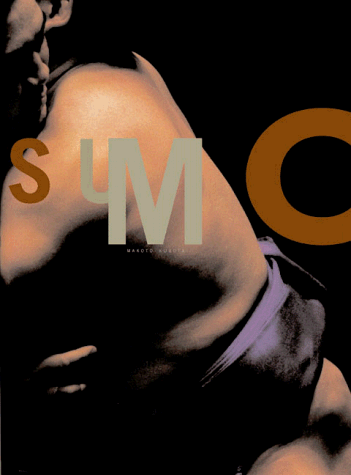
Kubota’s masterpiece stands as one of the most artistically accomplished photographic treatments of sumo wrestling ever created, elevating the sport to the level of high art through his masterful visual storytelling. What distinguishes this book is Kubota’s ability to capture the poetry and drama inherent in sumo through carefully composed images that emphasize the wrestlers’ grace, power, and spiritual intensity. His photographs reveal the balletic quality of sumo movements, the raw emotional expressions during combat, and the serene dignity of pre-match rituals with an artist’s eye for composition and lighting. The book excels at showing sumo as both athletic competition and cultural performance, with images that capture the theatrical elements of the sport — the elaborate ceremonial dress, the ancient rituals, and the dramatic tension that builds before each bout. Kubota’s technical excellence in photography combines with his deep understanding of Japanese aesthetics to create images that function as both documentary evidence and artistic interpretation. The book serves as a visual meditation on themes of tradition, strength, and human drama, making it accessible to readers who might not be interested in technical aspects of sumo but are drawn to its visual and emotional power. For those seeking to understand why sumo captivates the Japanese imagination, Kubota’s photographs provide profound insights that words alone cannot convey.

This exceptional book stands apart as a profound cultural and philosophical exploration that uses sumo wrestling as a lens to illuminate the deepest aspects of Japanese psychology and worldview. Warren’s unique approach transcends typical sports writing by examining the “why” behind sumo — the cultural forces, philosophical foundations, and spiritual dimensions that make this ancient art central to Japanese identity. Drawing on his decades of living in Japan and his credentials as a licensed tea ceremony practitioner, Warren provides authentic insights into the rikishi‘s mindset, exploring how concepts like emotional control, acceptance of defeat, and dedication to the Way (Do) shape both sumo practice and Japanese society. The book brilliantly dispels Western misconceptions about Japanese martial arts, particularly the romanticized notion of the “Zen warrior,” replacing these myths with genuine understanding of Eastern approaches to competition, failure, and personal development. What makes this book transformative is its practical application — readers report that Warren’s explanations of Japanese emotional philosophy and approaches to winning and losing have changed how they handle challenges in their own lives. The book succeeds in making sumo a gateway to understanding broader Japanese cultural concepts like harmony, hierarchy, and the importance of process over outcome, making it invaluable for anyone interested in Japanese culture, personal development, or the deeper meanings embedded in traditional martial arts.

This work fills a crucial gap in English-language sumo literature by providing the only comprehensive modern instructional guide specifically designed for those who want to learn and practice competitive sumo techniques. Zabel’s expertise shines through his systematic approach to teaching fundamental sumo skills, from basic stances and grips to advanced throwing techniques and ring strategy. What makes this book invaluable is its practical orientation — while most sumo books focus on cultural and historical aspects, Zabel provides step-by-step instruction that allows readers to actually learn and practice sumo techniques. The book covers essential elements often overlooked in other works, including conditioning exercises specific to sumo, mental preparation techniques, and strategies for different body types and opponent styles. Zabel’s background in competitive sumo gives him credibility that purely academic approaches lack, and his clear instructional style makes complex techniques accessible to beginners while providing enough depth for serious practitioners. The book also addresses the modern competitive sumo scene outside Japan, making it relevant for those interested in participating in international sumo competitions. For anyone serious about understanding sumo from a practical, hands-on perspective rather than just as a cultural phenomenon, this book is absolutely essential. It bridges the gap between theoretical knowledge and actual practice, making it unique among English-language sumo resources.

Newton’s authority as a long-term sumo observer and co-editor of Sumo World Magazine gives this book unparalleled insider perspective on the sport’s technical evolution and modern developments. What sets Dynamic Sumo apart is Newton’s ability to analyze sumo with both the eye of a technical expert and the insights of someone with decades of direct access to the sumo world. The book excels in its detailed examination of how sumo techniques have evolved over time, providing comparative analysis of different eras and wrestling styles that reveals the sport’s dynamic nature despite its traditional appearance. Newton’s technical expertise allows him to break down complex wrestling movements and strategies in ways that help readers understand the subtle sophistication behind seemingly simple techniques. His insider access provides fascinating insights into the personalities, rivalries, and behind-the-scenes dynamics that shape modern sumo, including candid observations about how wrestlers develop their unique styles and adapt to changing competitive environments. The book’s strength lies in its balance of technical analysis with human interest stories, making it equally valuable for serious students of sumo technique and fans interested in the sport’s colorful characters and ongoing evolution. Newton’s writing reflects the deep knowledge that can only come from years of close observation and personal relationships within the sumo community, making this an essential resource for understanding how traditional sumo continues to evolve in the modern era.
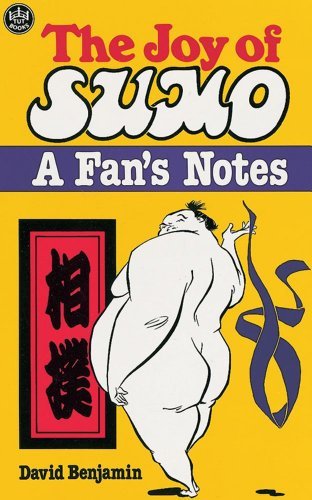
Benjamin’s unique contribution to sumo literature lies in his ability to make the sport’s complex cultural dimensions accessible and entertaining through humor, wit, and genuine affection for the art. What makes this book special is its perfect balance of irreverence and respect — Benjamin can joke about sumo’s more eccentric aspects while never losing sight of its profound cultural significance and athletic excellence. His writing style makes sumo approachable for readers who might be intimidated by more academic or reverential treatments, using humor as a bridge to understanding rather than a barrier to respect. The book excels at explaining sumo’s cultural context through amusing anecdotes and observations that illuminate deeper truths about Japanese society, the nature of tradition, and the human elements that make sumo compelling beyond its athletic dimensions. Benjamin’s background as a long-term resident of Japan gives him the cultural fluency to appreciate sumo’s subtleties while maintaining the outsider’s perspective that allows him to explain things Western readers might find puzzling. His affectionate but clear-eyed portrayal of sumo personalities, traditions, and quirks makes the book an excellent gateway for newcomers who want to understand not just what sumo is, but why it matters to those who love it. The book’s lasting appeal comes from Benjamin’s ability to convey genuine enthusiasm for sumo while acknowledging its contradictions and curiosities with good humor.

Panek’s groundbreaking work provides the definitive account of one of the most remarkable stories in modern sports — the rise of foreign wrestlers, particularly Hawaiians, to the pinnacle of Japan’s most traditional sport. What makes this book exceptional is its exploration of the cultural collision between Western athletes and Japan’s most insular sporting institution, revealing how figures like Akebono, Musashimaru, and Konishiki navigated not just physical competition but profound cultural barriers. Panek’s detailed research illuminates the complex dynamics of race, tradition, and athletic excellence that these pioneers faced, from learning to live in stable dormitories under strict hierarchical rules to mastering not just wrestling techniques but the subtle cultural protocols that govern sumo society. The book excels at showing how these wrestlers’ success forced Japanese sumo to confront questions about tradition, xenophobia, and what it means to be truly Japanese in an increasingly globalised world. Panek’s analysis extends beyond individual stories to examine how foreign wrestlers’ presence changed sumo itself, influencing training methods, international expansion, and Japanese attitudes toward outsiders succeeding in their most sacred sport. The book provides crucial context for understanding modern sumo, where foreign wrestlers have become integral to the sport’s highest levels, making it essential reading for anyone seeking to understand how tradition adapts to global realities while maintaining its essential character.
If you’ve enjoyed this article, you might also like to read our articles on the best books about Japan and the best books on Japanese history.
Feature image courtesy of Eckhard Pecher User:Arcimboldo, CC BY 3.0 https://creativecommons.org/licenses/by/3.0, via Wikimedia Commons
As an Amazon Associate we earn from qualifying purchases made through links on this page.