The Best Books About Vikings
In this list
12 books
- The Sea Wolves: A History of the Vikings · Lars Brownworth
- The Viking Hondbók: Eat, Dress, and Fight Like a Warrior · Kjersti Egerdahl
- The Viking Heart: How Scandinavians Conquered the World · Arthur Herman
- Norse Paganism · Monica Roy
- Children of Ash and Elm: A History of the Vikings · Neil Price
- The Vikings · Else Roesdahl
- The Viking Spirit: An Introduction to Norse Mythology and Religion · Daniel McCoy
- The Viking World · James Graham-Campbell
- Viking: Discover the Story of the Vikings · Susan Margeson
- The Viking Age · Angus A. Somerville and R. Andrew McDonald
- Uncovering Vikings History · Lucas Russo
- The Age of the Vikings · Anders Winroth
One of the most fascinating people in history, I was excited to put together this reading list of the best books about Vikings. The Vikings were a seafaring people from the late eighth to early 11th century who hailed from the Scandinavian countries of Norway, Denmark, and Sweden. They are known for their naval raids and conquests, particularly in Britain, Ireland, and other parts of Europe. The Vikings were skilled warriors and skilled craftsmen, and they are also known for their advances in shipbuilding and navigation. They established several important trading centers, such as Dublin and York, and their influence can still be seen in the cultures and languages of the areas they settled.
There are many books about Vikings that cover a wide range of topics, including their history, culture, and way of life. Some of the best books about Vikings offer insights into their daily life, including their diet, clothing, and social structure. Other books delve into the more violent aspects of Viking culture, including their raids and battles. Still, others focus on the cultural and artistic achievements of the Vikings, such as their poetry, literature, and metalworking. All of these books can provide a deeper understanding of the Viking people and their place in history.
Let’s dive into our reading list of the best books about Vikings…
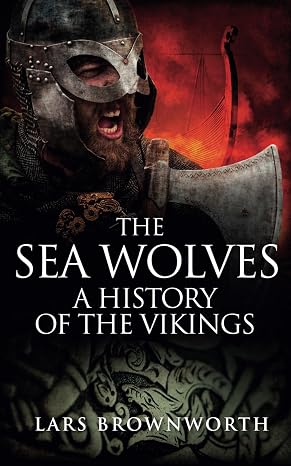
In “Sea Wolves,” Lars Brownworth explores the legendary world of the Vikings and their impact on history. In AD 793, Norse warriors invaded the English isle of Lindisfarne and started a series of raids, conquests, and battles throughout Europe and beyond. The Vikings, known as “sea-wolves,” plundered and colonized much of the British Isles, sacked the continental capitals of Paris and Aachen, and even clashed with the Byzantine Empire in Constantinople.
But there is more to the Vikings than just their reputation for violence and conquest. They were also skilled merchants and explorers who founded Dublin, established a vast trading network, and settled in places like Iceland. They even introduced a form of trial by jury to England and were known for their strong legal system. Brownworth brings these stories to life through the tales of famous Viking figures like Leif the Lucky, who discovered a new world, Ragnar Lodbrok, the scourge of France, Eric Bloodaxe, who ruled in York, and Harald Hardrada, a crafty leader. These and other figures help to shed light on the Viking age, a time that has “grown dark under the cover of night.”
Brownworth is an accomplished author, speaker, and teacher based in Maryland, USA, and is known for his popular and engaging approach to history. His first history podcast, “12 Byzantine Rulers,” was recognized by Apple as one of the “top 50 podcasts that defined their genres,” and he has been featured in the New York Times for his ability to bring history to a wide audience.

In “The Viking Hondbók: Eat, Dress, and Fight Like a Warrior,” Kjersti Egerdahl delves into the complex and captivating world of the Vikings, offering a comprehensive guide to their way of life. The Vikings, known for their skills as craftspeople, merchants, farmers, and seafarers, have inspired numerous pop culture phenomena, including the TV show “Vikings” and the movie “Thor: Ragnarök.” Egerdahl’s book explores the daily life of the Vikings, including their diet, clothing, and combat techniques, as well as their adventures and conquests.
The book also includes historical anecdotes and information about Viking mythology and the afterlife. Egerdahl, an editor and author with a background in music and pop culture, presents this material in an engaging and entertaining way, making it a fun and fascinating read for anyone interested in the Vikings and the Viking Age.

“The Viking Heart” by Arthur Herman is an epic exploration of the history and influence of the Vikings and their descendants. Herman, a New York Times best-selling historian and Pulitzer Prize finalist, uses a combination of historical narrative and cutting-edge research to trace the story of these remarkable people from their origins in Scandinavia to their far-reaching conquests and settlements across Europe and beyond. Along the way, Herman highlights the Vikings’ ingenuity, resilience, and commitment to family and community, and shows how their legacy continues to shape the world today.
The Wall Street Journal praised “The Viking Heart” as “an absorbing and humane account” that reminds readers that the Viking world was about “daring to reach for more than the universe had gifted you, no matter the odds and the obstacles.” By exploring the universal meaning of the Scandinavian experience, Herman offers insights into how we can be inspired by the indomitable spirit of the Vikings.

“Norse Paganism” by Monica Roy is a comprehensive guide to the ancient traditions and religious practices of the Norse people. Roy covers a wide range of topics related to Norse paganism, including the pantheon, oral tradition, beliefs, rituals, mythology, and more. She also explores the evolution of Norse paganism and its continued presence in modern times through the Asatru path and other contemporary practices.
In addition to providing detailed information about the Norse religion, Roy also includes a section on Celtic paganism and discusses the principles and characteristics of the Asatru path. With simple and straightforward language, “Norse Paganism” is an accessible and engaging resource for anyone interested in learning about this ancient and enduring religious tradition. Roy is an experienced author and researcher who has dedicated her career to writing about mythology and paganism for both children and adults.

“Children of Ash and Elm” by Neil Price is a groundbreaking history of the Vikings that offers a new perspective on these ancient Scandinavian peoples. Based on the latest archaeological and textual evidence, Price tells the story of the Vikings on their own terms, exploring their politics, cosmology, religion, and material world. Far from being simply marauding raiders, the Vikings were also traders, explorers, and colonists who exported new ideas, technologies, and beliefs to the lands they encountered.
From Eirík Bloodaxe, a warrior who fought his way to a kingdom, to Gudríd Thorbjarnardóttir, the most traveled woman in the world, “Children of Ash and Elm” presents a rich and nuanced portrayal of the Vikings and their place in history. The Wall Street Journal called the book “thrilling,” and it is sure to be a fascinating read for anyone interested in the Vikings and their impact on the world.

“The Vikings” by Else Roesdahl is an in-depth study of the Viking Age and the complex civilization of the Vikings. Roesdahl, a Professor Emerita in Medieval Archaeology at the University of Aarhus, Denmark and an expert on Viking studies, challenges the stereotype of the Vikings as wild and barbaric pirates and instead presents a nuanced and rich portrait of their society.
Drawing on the latest research on Viking art, burial customs, class divisions, jewelry, kingship, poetry, and family life, Roesdahl offers a comprehensive overview of the Viking world. She also explores the impact of the Vikings on European history, including their role in the spread of Christianity to Scandinavia and their far-reaching trade, travel, and consolidation. “The Vikings” is an essential resource for anyone interested in this fascinating and influential civilization.

“The Viking Spirit” by Daniel McCoy is a comprehensive introduction to Norse mythology and the Viking religion. As the creator of the popular website “Norse Mythology for Smart People,” McCoy is an expert on this subject and presents the material in a clear, entertaining style that is easy to understand. The book includes retellings of 34 epic Norse myths and provides an overview of the Viking religion, including its gods and goddesses, concept of fate, views on the afterlife, moral code, and more.
In addition to drawing on the latest research, “The Viking Spirit” also includes information on the practice of Viking religion, the role of magic in Viking life, and the structure of the universe according to the Norse. This book is the ultimate resource for anyone interested in exploring the timeless splendor of Norse mythology and religion.

“The Viking World” by James Graham-Campbell is an authoritative and comprehensive account of the Viking Age, covering the period from the ninth to the eleventh centuries when the Vikings dominated much of Western Europe. Graham-Campbell, a Professor of Medieval Archaeology at the University of London and an expert on Viking and late Celtic archaeology, draws on recent archaeological research to provide a detailed picture of the Viking world.
The book covers a wide range of topics, including Viking voyaging, art, burial practices, and daily life, and is richly illustrated with maps, reconstruction drawings, and photographs. This revised and updated edition also includes a chapter on ships, shipwrights, and seamen by Sean McGrail. “The Viking World” is an essential resource for anyone interested in this fascinating period of history and the culture of the Vikings.

“Viking: Discover the Story of the Vikings” by Susan Margeson is a beautifully illustrated introduction to the history and culture of the Norse people. Part of the trusted Eyewitness series, the book offers an in-depth look at the Vikings with a unique blend of words and pictures. The book is loaded with stunning color photographs of Viking ships, weapons, clothes, and other artifacts, providing a visual feast for readers of all ages.
With its concise, easy-to-understand text and wealth of images, “Viking: Discover the Story of the Vikings” is a great resource for anyone interested in learning more about this fascinating period of history. Whether you are a child or an adult expert, you will find this book a valuable addition to your knowledge of the Vikings.

“The Viking Age” by Angus A. Somerville and R. Andrew McDonald is a comprehensive collection of primary sources that brings the Vikings and their world to life for modern readers. This extensively revised third edition has been reorganized into fifteen chapters and includes new material on gender and warrior women, as well as a final chapter on the continuing cultural influence of the Vikings.
The book covers a wide range of topics and features translations of Norse texts that are straightforward and easily accessible. With its updated maps and expanded use of visual material, “The Viking Age” is an essential resource for students and instructors studying this fascinating period of history. Angus A. Somerville is a retired professor who specialized in Old Norse and Anglo-Saxon, and R. Andrew McDonald is a Professor in the Department of History at Brock University.

In Uncovering Vikings History, author Lucas Russo delves deep into the true story of the Vikings, offering a comprehensive and thoroughly researched account of this fascinating civilization. From their beliefs and daily life, to their notable figures and cultural contributions, this book offers a nuanced and well-rounded understanding of the Vikings beyond their reputation as brutal raiders.
Russo discusses the latest archaeological evidence, including what Vikings really looked like and their diet, as well as their exploration and trade, and the influence of their religion on modern society. Through this book, readers will come to appreciate the Vikings as more than just warriors, and gain a deeper understanding of this complex and captivating culture.

The Age of the Vikings is a comprehensive exploration of the history and legacy of the Vikings, one of the most iconic and misunderstood civilizations in history. Written by esteemed historian Anders Winroth, this book delves into the full range of Viking activity, from their well-known raids and pillaging to their lesser-known pursuits in commerce, politics, exploration, and colonization. Using a wealth of written, visual, and archaeological evidence, Winroth provides a nuanced and balanced view of the Vikings, revealing their complexity as a society and their enduring impact on the world.
He covers the evolution of Viking arts, literature, and religious thought, and offers new insights into their cultural and historical significance. Whether you’re a seasoned scholar or a casual history buff, The Age of the Vikings is a must-read for anyone interested in this fascinating period of history.
What Did Vikings Actually Look Like?
It is difficult to say exactly what Vikings looked like, as there are no accurate depictions of them from the time period. Most of what we know about their appearance comes from the artifacts they left behind, such as combs, jewelry, and sculptures. Based on these artifacts and the physical remains of Vikings that have been found, it is believed that they were a fairly tall and physically fit people. Vikings tended to have lighter hair and eyes, although some had darker hair and eyes. They also had a reputation for being well-groomed and taking care of their appearance, with many of them using combs to style their hair and beards. However, it is important to note that the appearance of Vikings would have varied greatly depending on their individual genetics and the part of Scandinavia they came from.
When Did Vikings Come To Britain?
Vikings first came to Britain in the 8th century, and they continued to raid and settle in Britain throughout the 9th and 10th centuries. The Viking raids were often violent and destructive, and they caused great fear and anxiety among the people of Britain. The Vikings eventually began to settle in Britain and established several important towns and cities, including York, Dublin, and the Isle of Man. They also established several powerful kingdoms, such as the Kingdom of Northumbria and the Kingdom of Dublin. The Vikings had a lasting impact on Britain, and their legacy can still be seen in place names, language, and cultural traditions throughout the country.
10 Facts About Vikings
- The word “Viking” actually refers to an activity, rather than a specific group of people. It means “to go on a sea voyage” in Old Norse.
- The Vikings were skilled craftsmen and traders, in addition to being warriors. They were known for their beautiful and ornate jewelry, as well as their finely crafted weapons and ships.
- Viking raids were often targeted at monasteries, as they were known to have valuable items like gold, silver, and books.
- The Vikings did not wear horned helmets. This is a myth that originated in the 19th century with the opera “Der Ring des Nibelungen.”
- The Vikings had a system of writing called “runes,” which was used for inscriptions on stone, wood, and metal.
- The Vikings believed in a complex pantheon of gods and goddesses, with Odin being the chief god.
- The Vikings were skilled farmers and raised animals like cows, sheep, and pigs for food. They also ate a lot of fish and seafood.
- Viking women had more rights and freedoms than women in many other societies at the time. They could own property, divorce their husbands, and even fight as warriors.
- The Vikings were known for their naval expertise and used a special type of ship called a “longship” for their raids and expeditions. These ships were fast and maneuverable, and could navigate shallow waters.
- The Vikings had a strong oral tradition and passed down their stories and history through storytelling and poetry. Many Viking myths and legends have survived to this day.
If you enjoyed this reading list of the best books about Vikings, you may also enjoy our list of the best books on Ancient Egypt.
As an Amazon Associate we earn from qualifying purchases made through links on this page.