Paul Williams: A life immersed in creative writing
Paul Williams’ reading list
15 books mentioned in this interview
- MiseryRecommended 6 times
- Wifedom · Anna Funder
- LolitaRecommended 11 times
- Harry PotterRecommended 40 times
- Catcher in the RyeRecommended 26 times
- The Adventures of Huckleberry FinnRecommended 12 times
- If On a Winter’s Night a Traveller
- Zen and the Art of Motorcycle MaintenanceRecommended 8 times
- Sophie’s WorldRecommended 4 times
- Gulliver’s Travels
- House of Hunger
- The Beautyful Ones are Not Yet Born
- The Sunbird
- The Leopard Hunts in Darkness
- Write Now!
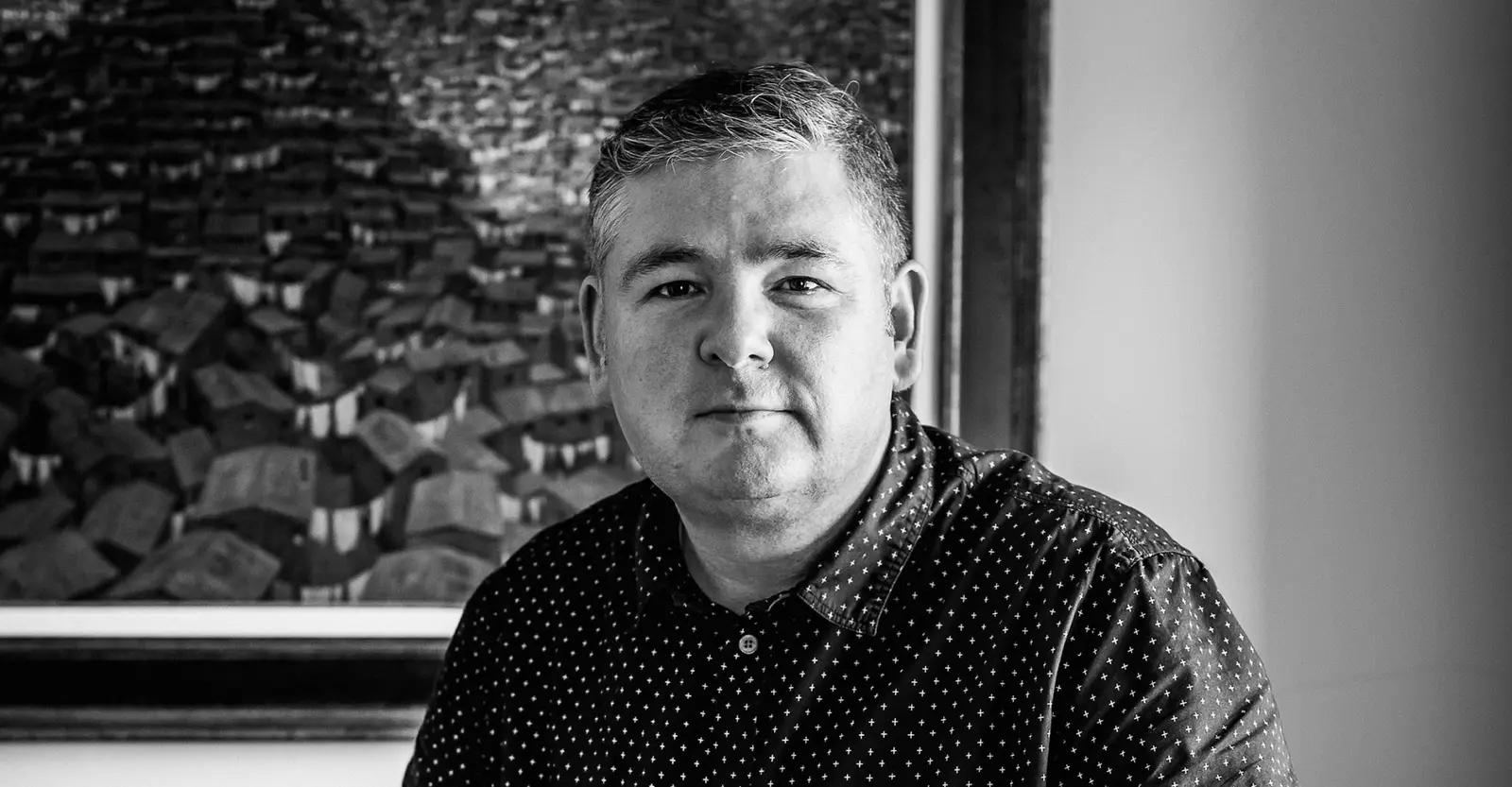
Paul Williams is Associate Professor in Creative Writing at the University of the Sunshine Coast and heads the Creative Writing Program. He has published widely in fiction (crime, fantasy, literary) and non-fiction (memoir, self-help, creative writing textbooks), and has won international awards for his novels.
When someone asks, ‘What do you do for a living?’, how do you respond?
I am an artist — I play music, I write creatively, I teach creative writing, I write about creative writing, research creative writing, and I am fortunate to be able to make a living doing this at a university.
What are you reading at the moment?
I tend to read a number of books at once, and these are connected to what I am writing and teaching, so I am reading Stephen King’s Misery; Wifedom by Anna Funder; re-reading Lolita, Harry Potter, Catcher in the Rye.


When you think about your childhood, what book comes to mind?
I was addicted to English children’s writer Enid Blyton, and consumed all her books. But the first serious book I read and loved and that shaped my childhood was Mark Twain’s The Adventures of Huckleberry Finn.

What did you want to be growing up?
A writer! I wrote and wrote by hand and filled up exercise books with wild adventure stories. I dreamed of being a prolific, popular writer like Enid Blyton, and having a writer’s cottage by the ocean with shelves of my books up to the ceiling.
What do you think your school-aged self would think of you now?
He would be happy that I am doing now what he wanted to do then. I had no opportunity growing up in Africa to play music at school in a band, or write or publish novels, and I had no idea how I was going to make a living by my art. I did not know that you could become a professor of creative writing.
If you could wrap up a single book and gift it to yourself on your 21st birthday, what book would you choose and why?
Italo Calvino’s If On a Winter’s Night a Traveller because of its wild creative experimentation with form and storytelling, and it shows what it’s possible to do as a writer.

Do you have any books that you strongly associate with important people in your life?
Yes, at university my professors recommended the Nobel-prize-winning J.M. Coetzee novels if I was to stretch my mind.
Which book have you recommended most to friends and family?
I have repeatedly recommended philosophical novels that ask deep questions, such as Pirsig’s Zen and the Art of Motorcycle Maintenance and Gaarder’s Sophie’s World.


Do you prefer fiction or non-fiction? Ebooks, audiobooks or physical books?
Fiction. Physical books you can touch and smell and write in and hold to your heart.
What’s the best book you’ve read in the last six months?
Wifedom — because of its inventiveness and innovative narrative techniques.
Name a book that you feel everyone should read.
Jonathan Swift’s Gulliver’s Travels.

Which book do you feel has had the biggest impact on your life?
Are there any books you haven’t already mentioned that you’d want to include in your ‘Top 10’ reading list?
I grew up in Africa and loved African writers such as Marechera (House of Hunger), Ayi Kwei Arman (The Beautyful Ones are Not Yet Born), even Wilbur Smith (The Sunbird, The Leopard Hunts in Darkness).


Please tell us briefly about your latest book.
I am writing a meta-crime novel at the moment, but my latest published book (with Shelley Davidow) is a creative writing textbook for schools, Write Now! (Amba Press). There is a gap in our school curriculum, and few books on how to approach literacy through creative writing in classrooms. The book is based on research we did where Year 9 students completed a creative-writing module and improved in their overall capacity based on a craft-based rubric we created. We had an article published in a highly regarded journal and it’s being cited quite frequently.

If you were to write an autobiography, what would it be called?
Atopia: My Life as a Hermit Crab.
You can find out more about Paul Williams and his work at his website.
As an Amazon Associate we earn from qualifying purchases made through links on this page.