Shelley Davidow: Author and Academic
Shelley Davidow’s reading list
14 books mentioned in this interview
- I Feel Bad about My Neck
- Friends Like These
- Small Things Like These
- The Children of Green Knowe · Lucy M. Boston
- Narnia
- The Secret Garden · Frances Hodgson Burnett. What
- The Lover
- The Transit of Venus · Shirley Hazzard
- Why Zebras Don’t Get Ulcers · Robert Sapolsky
- Wifedom · Anna Funder. Name
- Apeirogon · Colum McCann. Which
- Healing the Mind through the Power of Story · Lewis Mehl-Madrona. Literally
- The Return · Hisham Matar. Enviable
- Three Women · Lisa Taddeo. The
Books by Shelley Davidow: The Girl with the Violin, Write Now
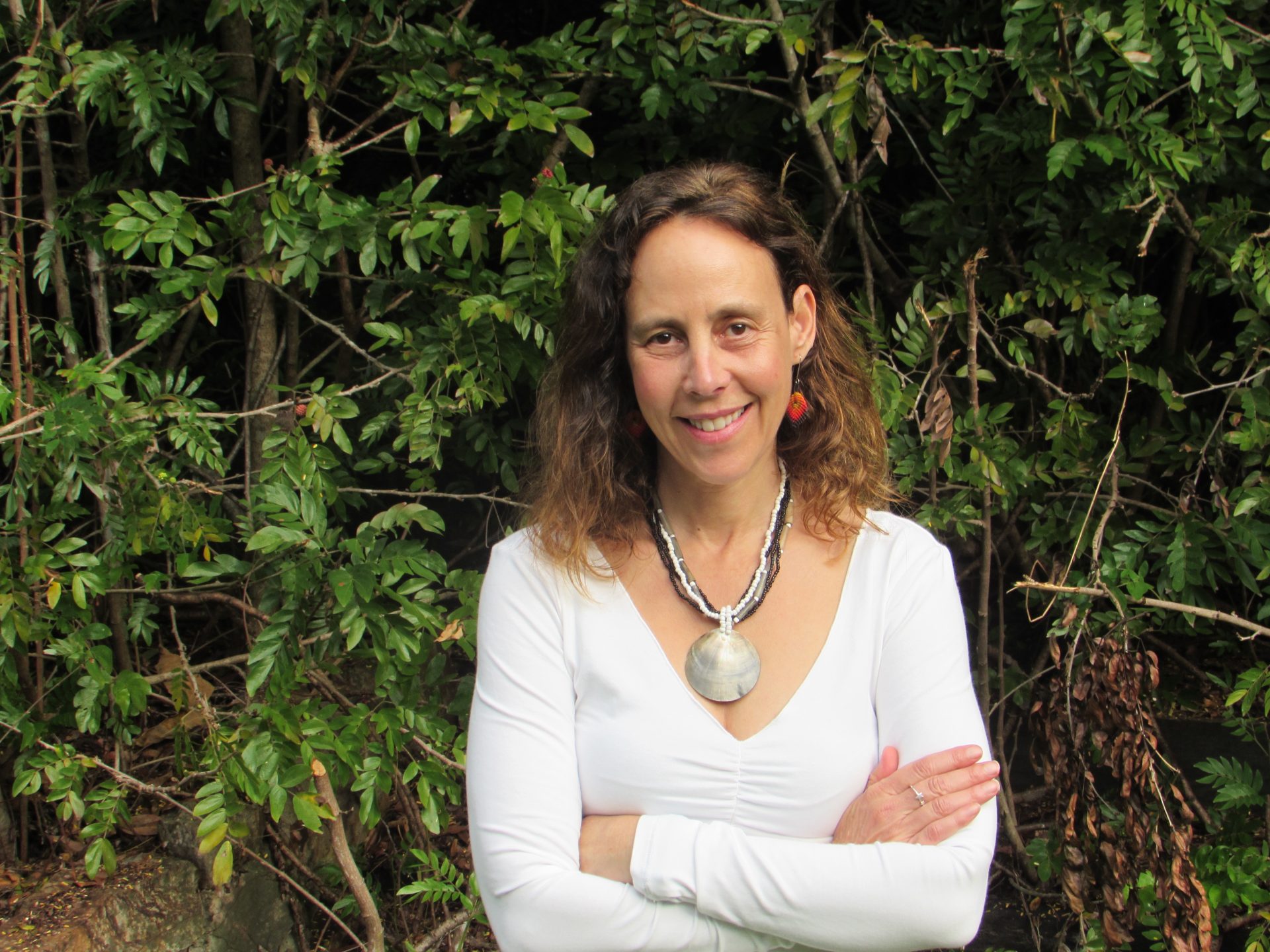
Shelley Davidow is an award-winning international author and a senior lecturer in Education at the University of the Sunshine Coast. She is the author of 51 books across genres. Her most recent novel is The Girl with the Violin (HarperCollins, 2024) and her most recent non-fiction title is Write Now (Amba Press), co-authored with Paul Williams. I’m a huge fan of Shelley’s writing, so it was an absolute pleasure to interview her for The Reading Lists.


When someone asks, ‘What do you do for a living?, how do you respond?
I’m an author and an academic. I write because it’s as necessary as breathing, and I teach to support my writing habit, but also because I love it.
What are you reading at the moment?
I read multiple books simultaneously. I just finished Nora Ephron’s I Feel Bad about My Neck. I have a two-person book club with my 13-year-old niece, and we’re reading Meg Rosoff’s Friends Like These. And I also just finished Claire Keegan’s Small Things Like These.


When you think about your childhood, what book comes to mind?
The Children of Green Knowe by Lucy M. Boston; the Narnia books by C.S. Lewis; The Secret Garden by Frances Hodgson Burnett.


What did you want to be growing up?
Before I was ten, I wanted to be an astronaut. After I realised what it would entail, I completely lost interest. From the age of 12, I wanted to be a writer! I read voraciously and wrote my first novel at 13. I won a literary award at 22, and I haven’t stopped writing ever since!
What do you think your school-aged self would think of you now?
I think she’d be relieved that I’ve been so persistent and now make a decent living in the First World and am still able to write. Once when I was 17, I dreamt I found a stack of books in a cave. They had my name on them, but I didn’t recognise them. I realised then that these were books that I’d written, somewhere in the future. When I woke up, I felt this sadness and exhaustion, like this may never happen and I wish it would. The distance between where I was and where I wanted to go seemed so impossible. So, my teen self would be kind of amazed and happy looking at all the books on my shelf that I’ve written and had published.

If you could wrap up a single book and gift it to yourself on your 21st birthday, what book would you choose and why?
Marguerite Duras’s The Lover, because it is the most brutally honest, beautiful and succinct book I’ve ever read (even though apparently she hated it!). I read it at 24, but it would have helped me personally as a writer to have read it earlier.

Do you have any books that you strongly associate with important people in your life?
While living in America, I was a poor wife-of-a-student with no right to study or work, so I audited a class with a South African writer called Sheila Roberts at the university where my husband Paul was studying. She kindly let me in. We read The Transit of Venus by Shirley Hazzard, which I loved because of her prose and incredible understatement. You only figure out after the last page what actually happened at the beginning of the story. I always think of Sheila when I look at that book on my shelf.

Which book have you recommended most to friends and family?
I have such eclectic taste, no one would read what I read. But I’ve most often recommended Why Zebras Don’t Get Ulcers by Robert Sapolsky, which is brilliant and funny and helpful — about stress and why we could take a few lessons from zebras.

Do you prefer fiction or non-fiction? Ebooks, audiobooks or physical books?
I love fiction and non-fiction equally. Physical books only, written by real humans only, with pages I can engage with, dog-ear, make notes on and treasure.

What’s the best book you’ve read in the last six months?
Wifedom by Anna Funder.

Name a book that you feel everyone should read.
Apeirogon by Colum McCann.

Which book do you feel has had the biggest impact on your life?
The Lover by Marguerite Duras.
Are there any books you haven’t already mentioned that you’d want to include on your ‘Top 10’ reading list?
Healing the Mind through the Power of Story by Lewis Mehl-Madrona. Literally mind-blowing how this narrative psychiatrist gets psychotic patients off meds via helping them change their stories.
The Return by Hisham Matar. Enviable, beautiful writing.
Three Women by Lisa Taddeo. The first of the three women: that story is worth the whole book — stunning writing and a heartbreaking account.


Please tell us briefly about your latest book.
I am writing a novel which is a dual narrative historical fiction, set in 1730 and the present day. I can’t say too much because I don’t like sharing before the book is accepted. It’s challenging me a lot because I have little time and a thousand and one ideas that are all jostling to get written.
If you were to write an autobiography, what would it be called?
It would be a mid-life crisis autobiography and it would have to be called: Rage Against the Dying of the Fucking Light! (I might actually write this, so no one steal my title!)
Find out more about Shelley and her work on her website, and follow her on Instagram and Facebook.
As an Amazon Associate we earn from qualifying purchases made through links on this page.