Nicholas Dirks: The Enormous Differences of Human Experience
Nicholas Dirks’ reading list
29 books mentioned in this interview
- Apollo’s Arrow · Nicholas Christakis
- Sontag · Benjamin Moser
- A Promised Land · Barack ObamaRecommended 3 times
- Let Me Tell You What I Mean · Joan Didion
- Inside Story
- Kim · Rudyard Kipling
- Orientalism · Edward SaidRecommended 3 times
- Hind Swaraj · Mohandas Gandhi
- The Interpretation of Cultures · Clifford Geertz
- Discipline and Punish · Michel Foucault
- Two Men and Music · Janaki Bakhle
- The Idea of India · Sunil Khilnani
- Castes of Mind
- The Scandal of Empire
- At the Existentialist Café · Sarah BakewellRecommended 3 times
- Time of the Magicians · Wolfram Eilenberger
- The Hollow Crown
- Knowledge Resistance · Mikael Klintman
- The Scientific Method · Henry Cowles
- The Knowledge Machine · Michael Strevens
- A Political Education · Andre Schiffrin
- What You Did Not Tell · Mark Mazower
- A Life Beyond Boundaries · Benedict Anderson
- Educated · Tara WestoverRecommended 6 times
- Borges and Me · Jay Parini
- Between Them: Remembering My Parents · Richard Ford
- Working · Robert Caro
- Love and Science · Jan Vilcek
- Avid Reader, a Life · Robert Gottlieb
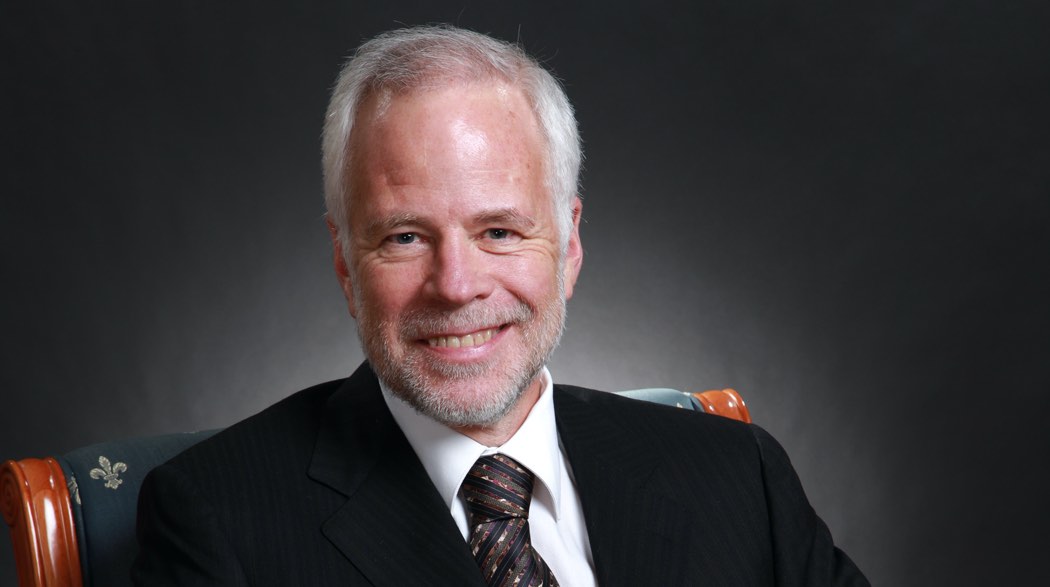
Nicholas Dirks is an internationally renowned historian and anthropologist, and an important leader in higher education. Well-known for his commitment to and advocacy for accessible, high-quality undergraduate education, to the globalization of the university, and to innovation and collaboration across the disciplines and between universities and outside partners, he served as the 10th Chancellor of the University of California, Berkeley. In June 2020, Nicholas Dirks assumed leadership of the New York Academy of Sciences (NYAS) as President and Chief Executive Officer. Founded in 1817, the New York Academy is among the oldest scientific organizations in the United States. Nicholas Dirks served as chancellor at Berkeley from June 1, 2013, and July 1, 2017. During that time, he launched an undergraduate initiative, which occasioned unprecedented cooperation among the deans of undergraduate colleges and the appointment of the first Vice-Chancellor of Undergraduate Education.
Before coming to Berkeley, Nicholas Dirks was the executive vice president for the arts and sciences and dean of the faculty at Columbia University, where, in addition to his work on behalf of undergraduate programs, he improved and diversified the faculty, putting special emphasis on interdisciplinary and international initiatives. He has published four major books, edited three others, and written numerous essays, articles, and papers. Nicholas Dirks is a fellow of the American Academy of Arts and Sciences and has served on numerous national and international bodies while receiving honorary degrees in Beijing, China, and Madras, India. He is a Senior Fellow at the Council on Foreign Relations.
Please enjoy my interview with Nicholas Dirks…
What are you reading at the moment?
I always read more than one book at a time. I just finished reading Apollo’s Arrow by Nicholas Christakis, an excellent book on the pandemic, as well as Sontag by Benjamin Moser, a biography of Susan Sontag, who was a formative intellectual influence for me. I am now reading A Promised Land by Barack Obama and Let Me Tell You What I Mean by Joan Didion (the latter soon to be followed by Martin Amis’ Inside Story).


When you think about your childhood, what book comes to mind?
Kim by Rudyard Kipling. I read it when I spent a year in India at the age of 12, a time that opened up a life-long fascination with India.

What did you want to be when you were growing up?
First I wanted to be a farmer like my uncle and then thought I’d be a preacher or a politician.
What do you love most about teaching History and Anthropology?
History and Anthropology together allow me to teach just about anything – they cover the world in time and place! Both disciplines allow one to explore the enormous differences of human experience, and to tell terrific stories from the archive and from ethnography.
Which books have had the biggest impact on your career so far? How did they impact it?
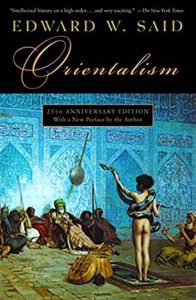
Hind Swaraj by Mohandas Gandhi; The Interpretation of Cultures by Clifford Geertz; Orientalism by Edward Said; Discipline and Punish by Michel Foucault. Gandhi wrote about the need for India to assert its nationhood as he was returning from South Africa to confront the British empire in India; Geertz showed that anthropology drew its insights equally from ethnography and philosophy; Said showed that there were political stakes in the “area studies” programs in which I studied and taught, and Foucault showed how the history of modern institutions is not always (or only) about progress.


Do you have any books that you strongly associate with someone important in your life?
Two Men and Music by Janaki Bakhle (she’s my wife)! It is a great book on the history of Indian classical music.

For someone looking for an introduction to your subject area, what three books would you recommend?
I’d suggest starting with The Idea of India by Sunil Khilnani but would also recommend two of my own books, Castes of Mind and The Scandal of Empire.


Do you prefer fiction or non-fiction?
I read a great deal of fiction, but if I had to choose, I would have to choose non-fiction. That being said, my life would be immeasurably poorer without the fiction of Melville, Eliot, Bellow, Ford, DeLillo, Pamuk, Rushdie, Toibin, Ondaatji, and Morrison, among many others!
What’s the best book you’ve read in the last 6 months?
I read two terrific books on twentieth-century philosophy that were, well, bookends: At the Existentialist Café by Sarah Bakewell; and Time of the Magicians by Wolfram Eilenberger. Both books set some of the major intellectual figures and movements of the twentieth century in the historical currents of their times; both are also immensely readable.


Can you tell us more about your work with the amazing New York Academy of Sciences?
It is a great honor to preside over a learned Academy that was founded in 1817 and hosted talks over the centuries by Thomas Jefferson, Charles Darwin, Margaret Mead, and most recently Anthony Fauci. Since this is a time when science has been under attack, the work of the Academy – is hosting lectures and conferences, organizing work on science-based policy, awarding prizes for young scientists, delivering innovative educational programs for young people around the world – is especially important.
When you decide to write a book, what does your process look like?
It varies. My first book, The Hollow Crown, emerged out of my dissertation. When I wrote Castes of Mind, I fashioned the book out of essays and papers I had written over the course of a decade, though I revised each one. When I wrote The Scandal of Empire, I started with an outline and wrote chapter by chapter in sequence and from scratch.

What books or subject matter do you plan on reading in the next year?
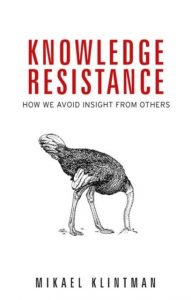
I have one pile of books on science on my desk that I am beginning to read in connection with my work in the Academy: The Scientific Method by Henry Cowles; Knowledge Resistance by Mikael Klintman; Science under Fire by Andrew Jewett; and The Knowledge Machine by Michael Strevens. These books provide histories of the development of ideas in and about science, and also discuss popular reactions to and sometimes rejections of science. I have another pile of books that are memoirs (of different kinds): A Political Education by Andre Schiffrin; What You Did Not Tell by Mark Mazower; A Life Beyond Boundaries by Benedict Anderson; Educated by Tara Westover; Borges and Me by Jay Parini; Between Them: Remembering My Parents by Richard Ford; Working by Robert Caro; Love and Science by Jan Vilcek; and Avid Reader, a Life by Robert Gottlieb.
- The Scientific Method by Henry Cowles
 The Scientific Method by Henry Cowles
- Knowledge Resistance by Mikael Klintman
 Knowledge Resistance by Mikael Klintman
- The Knowledge Machine by Michael Strevens
 The Knowledge Machine by Michael Strevens
- A Political Education by Andre Schiffrin
 A Political Education by Andre Schiffrin
- What You Did Not Tell by Mark Mazower
 What You Did Not Tell by Mark Mazower
- A Life Beyond Boundaries by Benedict Anderson
 A Life Beyond Boundaries by Benedict Anderson
- Educated by Tara Westover
 Educated by Tara Westover
- Borges and Me by Jay Parini
 Borges and Me by Jay Parini
- Between Them: Remembering My Parents by Richard Ford
 Between Them: Remembering My Parents by Richard Ford
- Working by Robert Caro
 Working by Robert Caro
- Love and Science by Jan Vilcek
 Love and Science by Jan Vilcek
- Avid Reader, a Life by Robert Gottlieb
 Avid Reader, a Life by Robert Gottlieb
If you were to write an autobiography – what would it be called?
As it happens, I’m writing one right now; for the moment it is called “The University: a memoir.”
If you’d like to learn more about Nicholas Dirks, you can find him on his website and on Twitter.
As an Amazon Associate we earn from qualifying purchases made through links on this page.