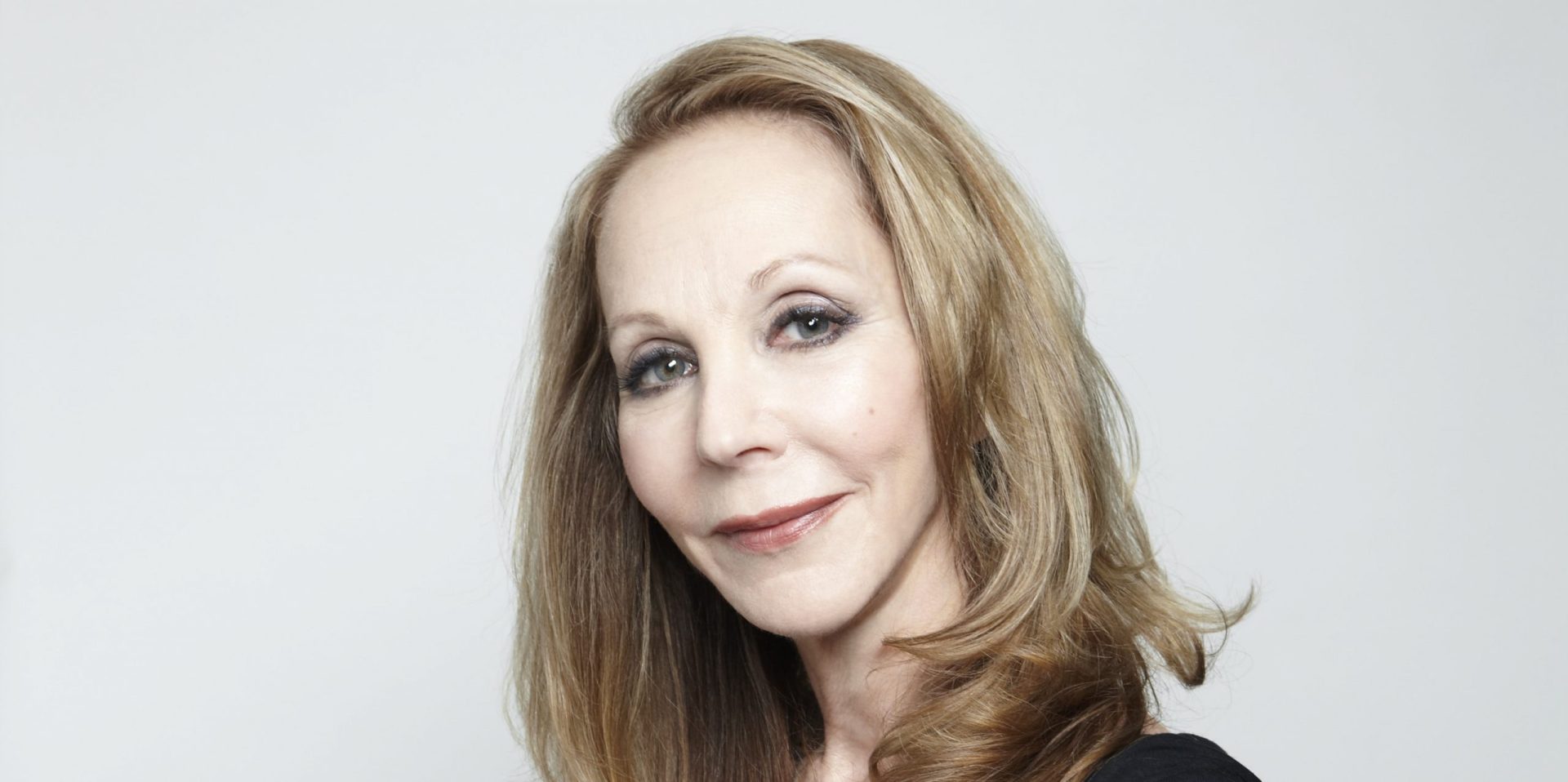
Laura Snyder: How Books Can Change Your Life
Laura Snyder’s reading list
15 books mentioned in this interview
- Nutshell · Ian McEwanRecommended 4 times
- Margaret Fuller: A New American Life · Megan Marshall
- Eye of the Beholder
- Island at the Center of the World · Russell Shorto
- The Philosophical Breakfast Club
- Life After Life · Kate AtkinsonRecommended 4 times
- Arcadia · Iain Pears
- The Lost Painting of Sara de Vos · Dominic Smith
- The Mercury Visions of Louis Daguerre · Dominic Smith
- The Signature of All Things · Elizabeth Gilbert
- Middlemarch · George EliotRecommended 11 times
- The Complete Stories of Sherlock Holmes · Sir Arthur Conan Doyle
- Waterland · Graham Swift
- The Great Bridge · David McCullough
- Galileo’s Daughter · Dava Sobel
Laura Snyder is a historia, philosopher and writer, who lives in New York City. Laura is known for her narrative-driven non-fiction books about how science intertwines with the rest of culture. She says that she has been writing since a very young age, but as we’ll learn in this interview, Laura was far more interested in writing poetry and short stories as a child. These days, Laura Snyder’s writing can be found in her books she is best known for, however she also writes for The Wall Street Journal. When Laura is not writing, she can be found teaching as a professor at St. Johns University. Please enjoy this wonderful interview with the immensely talented Laura Snyder…
When someone asks you ‘what do you do for a living?’ – How do you respond?
“I’m a writer”.
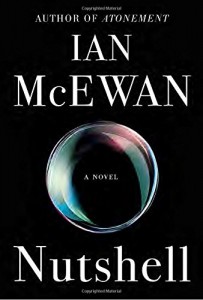
What are you reading at the moment?
I’m finishing up Nutshell by Ian McEwan. It’s brilliant. I’m also reading the Pulitzer Prize winning Margaret Fuller: A New American Life by Megan Marshall.


When you think about your childhood, what book comes to mind?
No one book. When I was in sixth grade my parents wrote a note to the public library giving me permission to take out books in the adult section, and I started with the As and worked my way through the alphabet. For a while I was pretty obsessed with mysteries of all kinds, from Agatha Christie to hardboiled writers like Dashiell Hammett and Raymond Chandler.
What did you want to be when you were growing up?
A writer! But not a non-fiction writer. I wrote stories, poems and novels when I was young and thought I would continue in those genres.
What do you think your school aged self would think of the present day you?
She’d be tickled pink. I used to fantasize about seeing my books in local bookstores, and now I do (thank you, booksellers!). When my book, Eye of the Beholder, was reviewed in the New York Times last year, I felt the spirit of 11-year old Laura cheering.
Does your reading have routine? Is there a particular time or place that you like to read?
In the evenings my 12-year old son, my husband and I group around the living sofa with our books and read together. It’s my favorite time of the day.
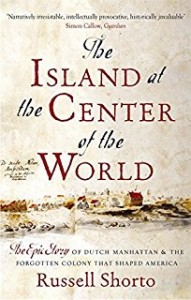
Which book has had the biggest impact on your career so far?
About ten years ago, after my first book was published, I started wondering if I should move away from writing for academic audiences and write for a wider readership. By chance I stumbled upon Island at the Center of the World by Russell Shorto. It was such a stellar example of smart, literary non-fiction well grounded in historical research. I thought, “That’s what I want to do.” I’ve written two books of literary non-fiction since then.

Do you have any books that you strongly associate with someone important in your life?
Yes. Twelve years ago, a shared academic interest in a 19th century work about scientific method by William Whewell (one of the subjects of The Philosophical Breakfast Club) led another scholar to contact me, resulting in a friendship that culminated in our marriage last September.
Do you prefer fiction or non-fiction?
Since I write non-fiction, I probably shouldn’t admit this, but my pleasure reading is mostly fiction. Partly that’s because I read so much non-fiction for my own research that by the end of the day, when I’m reading for fun, I am ready to switch to fiction.
Do you think reading is important?
Well, there’s air, food, family…then reading.
What’s the best book you’ve read in the last 6 months?
That’s a tough one. There’s been a bumper crop of excellent historical fiction lately, and I’ve been binging on them. I adored Life After Life by Kate Atkinson and Arcadia by Iain Pears. I particularly enjoyed The Lost Painting of Sara de Vos by Dominic Smith, partly because the topic is so related to my own recent book, Eye of the Beholder. Like my book, The Lost Painting is filled with the luminous art of the Dutch Golden Age. The two books really complement each other. After finishing that one I read his earlier book The Mercury Visions of Louis Daguerre by Dominic Smith, about the 19th century inventor of the photographic method. That book overlapped with my previous book, The Philosophical Breakfast Club, in which I discussed the origins of photography. I should probably get in touch with Dominic and see what he’s writing now so I can plan my next book topic!
- Life After Life by Kate Atkinson
 Life After Life by Kate Atkinson
- Arcadia by Iain Pears
 Arcadia by Iain Pears
- The Lost Painting of Sara de Vos by Dominic Smith
 The Lost Painting of Sara de Vos by Dominic Smith
- Eye of the Beholder
 Eye of the Beholder
- The Mercury Visions of Louis Daguerre by Dominic Smith
 The Mercury Visions of Louis Daguerre by Dominic Smith
- The Philosophical Breakfast Club
 The Philosophical Breakfast Club
- the signature of all things
 the signature of all things
Do you prefer real books or digital books?
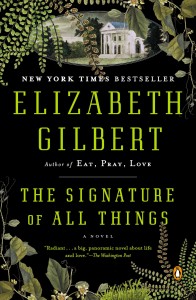
I’m the person lugging two heavy books with me on vacation. I try to limit my carry-on luggage to paperbacks, but I’m not always successful, as when I brought the huge hardback edition of The Signature of All Things by Elizabeth Gilbert to Brazil last December (since I loved the book so much, I schlepped it back home with me too so I can reread it sometime).

Name a book that you feel every human should have to read by law.
None. People should read what they love.
What is the book that you feel has had the single biggest impact on your life?
I wouldn’t say any one book has had the biggest impact, rather, books in general have. Being a book lover changed my life, both early on, when reading was my escape from an unhappy childhood, and later, when it altered the course of my career.
Are there any books you haven’t mentioned that you feel would make your reading list?
Books that have been important to me in some way would have to include Middlemarch by George Eliot, anything by Anthony Trollope, The Complete Stories of Sherlock Holmes by Sir Arthur Conan Doyle and Waterland by Graham Swift. In non-fiction, The Great Bridge by David McCullough, Galileo’s Daughter by Dava Sobel, and, especially, the work of Oliver Sacks. The list could go on and on.
- Middlemarch by George Eliot
 Middlemarch by George Eliot
- The Complete Stories of Sherlock Holmes by Sir Arthur Conan Doyle
 The Complete Stories of Sherlock Holmes by Sir Arthur Conan Doyle
- Waterland by Graham Swift
 Waterland by Graham Swift
- The Great Bridge by David McCullough
 The Great Bridge by David McCullough
- Galileo’s Daughter by Dava Sobel
 Galileo’s Daughter by Dava Sobel
What books or subject matter do you plan on reading in the next year?
When I’m starting a new project, as I am now, I enjoy reading novels set in the place and time of my research. And of course I read enormous numbers of non-fiction books related to the subject. Since my new topic is still a secret, my lips are sealed.
If you were to write an autobiography – what would it be called?
I wouldn’t write one. I like to keep my secrets.
If you’d like to learn more about Laura Snyder and her work, you can find her on her website, Twitter and Facebook.
As an Amazon Associate we earn from qualifying purchases made through links on this page.