Nicole Galland: The Sensory Satisfaction Of Books
Nicole Galland’s reading list
31 books mentioned in this interview
- The Interestings · Meg WolitzerRecommended 3 times
- Secondhand Souls · Christopher Moore
- Henry VI
- Bulfinch’s Mythology · Thomas Bulfinch
- The Phantom Tollbooth · Norton JusterRecommended 6 times
- Dark Is Rising series · Susan CooperRecommended 3 times
- The Diamond Age: Or, A Young Lady’s Illustrated Primer · Neal Stephenson
- The Fool’s Tale
- 1339 Or So: Being An Apology For A Pedlar · Nicholas Seare
- Nutshell · Ian McEwanRecommended 4 times
- The Drunkard’s Walk · Leonard Mlodinow
- Snow Crash · Neal Stephenson
- The Complete Works of William ShakespeareRecommended 4 times
- War and Peace · Leo TolstoyRecommended 20 times
- One Hundred Years of Solitude · Gabriel Garcia MarquezRecommended 18 times
- If On A Winter’s Night A Traveler · Italo Calvino
- Anguished English · Richard Lederer
- The Handmaid’s Tale · Margaret AtwoodRecommended 20 times
- The Orphan Master’s Son · Adam JohnsonRecommended 3 times
- The Collected Plays of Samuel Beckett
- The Idiot · Fyodor Dostoyevsky
- Lamb: the Gospel According to Biff, Christ’s Childhood Pal · Christopher Moore
- Le Petit Prince · Antoine Saint ExuperyRecommended 3 times
- Breakfast of ChampionsRecommended 3 times
- Slaughterhouse-Five · Kurt VonnegutRecommended 13 times
- The Lord of the Rings trilogy · J.R.R. TolkienRecommended 17 times
- The Chronicles of Narnia · C.S. LewisRecommended 13 times
- Fried Green Tomatoes At The Whistle-Stop Cafe · Fannie Flagg
- Remains of the Day · Kazuo IshiguroRecommended 3 times
- Year of Wonders · Geraldine Brooks
- The Vimalakirti Nirdesa Sutra
Books by Nicole Galland: The Rise and Fall of D.O.D.O
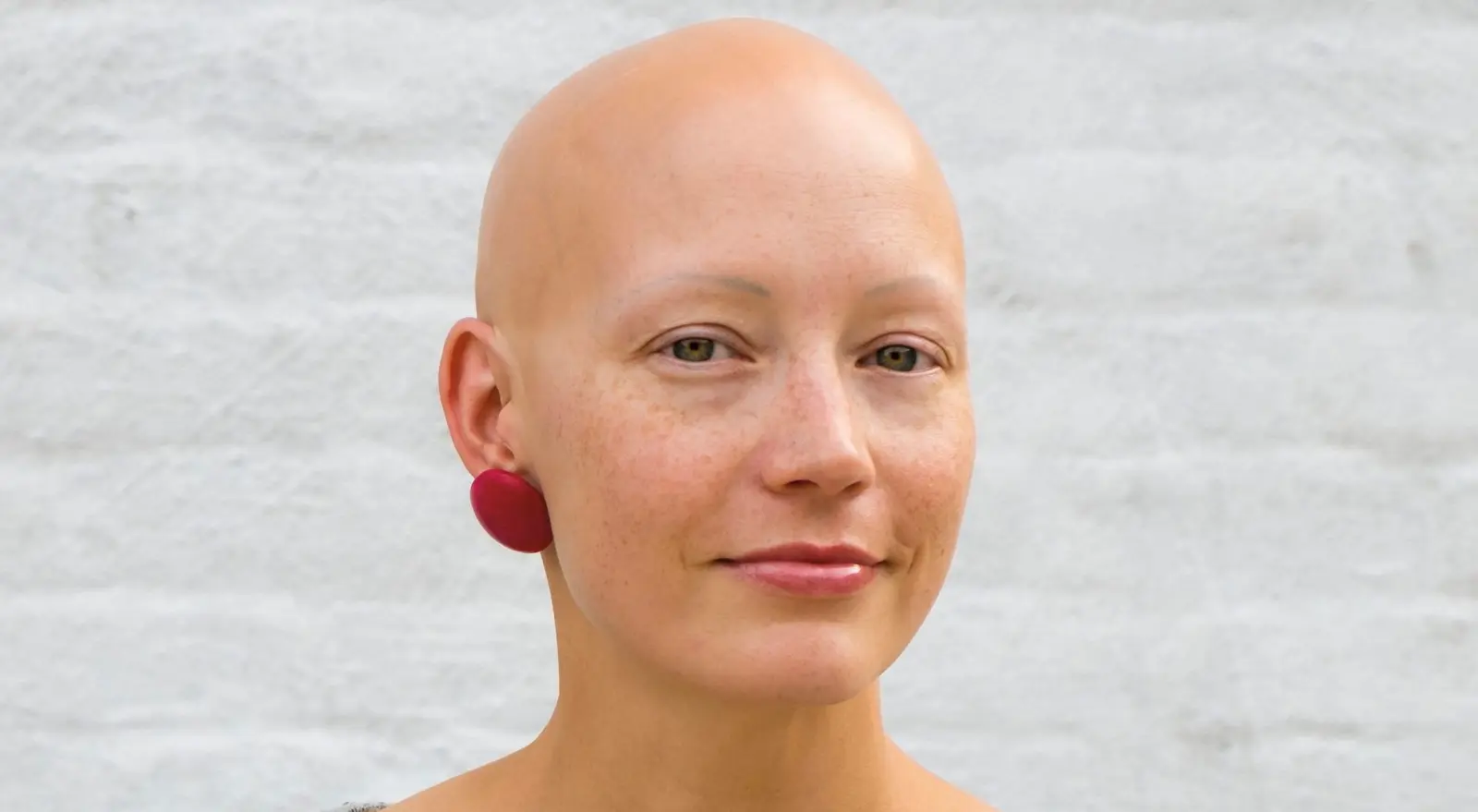
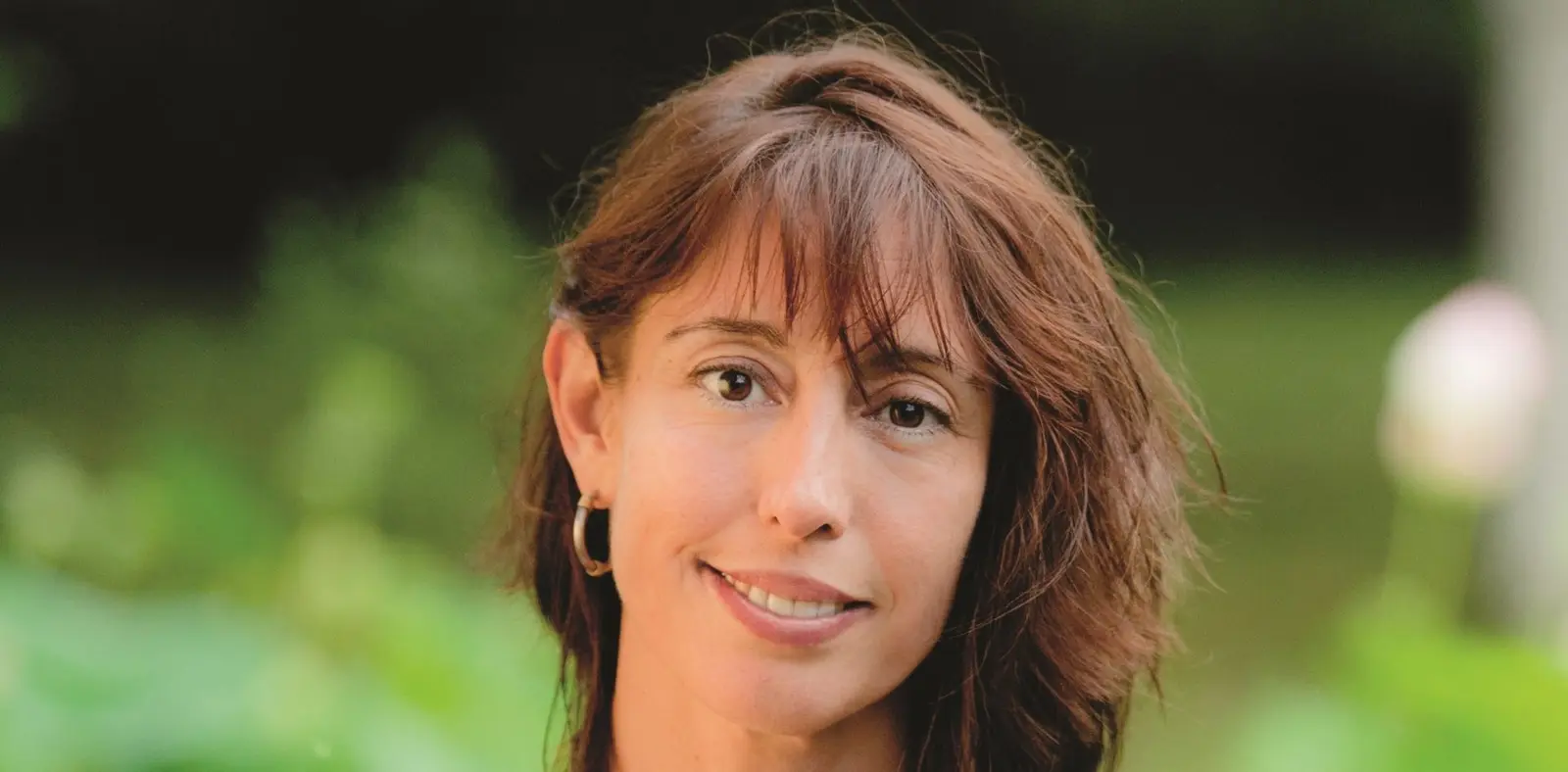
Nicole Galland is an American novelist her perhaps best known for her historical fiction. Nicole has most recently co-authored a near-future thriller with Neal Stephenson, entitled The Rise and Fall of D.O.D.O, as well numerous other highly popular books and comic novels. Born in New York, Nicole Galland would grow up in West Tisbury, Massachusetts — a farming community where her maternal family has roots going back to the 18th century. Nicole Galland graduated from Martha’s Vineyard Regional High School as valedictorian of her class, before going on to study theatre and earn an honors degree in Comparative Religionat Harvard University, with a focus in Buddhism. She spent her 20s and 30s working in theatre, teaching, editing and juggling various odd jobs. In 1998, her screenplay The Winter Population won an award, and inspired her to write more. In 2005, Nicole Galland left her day job to become a full-time writer. Please enjoy my interview with Nicole Galland.

When someone asks you ‘what do you do for a living?’ – How do you respond?
Originally, I said, “I’m a writer,” but that’s so vague as to sound coy, so I started to cut to the chase and say “I’m a novelist.” But that would usually lead to people saying, “Oh! But… what do you do for a LIVING?” So I’ve decided to stick with “I’m a writer.”
What are you reading at the moment?
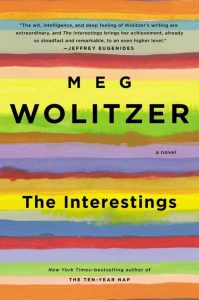
The Interestings by Meg Wolitzer; Secondhand Souls by Christopher Moore; the Constitution of the United States of America; Shakespeare’s three Henry VI plays; a working draft of my next novel. (And too much news. I am trying to take a “news fast” because I’m feeling overwhelmed by the state of the world.)


When you think about your childhood, what book comes to mind?
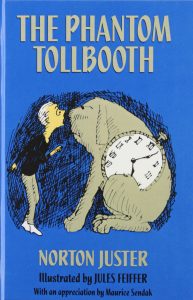
Just one?! How to choose…I read Bulfinch’s Mythology by Thomas Bulfinch when I was 8, and that took up a big chunk of childhood, first to read and then to recover from. However the single most beloved book of my life is The Phantom Tollbooth by Norton Juster. I’ve read it aloud to/with friends/lovers at least 6 times. A close second is the Dark Is Rising series by Susan Cooper.


Can you remember the first story you ever wrote?
When I was about 10 I wrote about a girl in colonial Massachusetts getting involved with the start of the Revolutionary War. I decided she lived in a town called Sudbury. 40 years later, I met people who live in Sudbury and own a barn dating back almost the Revolutionary War. I nearly swooned.
What did you want to be when you were growing up?
An actress or a writer.
What do you think your school aged self would think of the present day you?
That I need a better haircut.
If you could wrap up a single book and gift it to yourself as you left education – which book would it be?
Would have to be a toss-up between a perfectly blank book, and The Diamond Age: Or, A Young Lady’s Illustrated Primer by Neal Stephenson.

Does your reading have routine? Is there a particular time or place that you like to read?
I love to read in bed, but I’ve developed insomnia and the sleep-doctor tells me not to do that anymore. So now I love doing it even more because it feels naughty.
Can you talk us through your writing process, from the first spark of an idea, to having your first completed draft?
The first spark of an idea changes with each novel. I can’t even offer generalities. But I noticed early on that I recreate in my writing process the same process of world-creation that happens when directing a play (I have a theatre background). In theatre, there’s table work (focusing on text and meaning), and then blocking (focusing on people getting from point A to point B in a way that makes sense and is interesting), and then a general rehearsal period (scene-work in which you fine-tune what you’ve already done, plus flesh out relationships, timing, dynamics, clarify characters’ objectives and backstories), and then run-throughs (when you make sure it pretty much all hangs together) and then tech (when you add full costumes, lighting, scenery, sound cues, etc), and then dress rehearsal (where trusted friends and colleagues see the show and might be invited to give feedback to the director), and then it opens. I write my novels exactly the same way. My first drafts are hardly more built-out than a script with blocking notes. Rewriting feels like a rehearsal between my ears. Eventually I do a few run-throughs, reading it top to tail to make sure it makes sense. Then I tech it, adding the physical and sensory details – I make sure everyone is dressed, and sitting on furniture, and experiencing weather, etc. Then, when I feel like it’s mostly all come together, I let a few very trusted friends read over it to tell me their opinion. When I write collaboratively, as I’ve just done with Neal (Stephenson) on The Rise and Fall of D.O.D.O., I generally adjust my process to whoever I’m working with – I enjoy sampling other people’s MO.
Which book has had the biggest impact on your career so far? How did it impact it?
The Fool’s Tale, my debut novel, because it made me a published author.

What two pieces of advice would you give a young aspiring writer?
Stephen King beat me to the punch on this: 1. Read a lot. 2. Write a lot.
Do you have any books that you strongly associate with someone important in your life?
1339 Or So: Being An Apology For A Pedlar by Nicholas Seare puts me in mind of my grandfather, Hans Galland, who introduced me to it.

What book have you recommended the most to friends and family?
The Phantom Tollbooth by Norton Juster. I have been recommending it for 50 years now. More recently, I was effusive about Nutshell by Ian McEwan.

Do you prefer fiction or non-fiction?
I prefer history, which is generally a bit o’ both…
Do you think reading is important?
Um. Yes. Otherwise I would not be a writer.
What’s the best book you’ve read in the last 6 months?
I can’t decide on the best one. Hm…. I was rather impressed with the Constitution of the United States, but that’s not a book. Maybe The Drunkard’s Walk by Leonard Mlodinow?

Do you prefer real books or digital books?
REAL! What can replace the sensory satisfaction of turning the page of a book, or feeling the texture of the binding, or catching the cover art from the corner of your eye while you’re crossing the living room?
Name a book that you feel everyone would benefit from reading and explain why.
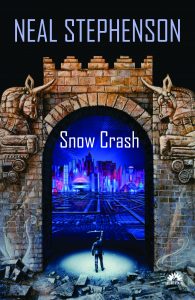
Snow Crash by Neal Stephenson – specifically, now, 25 years after it was first published. For a number of reasons, but the key one was brought to my attention recently by a Snow Crash fan who hadn’t been born when the book first came out. Neal created a high-tech-suffused world that did not yet exist. Now such a world does exist – eerily similar to his imagined version, but not identical. To compare/contrast “his” cyberspace and “our” cyberspace is akin to a double-blind experiment. Plus it’s very smart and very funny. (I’m more in love with The Diamond Age, and another day I might have chosen that one.)
What is the book that you feel has had the single biggest impact on your life? What impact did it have?
As I said above, my debut novel The Fool’s Tale made me a full-time novelist, so that seems worth mentioning, but I don’t think that is what you mean. Hm. Per the childhood-reading-list question, The Phantom Tollbooth by Norton Juster and The Dark Is Rising series by Susan Cooper imprinted themselves on my neural networks and surely shaped how I relate to both reality and language.
Are there any books you haven’t mentioned that you feel would make your reading list?
If I haven’t actually mentioned The Complete Works of William Shakespeare, that should be included. I’d also include the following:
War and Peace by Leo Tolstoy, One Hundred Years of Solitude by Gabriel Garcia Marquez, If On A Winter’s Night A Traveler by Italo Calvino, Anguished English by Richard Lederer, The Handmaid’s Tale by Margaret Atwood, The Orphan Master’s Son by Adam Johnson, The Collected Plays of Samuel Beckett, The Idiot by Fyodor Dostoyevsky, Lamb: the Gospel According to Biff, Christ’s Childhood Pal by Christopher Moore, Le Petit Prince by Antoine Saint Exupery, Breakfast of Champions and Slaughterhouse-Five by Kurt Vonnegut, The Lord of the Rings trilogy by J.R.R. Tolkien, The Chronicles of Narnia by C.S. Lewis, Fried Green Tomatoes At The Whistle-Stop Cafe by Fannie Flagg, Remains of the Day by Kazuo Ishiguro, and Year of Wonders by Geraldine Brooks.
I’d also include almost everything by Ursula LeGuin or Thich Nhat Hanh. E.E. Cummings’ poetry (but not his politics). The Vimalakirti Nirdesa Sutra, which is sort of a riot. I’m not including history or other narrative nonfiction because then I’d never stop.
- The Complete Works of William Shakespeare
 The Complete Works of William Shakespeare
- War and Peace by Leo Tolstoy
 War and Peace by Leo Tolstoy
- One Hundred Years of Solitude by Gabriel Garcia Marquez
 One Hundred Years of Solitude by Gabriel Garcia Marquez
- If On A Winter’s Night A Traveler by Italo Calvino
 If On A Winter’s Night A Traveler by Italo Calvino
- Anguished English by Richard Lederer
 Anguished English by Richard Lederer
- The Handmaid’s Tale by Margaret Atwood
 The Handmaid’s Tale by Margaret Atwood
- The Orphan Master’s Son by Adam Johnson
 The Orphan Master’s Son by Adam Johnson
- The Collected Plays of Samuel Beckett
 The Collected Plays of Samuel Beckett
- The Idiot by Fyodor Dostoyevsky
 The Idiot by Fyodor Dostoyevsky
- Lamb: the Gospel According to Biff, Christ’s Childhood Pal by Christopher Moore
 Lamb: the Gospel According to Biff, Christ’s Childhood Pal by Christopher Moore
- Le Petit Prince by Antoine Saint Exupery
 Le Petit Prince by Antoine Saint Exupery
- Breakfast of Champions
 Breakfast of Champions
- Slaughterhouse-Five by Kurt Vonnegut
 Slaughterhouse-Five by Kurt Vonnegut
- The Lord of the Rings trilogy by J.R.R. Tolkien
 The Lord of the Rings trilogy by J.R.R. Tolkien
- The Chronicles of Narnia by C.S. Lewis
 The Chronicles of Narnia by C.S. Lewis
- Fried Green Tomatoes At The Whistle-Stop Cafe by Fannie Flagg
 Fried Green Tomatoes At The Whistle-Stop Cafe by Fannie Flagg
- Remains of the Day by Kazuo Ishiguro
 Remains of the Day by Kazuo Ishiguro
- Year of Wonders by Geraldine Brooks
 Year of Wonders by Geraldine Brooks
- The Vimalakirti Nirdesa Sutra
 The Vimalakirti Nirdesa Sutra
What books or subject matter do you plan on reading in the next year?
It depends on what my next writing project is. That will determine the books I read for research, and also, possibly, what books I read for pleasure, as a palette-cleanser. No matter what, Shakespeare will be in the equation.
If you were to write an autobiography – what would it be called?
She Who Visits. I tend to move around a lot.
If you’d like to learn more about Nicole Galland, you can find her on her website, Facebook and Twitter.
Image credit: Eli Dagostino
As an Amazon Associate we earn from qualifying purchases made through links on this page.