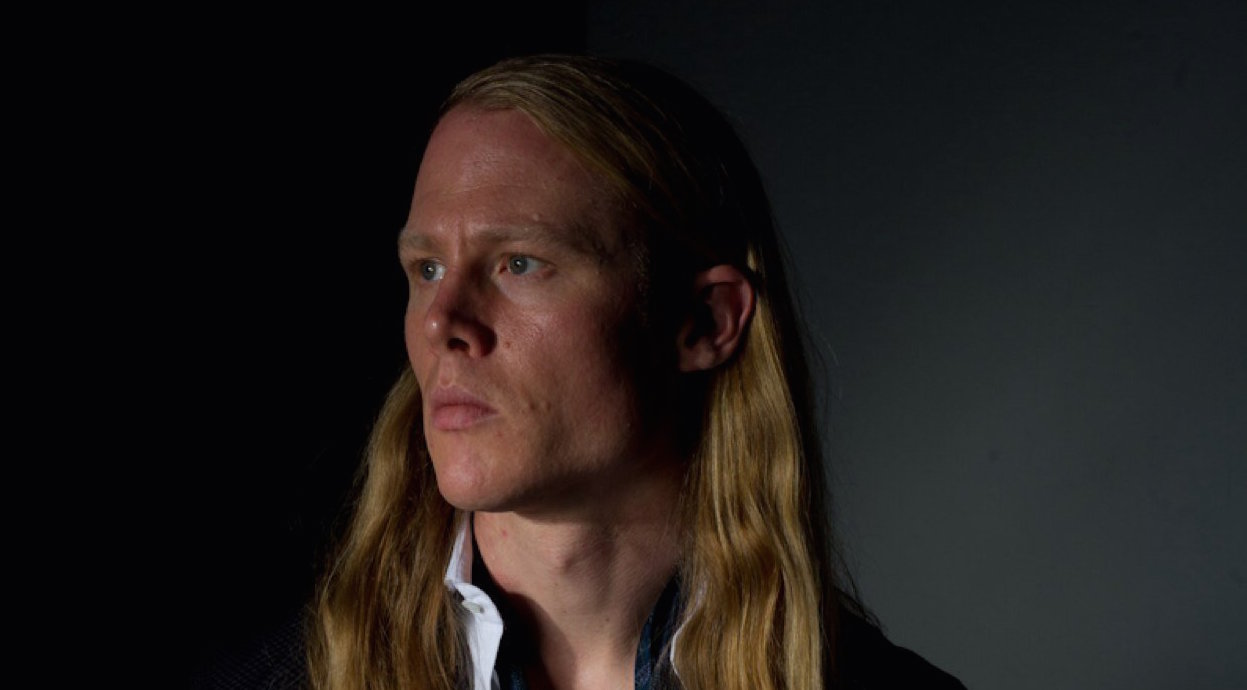
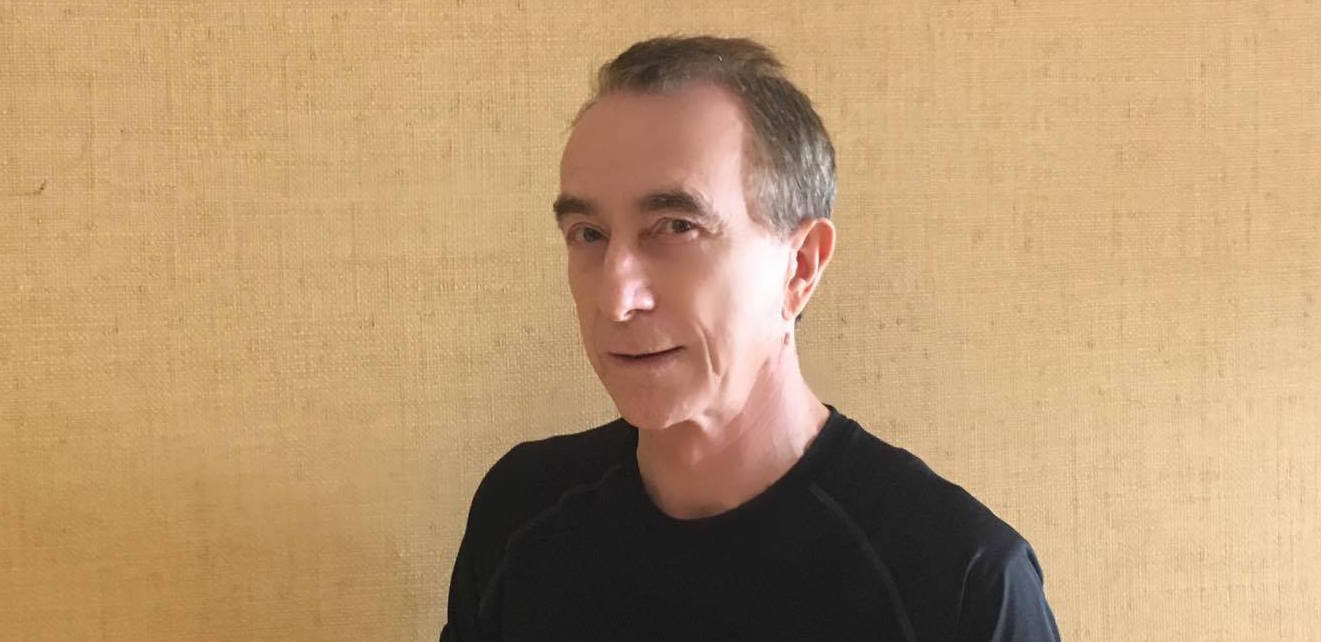
William Howell: Thoughtful, Argumentative, Intellectual Histories
William Howell’s reading list
14 books mentioned in this interview
- The Death of Democracy · Benjamin Hett
- Rivalry and Reform · Sidney Milkis and Daniel Tichenor
- Donald Trump v. The United States · Michael Schmidt
- The Gulag Archipelago · Aleksandr Solzhenitsyn
- Anxious People: A Novel · Fredrik Backman
- Congress: The Electoral Connection · David Mayhew
- Divided Government · Morris Fiorina
- Discipline and Punish · Michel Foucault
- Network Propaganda · Yochai Benkler, Robert Faris, and Hal Roberts
- Fragmented Democracy: Medicaid, Federalism, and Unequal Politics · Jamila Michener
- Good Enough for Government Work: The Public Reputation Crisis in America · Amy Lerman
- Theodore Rex · Edmund Morris
- The Perfect Storm · Sebastian Junger
- An Inventory of Losses · Judith Schalansky
Books by William Howell: Presidents, Populism, and the Crisis of Democracy
William Howell is the Sydney Stein Professor in American Politics at the University of Chicago Harris School of Public Policy, a professor in the Department of Political Science and the College, and the director of the Center for Effective Government. and a co-host of Not Another Politics Podcast. He has written widely on separation-of-powers issues and American political institutions, especially the presidency. William Howell is the author, most recently, of Presidents, Populism, and the Crisis of Democracy.
William Howell has been a fellow at the Center for Advanced Studies in the Behavioral Sciences at Stanford University. His research has been supported by the National Science Foundation, the Smith Richardson Foundation, and the Bradley Foundation. William Howell is the recipient, among other academic awards, of the William Riker award for the best book in political economy, the D.B. Hardeman Prize for the best book on Congress, the Richard Neustadt award for the best book on the American presidency, and the E.E. Schattschneider Award for the best dissertation in American Politics. He has written for a wide variety of media outlets, including the Wall Street Journal, Foreign Affairs, Foreign Policy, Washington Post, and Education Next.

Please enjoy our interview with William Howell.
How would you explain what you teach to a 7-year-old?
I’m a professor who studies, teaches, and writes about politics. But I’m not a politician. If the 7-year-old can understand that distinction, we’re well and good. My kids didn’t until they were 11.
What are you reading at the moment?
I’m all over the place. Bedside, I have copies of Rivalry and Reform by Sidney Milkis and Daniel Tichenor, Donald Trump v. The United States by Michael Schmidt, and The Death of Democracy by Benjamin Hett. And on audiobook, I’m toggling between The Gulag Archipelago by Aleksandr Solzhenitsyn and Anxious People: A Novel by Fredrik Backman.
- Rivalry and Reform by Sidney Milkis and Daniel Tichenor
 Rivalry and Reform by Sidney Milkis and Daniel Tichenor
- Donald Trump v. The United States by Michael Schmidt
 Donald Trump v. The United States by Michael Schmidt
- The Death of Democracy by Benjamin Hett
 The Death of Democracy by Benjamin Hett
- The Gulag Archipelago by Aleksandr Solzhenitsyn
 The Gulag Archipelago by Aleksandr Solzhenitsyn
- Anxious People: A Novel by Fredrik Backman
 Anxious People: A Novel by Fredrik Backman
Whilst I live in the UK, Chicago is one of my favourite cities in America, what is your favourite thing about the city of Chicago?
Like any great city, Chicago has all kinds of amenities and assets. But it’s the ethos of this place that I love the most. People here are grounded in history and geography, forward-leaning, unimpressed with pretense or title, mindful, awake.
What is the worst job you’ve ever had?
As a teenager, I worked in the mailroom at Intuit, when the company had something like 50 employees. We opened letters and sorted them into piles. Over and over and over again.
What inspired you to write your most recent book, Presidents, Populism, and the Crisis of Democracy?
I wrote this book with my friend and former dissertation advisor, Terry Moe. We both were deeply troubled about the rise of Trump and right-wing populism in American politics. We wanted to write a book that spoke to this particular moment, put it into a larger context, and offered a constructive way forward. I suppose no book satisfies the full measure of an author’s aspirations. But I sure am pleased with how this one turned out.
What books do you feel are important reading for people on your career path and why?
Some books teach subject matter that aspiring political scientists need to know. Other books imbue readers with a sense of purpose and excitement needed to carry on. But there is another kind of book that is also important for anyone hoping to enter academia: models of the kind of scholarship one hopes to produce oneself. As a graduate student more than 20 years ago, I read Congress: The Electoral Connection by David Mayhew and Divided Government by Morris Fiorina, two short, well-written, carefully crafted books that are packed with theoretical insights. I remember thinking then that they were the sort of books I wanted to someday write myself.


Is there a book that you’ve read more than once? What is it and why did you revisit it?
Discipline and Punish by Michel Foucault. I wrote my undergraduate thesis on prisons, and so I spent the better part of a year reading and re-reading Foucault’s treatment of the subject. I’m not sure I’m better for it.

Given the current political climate in the US, what books would you encourage young people to read on the subject of politics?
American politics are just a mess right now. On the media, check out Network Propaganda by Yochai Benkler, Robert Faris, and Hal Roberts. On the relationship between health care reform and democracy, see Fragmented Democracy: Medicaid, Federalism, and Unequal Politics by Jamila Michener. And on the government’s many reputation problems, see Good Enough for Government Work: The Public Reputation Crisis in America by Amy Lerman.
- Network Propaganda by Yochai Benkler, Robert Faris, and Hal Roberts
 Network Propaganda by Yochai Benkler, Robert Faris, and Hal Roberts
- Fragmented Democracy: Medicaid, Federalism, and Unequal Politics by Jamila Michener
 Fragmented Democracy: Medicaid, Federalism, and Unequal Politics by Jamila Michener
- Good Enough for Government Work: The Public Reputation Crisis in America by Amy Lerman
 Good Enough for Government Work: The Public Reputation Crisis in America by Amy Lerman
What’s your favourite genre of book?
Thoughtful, argumentative, well-written intellectual histories. I’m not sure that’s a genre. Maybe just a niche. But it’s the one I like most.
What would you say is the best biography of a president you’ve read?
I’m not sure it’s the best, but the one I enjoyed reading most was the biography of Theodore Rex by Edmund Morris. Morris is a fantastic writer; and with Teddy Roosevelt, he couldn’t have better material with which to work.

Is there an author whose writing you’re such a fan of, that you’ll read everything they release?
Robert Caro, who is just magisterial. Nearly the entirety of Caro’s work consists of massive tombs on just one man’s life and times, Lyndon Johnson. Is there anyone else like Caro? Will there ever be?
On a more macro scale, what book do you feel humanity needs right now?
I don’t think humanity needs any single book. Different people need different kinds of books. And in this moment of anxiety, separation, and longing, I’m inclined to let each person pick the books she needs most.
What is the book that you feel has had the single biggest impact on your life?
For reasons that are not at all high-brow, I’d have to go with The Perfect Storm by Sebastian Junger. For years, I was deathly afraid of flying. I no longer am. Junger’s description of helicopters and planes plucking people from the sea in the middle of category 5 storms made the occasional bump and shift of commercial flights seem perfectly manageable.

What research are you working on that you’re most excited about?
More and more, I’ve been writing with formal theorists, and I’m learning a ton. Just now, I am writing papers on executive authority, political scandals, and the role of animosity in electoral politics. Truth be told, I’m excited most about whichever paper I’m writing on a given day.
What books or subject matter do you plan on reading in the next year?
Novels. I need to read more novels. I just signed up for a subscription service at the Seminary Coop, which for my money is the best bookstore in the country. The first book they are sending out is An Inventory of Losses by Judith Schalansky. I can’t wait.

If you were to write an autobiography – what would it be called?
Getting Out of My Own Way: Minor Setbacks, Triumphs, and Discoveries.
If you’d like to learn more about William Howell, you can find him on his faculty page and on Twitter.
As an Amazon Associate we earn from qualifying purchases made through links on this page.