The Best Books for Ballet Lovers
In this list
10 books
- Tiny Pretty Things · Sona Charaipotra and Dhonielle Clayton If
- Pretty Little Liars
- Apollo’s Angels: A History of Ballet · Jennifer Homans For
- Center Center: A Funny, Sexy, Sad Almost-Memoir of a Boy in Ballet · James Whiteside Principal da
- The Ballet Companion: A Dancer’s Guide to the Technique, Traditions, and Joys of Ballet · Eliza Gaynor Minden For
- A Body of Work: Dancing to the Edge and Back · David Hallberg David Hallberg
- Ballerina: Sex, Scandal, and Suffering Behind the Symbol of Perfection · Deirdre Kelly This
- Black SwanRecommended 4 times
- Astonish Me · Maggie Shipstead This
- Winter Season: A Dancer’s Journal · Toni Bentley A
Why do so many of us love ballet? Maybe it’s the impossible grace of dancers who make the most punishing physical feats look effortless, or the way a performance can transport us to another world entirely. Ballet incorporates both the ethereal and the gritty—the fairy-tale beauty on stage and the blood, sweat, and obsession behind the curtain.
Whether you’re a seasoned dance enthusiast or newly fascinated by this demanding art form, the books listed below are guaranteed to deepen your appreciation of ballet’s magic. From memoirs that peel back the red velvet curtain to reveal what it really takes to become a prima ballerina, to lush photography books that capture ballet’s visual beauty, and novels that use dance as a lens to explore ambition, identity, and sacrifice—this collection celebrates ballet in all its complexity.
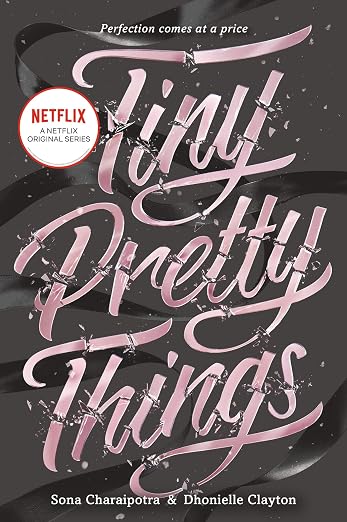
If you loved the psychological intensity of the movie Black Swan, this YA thriller will keep you turning pages late into the night. Set at an elite Manhattan ballet academy, the story begins when a star dancer falls from a four-story building—and someone knows it wasn’t an accident. Through three perspectives, we follow dancers competing for the top spot, each harboring secrets that could destroy their careers and their lives.
What makes this book special is how vividly it captures the cutthroat world of pre-professional ballet training. The authors don’t shy away from the toxic aspects of ballet culture—eating disorders, racial politics, abusive instructors—while still conveying the genuine passion these young dancers have for their art. It’s Pretty Little Liars meets the ballet world, with enough authenticity (co-author Clayton taught English at a ballet academy) to ring true. The book spawned a Netflix series, but the novel has a darker, more nuanced edge that makes it worth reading on its own.
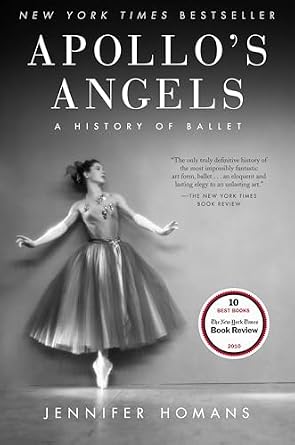
For readers who want to understand how ballet evolved from French court entertainment to the global phenomenon it is today, Jennifer Homans offers the definitive history. A former professional dancer turned cultural historian, Homans traces ballet’s journey across centuries and continents, from Louis XIV’s court to Imperial Russia to Balanchine’s New York.
What sets this apart from other dance histories is Homans’s elegant prose and her ability to connect ballet’s evolution to broader cultural and political shifts. She writes about dance with both scholarly rigor and genuine passion, making complex choreographic innovations accessible to general readers. You’ll come away understanding not just what ballet is, but why it matters—how it reflects and shapes the societies that create it. At nearly 650 pages, it’s comprehensive without being dry, and it’s filled with insights that will change how you watch ballet.

Principal dancer James Whiteside pulls back the curtain on life at American Ballet Theatre with humor, heart, and refreshing candor. Part memoir, part behind-the-scenes exposé, this book follows Whiteside from his unconventional path to professional dance through his years performing the most iconic roles in ballet’s repertoire.
Whiteside’s voice is what makes this memoir sing—he’s witty, self-deprecating, and utterly honest about both the glamorous and unglamorous aspects of being a principal dancer. He writes about performance anxiety, the physical toll of dancing through injuries, navigating the ballet world as a gay man, and the surreal experience of performing for presidents and celebrities. Unlike some ballet memoirs that maintain a polite distance, Whiteside lets you into his actual thoughts, including his fears and insecurities. It’s like having coffee with your funniest, most talented friend who just happens to fly through the air for a living.

For those who want a deeper technical understanding of ballet, this beautifully illustrated guide is invaluable. Eliza Gaynor Minden, founder of the innovative pointe shoe company, has created something between a textbook and a love letter to ballet. The book covers everything from basic positions and terminology to the history of famous ballets, proper nutrition for dancers, and how to care for your body.
What makes this special is its accessibility—you don’t need to be a dancer to appreciate it. The photography is stunning, clearly demonstrating positions and movements, while the writing is warm and encouraging rather than intimidating. It’s the kind of book that will help you watch ballet with more educated eyes, understanding what makes a particular arabesque exquisite or recognizing the difficulty of what you’re seeing on stage. Many readers keep it as a coffee-table book, returning to it again and again to deepen their appreciation of the art form.

David Hallberg made history as the first American to become a principal dancer at both American Ballet Theatre and the Bolshoi Ballet—a nearly impossible feat that speaks to his extraordinary talent. In this memoir, he writes with searing honesty about the price of that success: the perfectionism that drove him to dance through injuries until his body broke down completely, forcing him into a devastating hiatus.
The book’s power lies in Hallberg’s willingness to explore the darker aspects of his journey—the depression, the body dysmorphia, the isolation he felt as a gay man in Russia, and the agonizing process of rebuilding himself after career-threatening injuries. He writes beautifully about what it feels like to dance at the highest level, but he also doesn’t romanticize the sacrifices required. For anyone fascinated by the psychology of elite performers, this is essential reading. It’s ultimately a story about resilience and learning that perfection isn’t the same as excellence.
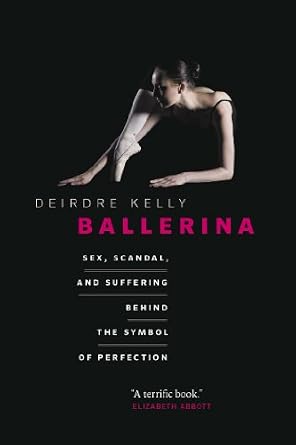
This eye-opening cultural history examines how the image of the ballerina has been shaped by (and has shaped) ideas about femininity, beauty, and power. Journalist Deirdre Kelly traces the ballerina’s evolution from the 19th century to today, exploring how these artists have been simultaneously worshipped and exploited, celebrated for their artistry while being reduced to romantic fantasies.
Kelly doesn’t pull punches when discussing the problematic aspects of ballet culture—the emphasis on extreme thinness, the sexual politics, the way young dancers’ bodies and lives are controlled. But she also celebrates the strength and artistry of the women who’ve thrived in this demanding world, from Marie Taglioni to Misty Copeland. The book challenges readers to think critically about what we’re really watching when we watch ballet, and why the ballerina remains such a potent cultural symbol. It’s thought-provoking without being preachy, combining rigorous research with engaging storytelling.

While primarily a fitness book, Ballet Beautiful deserves a place on this list for its gorgeous photography and for giving readers a tangible way to connect with ballet. Mary Helen Bowers, who trained Natalie Portman for Black Swan, shares the workout method that helped the actress achieve that lean, powerful dancer’s body.
The book is filled with elegant photographs demonstrating exercises inspired by ballet movements—graceful but seriously challenging workouts that engage your entire body. But it’s more than just an exercise manual; Bowers writes about ballet’s principles of poise, posture, and mindful movement in a way that helps readers understand what dancers do and why. Even if you never attempt the workouts, the book offers insight into how dancers train and maintain their extraordinary physicality. It’s a beautiful object in its own right, with photography that captures the elegance of ballet-inspired movement.

This luminous novel follows Joan, a member of a ballet company in 1970s New York, whose life is forever changed when she helps a famous Russian dancer defect to the West. The story moves between Joan’s performing years and her later life as a ballet teacher in California, exploring how a few pivotal moments can echo through decades.
Shipstead writes gorgeously about dance, capturing both its transcendent beauty and the frustration of being a talented dancer who isn’t quite exceptional enough for stardom. The novel grapples with questions many ballet enthusiasts will recognize: What happens when your body can’t match your passion? How do you build a life after dance? The characters feel achingly real—flawed, complicated people making impossible choices. It’s ultimately about ambition, compromise, and the different forms that devotion to art can take. Shipstead’s prose is elegant and precise, much like ballet itself, and she clearly understands the world she’s writing about.

A classic of dance literature, this intimate diary from the 1982-83 season gives readers unprecedented access to a dancer’s inner life. Bentley, a member of New York City Ballet, recorded her daily experiences with raw honesty—the injuries, the exhaustion, the moments of transcendence on stage, and the complicated dynamics within the company.
Published in 1982, the book covers the 1980-81 season and remains remarkably relevant because Bentley captures universal aspects of a dancer’s experience: the obsessive relationship with one’s body, the hierarchy of the company, the fleeting nature of a performance that’s over almost as soon as it begins. She writes about George Balanchine (who ran NYCB at the time) with reverence but also clear-eyed observation. The journal format makes you feel like you’re living through that season alongside her, experiencing the highs and lows in real time. For anyone curious about the reality behind the glamor, this is essential reading.
These books offer different doorways into ballet’s captivating world—some celebrate its artistry, others interrogate its culture, and some do both simultaneously. Whether you’re drawn to psychological thrillers set in dance academies, stunning photography that freezes movement in time, or memoirs that reveal what it really takes to dedicate your life to this art form, there’s something here to deepen your fascination. So pour yourself a cup of tea, settle into your favorite reading spot, and prepare to be transported into a world where beauty, obsession, and artistry intertwine. Who knows? You might even find yourself watching ballet with new eyes—or finally buying tickets to that performance you’ve been considering.
As an Amazon Associate we earn from qualifying purchases made through links on this page.