Maya Ajmera: Moments of Obligation
Maya Ajmera’s reading list
27 books mentioned in this interview
- The Nickel Boys · Colson Whitehead
- Tell me How to Be
- A Burning · Megha Majumdar
- Range: Why Generalists Triumph in a Specialized World · David Epstein
- A Wrinkle in Time · Madeleine L’Engle. What
- Oh, the Places You’ll Go · Dr. Seuss. This
- Common Fire, Leading Lives of Commitment in a Complex World
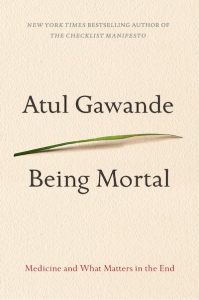
- Being MortalRecommended 4 times
- Complications
- John AdamsRecommended 4 times
- EinsteinRecommended 4 times
- A Promised Land · Barack Obama. What’s
- Becoming · Michelle Obama and Americanah
- Americanah · Chimamanda Ngozi Adichie. So
- The Underground RailroadRecommended 3 times
- The Bluest Eye · Toni MorrisonRecommended 8 times
- Their Eyes Were Watching God · Zora Neale HurstonRecommended 3 times
- The Woman Warrior · Maxine Hong Kingston
- The Bell Jar · Sylvia PlathRecommended 10 times
- Bronx Primitive · Kate Simon
- Memories of a Catholic Girlhood · Mary McCarthy
- The Color Purple · Alice Walker and Woman
- Woman at Point Zero · Nawal El Saadawi. As
- Things We Lost to the Water
- Monkey Bridge · Lan Cao
- The Book of Salt · Monique Truong and The Sympathizer
- The Sympathizer · Viet Thanh Nguyen. If
Books by Maya Ajmera: Back to School, Every Breath We Take, Children from Australia to Zimbabwe, To Be a Kid
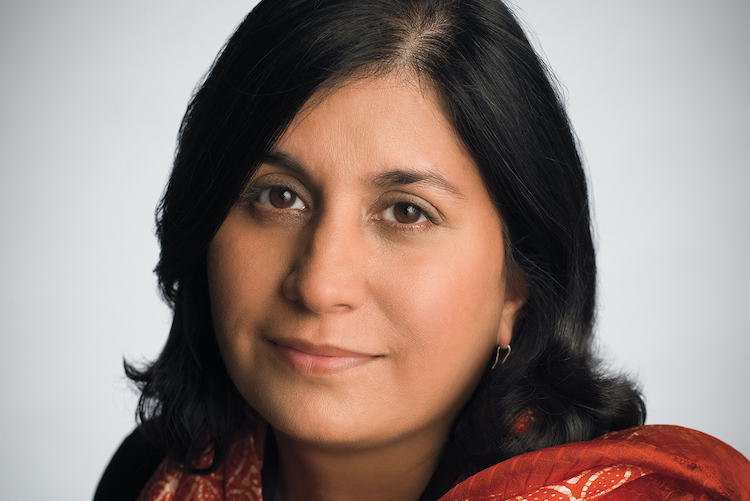
Maya Ajmera is the President and CEO of Society for Science and Publisher of its award-winning magazine, Science News. Maya served as the inaugural Social Entrepreneur in Residence for Duke University and Visiting Professor for the Practice of Public Policy at The Sanford School of Public Policy at Duke. Maya Ajmera founded The Global Fund for Children (GFC), a nonprofit organization that invests in innovative, community-based organizations working with some of the world’s most vulnerable children and youth.
Maya is also an award-winning children’s book author of more than 20 titles, including Back to School, Every Breath We Take, Children from Australia to Zimbabwe and To Be a Kid, with more than 5 million readers worldwide. Maya Ajmera is the recipient of the 2020 National Science Board Public Service Award, recognized for her tremendous contribution to increasing the public’s understanding of science and engineering.
Please enjoy our interview with Maya Ajmera.


Maya, how would you describe what you do for a living to a seven-year-old?
I work with an incredible team at the Society for Science to ensure that every young person can become a scientist or engineer if that is what they want to become. I work hard to make sure that young people realize their scientific and engineering dreams.
What are you reading at the moment?
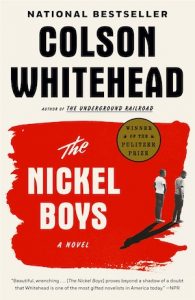
Right now, I’m reading Neel Patel’s Tell me How to Be. Also, I just finished reading a few books — A Burning by Megha Majumdar, Range: Why Generalists Triumph in a Specialized World by David Epstein, The Nickel Boys by Colson Whitehead and Arc of the Comet by Greg Fields. I tend to read a few books at a time.


**When you think about your childhood, what book comes to mind?
A Wrinkle in Time by Madeleine L’Engle.

What did you want to be when you were growing up?
I wanted to be a paediatrician caring for children and young people. I also wanted to be a scientist, doing research on pediatric diseases.
Tell us a little bit more about your mission with the Society for Science.
Our mission at the Society for Science is to inform, inspire and educate everyone about the beauty and power of science. We are best known for our award-winning magazine, Science News, our world-class science research competitions and our suite of outreach and equity programs. Our work is dedicated to building a scientifically literate public as well as making sure that every young person in the world can become a scientist or engineer if they so choose.
If you could wrap up a single book and gift it to yourself as you turned 18, which book would it be and why?
Oh, the Places You’ll Go by Dr. Seuss. This book is a wonderful celebration of the value that success comes from within, no matter what challenges you face — written in the delightful, lyrical style of Dr. Seuss.

What book has had the biggest impact on your career so far and how did it impact you?
When I founded the Global Fund for Children, there is a book that I received: Common Fire, Leading Lives of Commitment in a Complex World. It is about the drive — the fire in the belly — that pushes individuals, activists, social change leaders and social entrepreneurs to lead a life of commitment to making the world a better place. I have read this book many times during different points in my career. Every time I pick it up, I find a new kernel of wisdom that is very important and useful in my work.

Do you have any books that you strongly associate with someone important in your life?
Yes, I associate Atul Gawande’s series of books, including Being Mortal and Complications, with my brother who is an infectious disease doctor.

You are a celebrated children’s author. What importance do you think books play in a child’s life?
Books give children the ability to be in somebody else’s shoes and allow them to use their imagination to travel to faraway places. It is a place for them to discover themselves.
Do you prefer fiction or nonfiction?
I love both. I love biographies and autobiographies, and I love reading fiction books by immigrant writers. I collect books by South Asian writers. On my bookshelf, you will find books by Kiran Desai, Bharati Mukherjee, Jhumpa Lahiri, Pankaj Mishra, Rohinton Mistry, Vikram Chandra, Chitra Banerjee Divakaruni, Manil Suri, Abraham Verghese, Salman Rushdie, Monica Ali, Anita Desai and many more. I have enjoyed reading the autobiographies of Michelle Obama and Hillary Clinton, and biographies such as David McCullough’s John Adams and Walter Isaacson’s Einstein. My next book to read is A Promised Land by Barack Obama.


What’s the best book you’ve read in the last six months? Is there anything that stands out to you?
I really liked Becoming by Michelle Obama and Americanah by Chimamanda Ngozi Adichie. So much has happened this past year. The Black Lives Matter movement inspired me to read many more books by Black writers. Colson Whitehead is one of my favorites — particularly his books The Underground Railroad and The Nickel Boys.


You must be very proud of the brilliant work you’ve accomplished with the Global Fund for Children. What inspired you to launch the organization or found the organization?
During my undergraduate studies, I had the life-changing opportunity, through a Rotary Graduate Fellowship, to travel to Southeast Asia. One day, on a train platform in Bhubaneswar, an ancient city in India’s eastern state of Odisha, I was struck by a small makeshift school that had been set up to serve the children who lived and worked around the train platform. When I asked the teacher how much it cost to operate the school, I was surprised to learn that the school could pay two teachers to instruct 50 children for only $500 per year. That was the impetus for me to ask myself ‘How do I help?’ and ‘How do I get small amounts of capital into the hands of innovative grassroots organizations like this one?’ With these questions in mind, I founded the Global Fund for Children, with the goal of supporting innovative community-based organizations serving the most vulnerable young people around the world.
What is the book that you feel has had the single biggest impact on your life? What impact did it have?
My freshman year English class at Bryn Mawr College — Perspectives on Growing Up Female — gave me the opportunity to read many exceptional books. Some of my favorite titles included The Bluest Eye by Toni Morrison, Their Eyes Were Watching God by Zora Neale Hurston, The Woman Warrior by Maxine Hong Kingston, The Bell Jar by Sylvia Plath, Bronx Primitive by Kate Simon, Memories of a Catholic Girlhood by Mary McCarthy, The Color Purple by Alice Walker and Woman at Point Zero by Nawal El Saadawi. As a South Asian American girl brought up in eastern North Carolina, these books played a strong role in giving me an identity, voice and agency. It is these very books, from my freshman year at Bryn Mawr, that remain on my bookshelf today.
- The Bluest Eye
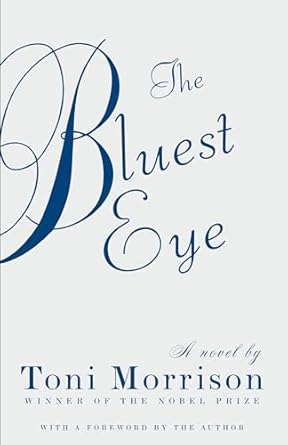 The Bluest Eye
- Their Eyes Were Watching God
 Their Eyes Were Watching God
- The Woman Warrior
 The Woman Warrior
- The Bell Jar
 The Bell Jar
- Bronx Primitive
 Bronx Primitive
- Memories of a Catholic Girlhood
 Memories of a Catholic Girlhood
- The Color Purple
 The Color Purple
- Woman at Point Zero
 Woman at Point Zero
What books or subject matter do you plan on reading in the next year?
I was thrilled to read Things We Lost to the Water by my friend Eric Nguyen. I am very intrigued to read more books by writers of the Vietnamese diaspora such as Monkey Bridge by Lan Cao, The Book of Salt by Monique Truong and The Sympathizer by Viet Thanh Nguyen.


If you were to write an autobiography, what would it be called?
Moments of Obligation.
If you enjoyed this interview, you can learn more about Maya Ajmera and her incredible work on her website and on Twitter.
As an Amazon Associate we earn from qualifying purchases made through links on this page.