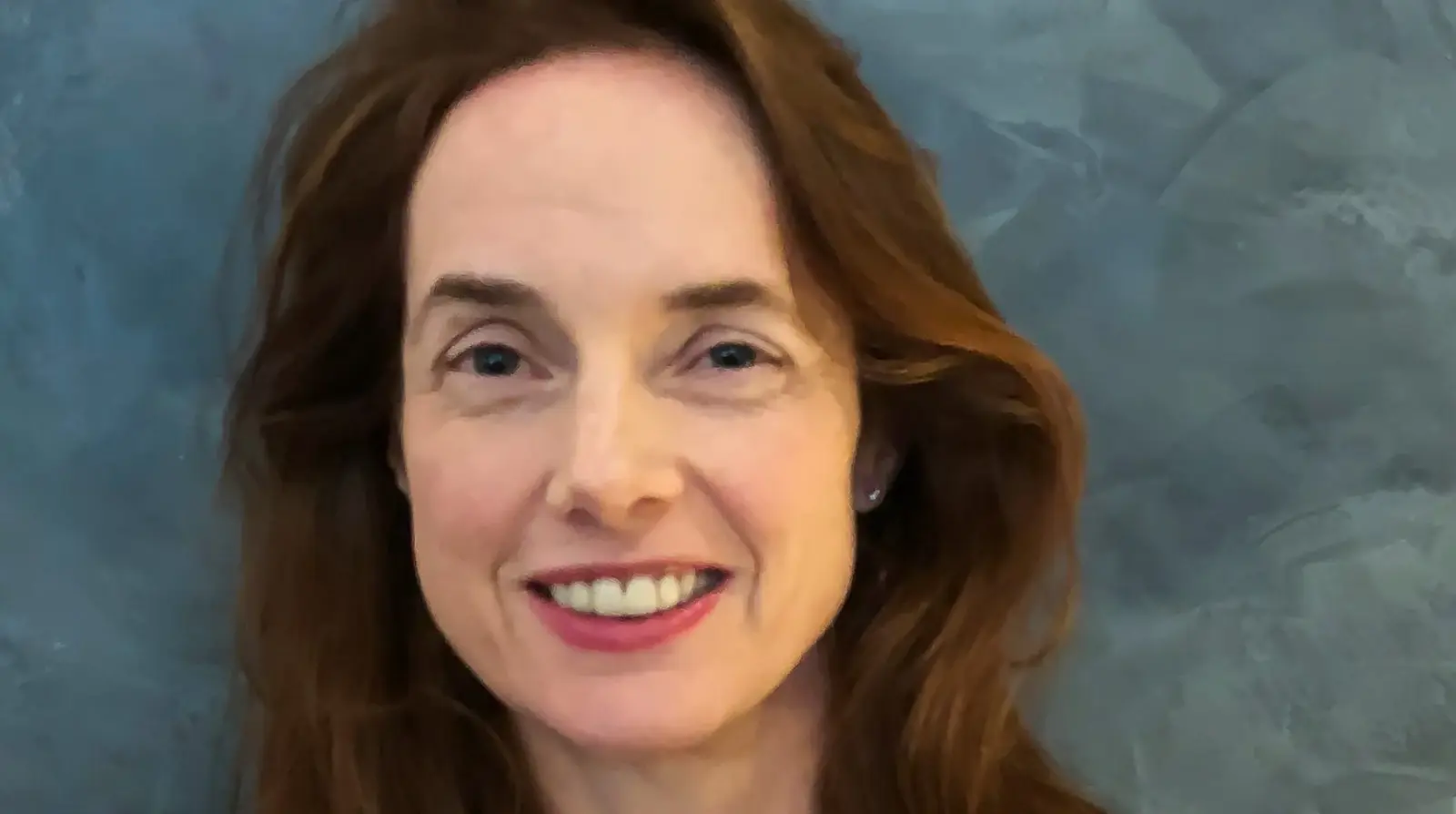
Margaret Morris: Reading Broadly
Margaret Morris’ reading list
13 books mentioned in this interview
- Mind Fixers · Anne Harrington
- Anatomy of an Epidemic · Robert Whittaker
- The Selling of DSM · Stuart Kirk
- Trick Mirror · Jill Tolentino
- How Emotions are Made · Lisa Feldman Barret
- Thermal Delight in Architecture · Lisa Heschong
- Conversations with Friends · Sally Rooney
- The Stories We Live By · Dan McAdams
- Evocative Objects · Sherry Turkle
- Born to be Good · Dacher Keltner
- The Prison Letters of Nelson Mandela
- Loneliness · John Cacioppo
- Machines Like Me · Ian McEwan
Books by Margaret Morris: Left to Our Own Devices: Outsmarting Smart Technology to Reclaim Our Relationships, Health and Focus
Margaret Morris is a clinical psychologist, researcher, and inventor of technologies to support health, emotional wellbeing and interpersonal connectedness. She was a senior research scientist at Intel and has conducted user experience research at Amazon. Margaret Morris is currently an affiliate faculty member at the University of Washington. She offers her consultancy to technology companies and coaches individuals, couples and families as they navigate relationships and technology. The latest book from Margaret Morris is entitled Left to Our Own Devices: Outsmarting Smart Technology to Reclaim Our Relationships, Health and Focus.

Please enjoy our interview with Margaret Morris…
How do you describe your occupation?
As a researcher and a coach, I explore how technology can be used to help relationships and wellbeing. In my research, I explore new directions for technology. As a coach, I help people reflect on and experiment with using devices, social media, etc. more intentionally and in ways that align with their priorities.
What is something about you that people might find surprising?
As a clinical psychologist who has spent a lot of time working on mental health apps, it might seem surprising that when I need a mood boost or perspective shift, I bypass the mindfulness apps on my phone and search out funny people on Twitter.
What are you reading at the moment and what made you want to read it?
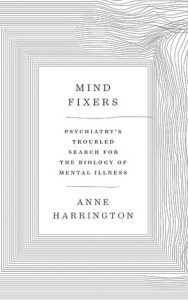
Mind Fixers by Anne Harrington, which chronicles attempts to medicalize psychological distress. It pairs well with Anatomy of an Epidemic by Robert Whittaker and a much older book, The Selling of DSM by Stuart Kirk. These historical accounts make it clear how far we are from understanding the variations of human suffering. The data we generate through the technologies we use every day will hopefully contribute to the development of more nuanced taxonomies.


What was your favourite book as a child and why?
I didn’t become that much of a reader until later on. When I entered college, I expected to major in Psychology but it was in my literature classes that we really were we sank into discussions of identity, emotional conflict, and relationships.
When did you fall in love with psychology?
I gravitated to the idea of helping people by listening and talking in my early teens. It was how my friends and I connected with each other and got through painful experiences. That bonding shaped how I thought of myself and what I could offer other people.
What was the last book you purchased, and why did you buy it?
Trick Mirror by Jill Tolentino. I was drawn in by an excerpt of chapter 3 “Always be Optimizing” in the New Yorker.

What advice would you give to a young aspiring psychologist looking to begin their career?
Read broadly. Find collaborators with different skills from your own.
What book have you found most inspiring, what effect did it have on you?
I liked the message in How Emotions are Made by Lisa Feldman Barret that we are the architects of our own emotions. It lessens the power of cameras, microphones and other sensors to tell us (or others) how we are feeling. I think there’s more opportunity for technology to ask people to describe their experiences and help them enrich their emotional vocabularies.

What’s the most obscure book you own; how did you discover it?
Thermal Delight in Architecture by Lisa Heschong, which describes the symbolic value of fire. A close friend pointed me to it when I was in graduate school. I was very interested in our relationships with physical spaces. For my dissertation, I did experiments how sunlight and windows affect feelings of interpersonal warmth; that is, how connected we feel to others.

What’s the best book you’ve read in the last 6 months?

What is something you are proud of?
I am pleased that research I did at Intel on a “Mood Phone” inspired other work on how phones and wearable sensors could help people manage distress in the throws of daily life. I don’t think of these interventions as a surrogate for therapy, but as a potentially helpful adjunct and sometimes a catalyst for human conversation.
If you were trying to impress a visitor, which books that you own would you leave on the coffee table?
The Stories We Live By by Dan McAdams. It immediately prompts people to think about the themes in their own life stories and to talk about the figures and pivotal experiences that shape how they think about themselves. I think a visitor would remember the conversation.
I’d also put out Evocative Objects by Sherry Turkle. The essays spark conversation about objects that have personal significance. It elevates conversations about technologies and how they can be transformative.


If an alien landed in your garden; which books would you gift them to showcase humanity in the best possible way?


In the world of psychology, what current research studies are you most excited about?
I am interested in research from Sonia Livingstone and her colleagues at the London School of Economics that illustrates how individuals and families constructively incorporate technology into their lives. I expect parents will get a lot more benefit from this kind of nuanced guidance than one-size-fits-all advice focused on set screen time limits and other types of avoidance. Researchers Andrew Przybylski and Amy Orben at the Oxford Internet Institute have scrutinized claims that screens and social media impair mental health, and partly as a result of this work, there’s a growing appreciation that technology use is highly varied, with some of it problematic and some of it valuable for psychological development and learning. My perspective is that we need to help kids and adults tailor technology to their priorities.
Are there any books you haven’t mentioned that you feel would make your reading list?
Loneliness by John Cacioppo. I think the findings about loneliness and ideas for helping people find their way out of loneliness need to be grappled with as we think about health interventions.

Which book on your shelf are you most excited about reading next and why?
I am looking up at Machines Like Me by Ian McEwan. I like the idea that AI could hold us to higher ethical standards.

If you’d like to learn more about Margaret Morris, you can find her on her website.
As an Amazon Associate we earn from qualifying purchases made through links on this page.
You might also like
Stathis Psillos: A Fixation with Time
Interview · 3 January 2020
Craig Hassed: Bringing together mindfulness and critical thinking
Interview · 31 October 2025
Dr Delia McCabe: Optimising brain health
Interview · 30 March 2025
Dr Toni Lindsay: Helping Others Through Difficult Times
Interview · 16 March 2025