Karen Eber: Stories That Bond Us
Karen Eber’s reading list
11 books mentioned in this interview
- A Promised Land · Barack Obam
- MacCullough’s Women · Kathleen Ferrari
- No Hard Feelings: The Secret Power of Embracing Emotions at Work · Liz Fosslien and Mollie West Duffy
- The 4 Stages of Psychological Safety · Timothy R. Clark
- Quiet · Susan CainRecommended 5 times
- Unleashed · Frances Frei and Anne Morriss
- Talk Like TED · Carmine Gallo
- The Culture Code · Daniel Coyle
- Leadership is Language · L. David Marque
- The Memo · Minda Harts
- Becoming · Michelle ObamaRecommended 6 times
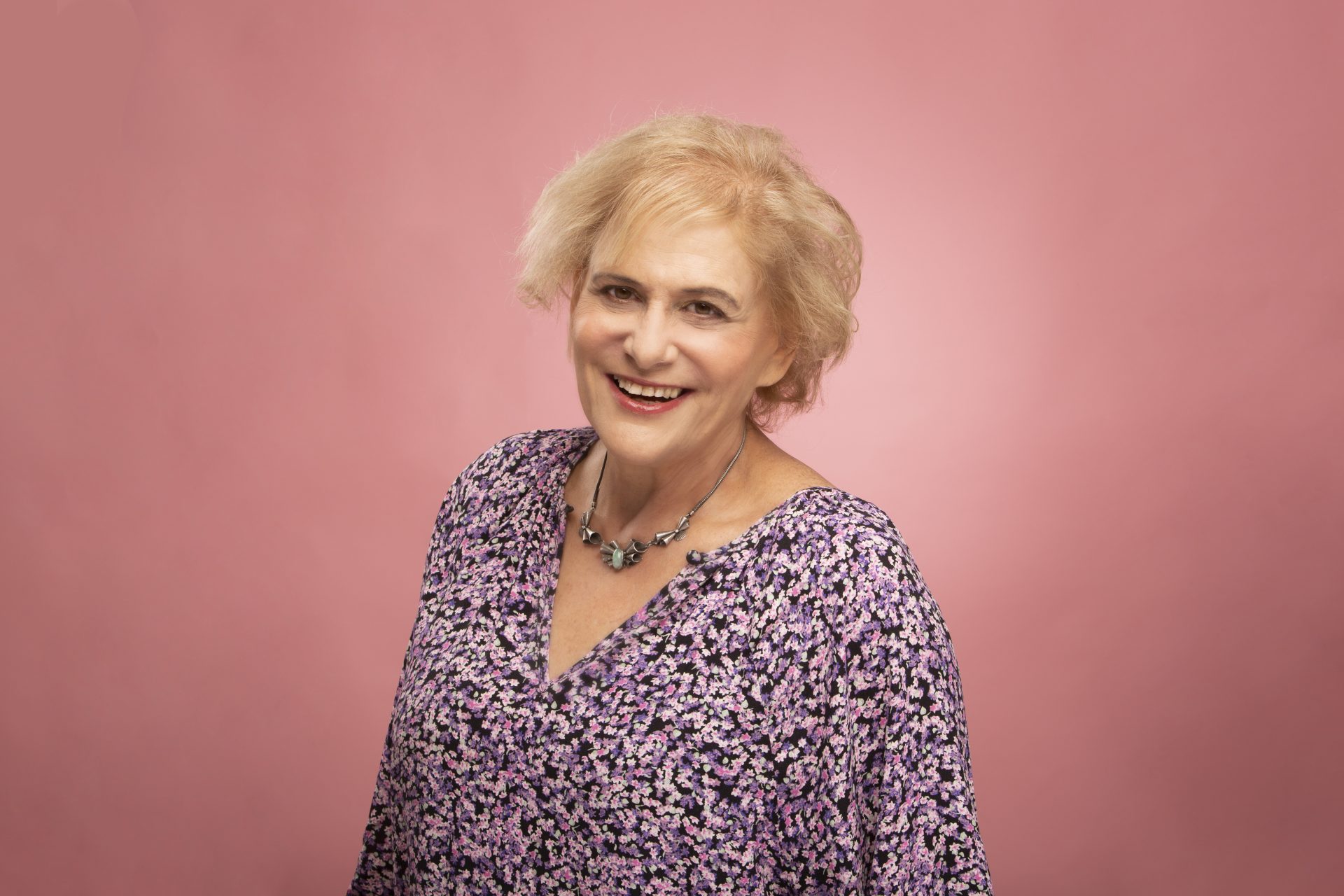
Karen Eber is an international consultant, keynote and TED speaker. Karen Eber is the CEO and Chief Storyteller of Eber Leadership Group, a talent development boutique that specializes in building healthy organizational cultures, empathic leaders, curious teams and storytelling muscles to shape culture.
Karen Eber works with Fortune 500 companies such as General Electric, ADP, Kraft Heinz, Kate Spade, and guest lectures in Universities like Emory and Purdue. Karen has 20+ years of experience and has been a Head of Culture and Chief Learning Officer at General Electric and a Head of Leadership Development at Deloitte. Karen Eber has developed 90,000 employees in 150 countries and is a four-time American Training and Development winner.
Please enjoy our interview with Karen Eber…
How would you describe what you do for a living to a 7-year-old?
I asked my niece once what she thought I did for work. She said “travel!” She isn’t wrong (pre-COVID). I told her that I help people become great leaders so they can create interesting and fun places to work. And I give talks on big audiences on leadership and storytelling.
What are you reading at the moment?
I typically have 2 or 3 books in process at once. I love to mix fiction, nonfiction and biography. Nonfiction books help me learn and grow my thinking. Biographies are interesting studies of other people. And fiction allows the daydreaming. Currently, I am reading A Promised Land by Barack Obama. My fiction book is a reread of a book a friend wrote – it the first in a series: MacCullough’s Women by Kathleen Ferrari. My non-fiction book is No Hard Feelings: The Secret Power of Embracing Emotions at Work by Liz Fosslien and Mollie West Duffy.
- A Promised Land by Barack Obam
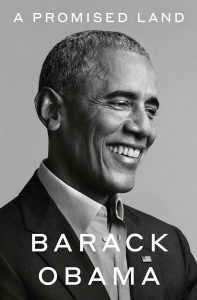 A Promised Land by Barack Obam
- MacCullough’s Women by Kathleen Ferrari
 MacCullough’s Women by Kathleen Ferrari
- No Hard Feelings: The Secret Power of Embracing Emotions at Work by Liz Fosslien and Mollie West Duffy
 No Hard Feelings: The Secret Power of Embracing Emotions at Work by Liz Fosslien and Mollie West Duffy
When you think about your childhood, what book comes to mind?
Two things come to mind. They aren’t a single book, but more stories around books. My mom would take me to the library each week. It was our thing. She taught me to read before I started school and I would gobble up books. Pretty soon, I had read everything in the children’s section and had to move to the chapter books like Judy Bloom and Beverly Cleary. I loved reading so much I walked into a wall at home because I was reading at the time.
What did you want to be when you were growing up?
I recently wrote an article on this. I wanted to be a “day in the life” reporter. Where I would travel and do a job for a day – like drive the Oscar Mayer Wiener mobile. Or drive a Zamboni. Or work in the Crayola factory. A day was the right among. Long enough to understand and begin to learn how to do it, but short enough to not get bored.
I love how you use storytelling to educate and inspire leaders. Why do you think stories are so important?
There is the neuroscience behind the stories and the experience of stories. As you begin to understand what happens in the brain when you hear stories, you will realize you are just wasting capacity for understanding by focusing on data or rambling. Both things so many are guilty of in business settings. The experience of stories are the sweetness of life. How often have you sat around with friends laughing so hard recalling stories? Stories bond us. They literally create more trust between people and are memorable. I don’t think every occasion requires a story, but I think we should be leaning on them far more. Throughout history, the leaders were the storytellers. Because their ability to tell the stories helped paint a vision for the future, calmed fears and made people choose to follow them. The same thing happens today.
If you could wrap up a single book and gift it to yourself as you turned 18 – which book would it be and why?
It would be a handmade book that has snippets of different books and poems that have inspired me over the years. There isn’t one book that defines me. But there are many books that have things I connect with and love.
You have a background in Psychology, what are your 3 favourite books on that subject?
Right now: The 4 Stages of Psychological Safety by Timothy R. Clark, Quiet by Susan Cain and Unleashed by Frances Frei and Anne Morriss. There are so many, but most often I look to the ones that focus on trust. That often is the place of the biggest challenge in working relationships…navigating the layers of trust.


Which book has had the biggest impact on your career so far? How did it impact it?
Talk Like TED by Carmine Gallo. Carmine has a nice approach to his writing. He expands your thinking and gives practical ideas, something I try hard to make sure I am doing. I used to hate public speaking. Then I had the chance to learn the skills behind it from Stacey Hanke Inc. Once I realized I could build the muscles, everything started to change. Carmine Gallo studied TED talks for years and wrote the book on it before Chris Anderson even did. I read it after I had made headway in my public speaking and was really enjoying it. While I’ve always used storytelling, I became much more intentional about it after reading that book. It has led me to come up with my signature process for using stories to connect and communicate and helped me as I worked on tightening my TED talk. Everyone thinks a TED talk is about an idea. It is, and the way you get there is by editing and cutting until every word earns its place.

Do you have any books that you strongly associate with someone important in your life?
Books are like fragrances to me. When someone gifts me a book, that is imprinted on me and I always associated that book with them. There are many. I have received many books! From children’s books to fiction to non-fiction. It makes my bookshelf look like a collage of memories.
Do you think reading is an important contributor to being a good leader in business?
Absolutely. Whether it is reading or listening to a book. Or listening to podcasts about books. Or reading articles. It’s such a great way to travel to other places and expand thinking.
Do you prefer fiction or non-fiction?
One of each! I once set a goal to read 52 books in a year. I did it by checking out a fiction, non-fiction and biography book from the library.
You support businesses with their culture, what’s your favourite book on culture within a business?
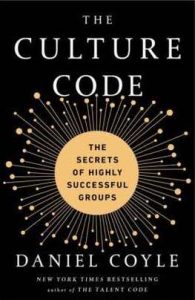
I don’t have one. There are snippets from a variety that I like. There are parts of The Culture Code by Daniel Coyle that I like. There are parts of Leadership is Language by L. David Marquet that I like. I like The Memo by Minda Harts for teaching us how to make sure we are confronting racism at work and making a seat at the table for women of color. There isn’t just one book because culture is a broad topic. People look for the quick fix on culture but it is a complicated layered, phased process. There are many books that have great things in them!


What’s the best book you’ve read in the last 6 months?
Becoming by Michelle Obama. I am so impressed at her vulnerability and how she really went there. That book brings you in and gives a better understanding of her life.

You’ve worked with so many companies and helped them – what is your stand out achievement in your career so far?
There are many moments I am proud of. The obvious one is my TED talk. And there are many other moments. I have been able to help c-suite teams have breakthroughs in their interactions that turn the business around. I’ve helped leaders learn some major blindsides that were holding them back and help them make the shifts. I’ve connected to people globally with storytelling and received many notes and photos back showing where my writing had an impact on individuals. I have pioneered great projects like codesigning one of the first ratings-free performance management approaches. My best days at work are when I am able to work in my strengths and get to see the light bulbs go on. This is why I do keynote speaking. It helps me build ideas with people at scale, and watch as their lightbulbs turn on.
What is the book that you feel has had the single biggest impact on your life? What impact did it have?
I don’t have a single book. But my mom teaching me to read and instilling a passion for reading has been central to my life.
What books or subject matter do you plan on reading in the next year?
I am in the process of writing a book on storytelling. We live in a story world. It is the best way for us to take in information, especially at work. Storytelling is a skill that can be learned. I love teaching people how to use storytelling as leaders to build trust and as a tool to shape culture. My next year involves a lot of reading research and drafts.
If you were to write an autobiography – what would it be called?
Don’t Eat the Crayons.
If you’d like to learn more about Karen Eber – head to their website, Twitter or TED talk.
As an Amazon Associate we earn from qualifying purchases made through links on this page.