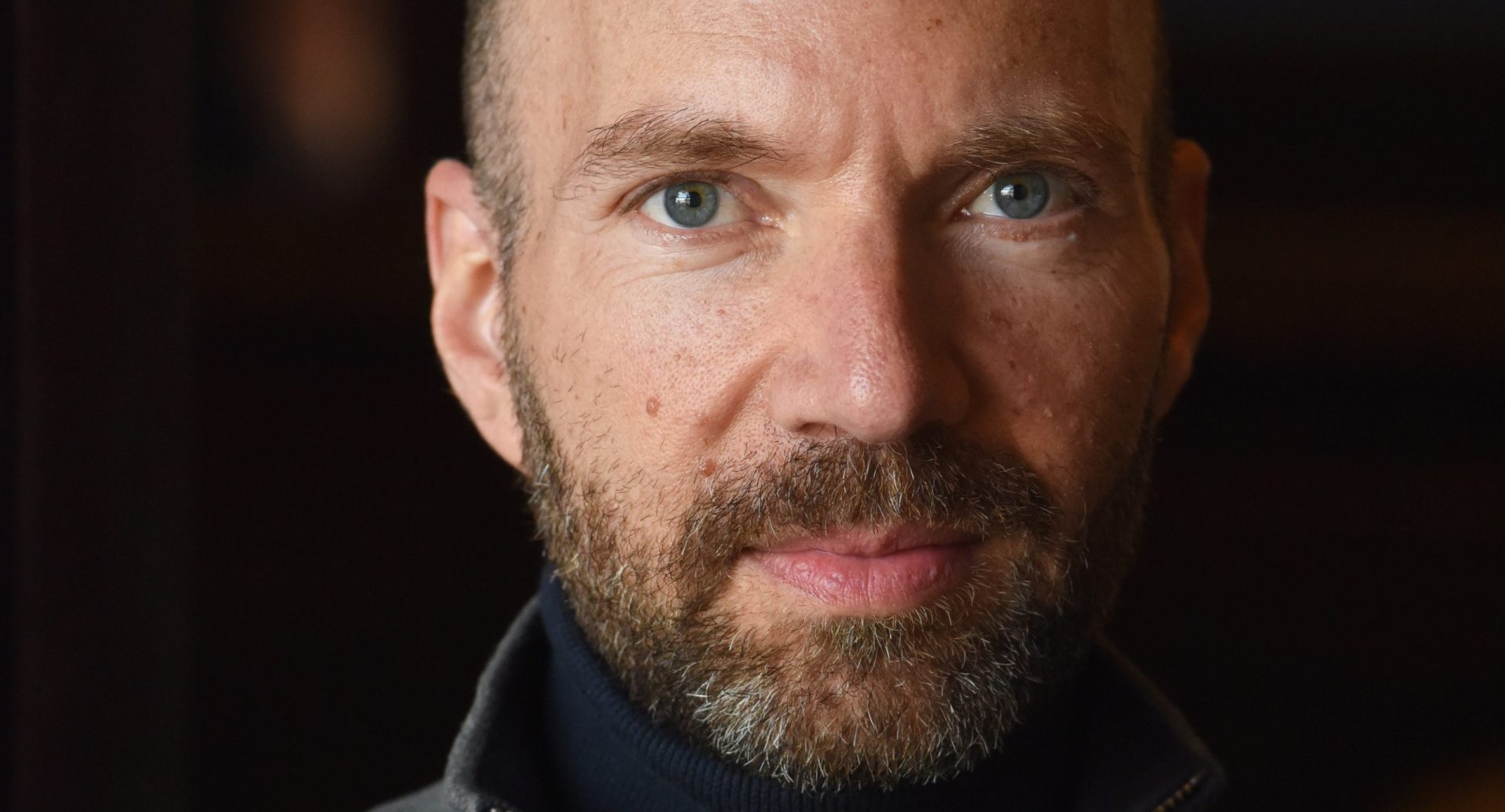
Jordan Mechner: Absorbing Decades Of Knowledge
Jordan Mechner’s reading list
21 books mentioned in this interview
- Sapiens · Yuval Noah HarariRecommended 19 times
- Destiny Disrupted: A History of the World Through Islamic Eyes · Tamim Ansary
- A Long Way Gone: Memoirs of a Boy Soldier · Ishmael Beah
- Le Comte de Monte-Cristo · Alexandre Dumas
- Edge of Irony: Modernism in the Shadow of the Habsburg Empire · Marjorie Perloff
- Winnie-the-Pooh books · A.A. Milne
- A Pattern Language · Christopher Alexander
- How to Win Friends and Influence People · Dale CarnegieRecommended 18 times
- Steve Jobs · Walter IsaacsonRecommended 7 times
- Essays · George Orwell
- Man’s Search for Meaning · Viktor FranklRecommended 29 times
- Gödel, Escher, Bach · Douglas R. HofstadterRecommended 6 times
- Pablo · Julie Birmant and Clément Oubrerie
- Revolution Song · Russell Shorto
- A Moveable Feast · Ernest Hemingway
- Dune · Frank HerbertRecommended 8 times
- The Hero with A Thousand Faces · Joseph CampbellRecommended 3 times
- The Thousand and One Nights
- The Wizard of Oz · L. Frank BaumRecommended 4 times
- Blue Truth · David Deida
- Enlightenment Now · Steven PinkerRecommended 8 times
Books by Jordan Mechner: Templar
Jordan Mechner is an author, screenwriter and video game designer who is best known as the creator of Prince of Persia, one of the most successful and enduring video game franchises of all time. Most recently, Jordan Mechner wrote the New York Times best-selling, Eisner award-nominated graphic novel Templar, illustrated by LeUyen Pham & Alex Puvilland. Jordan Mechner began his career as a video game creator in the 1980s with Karateka and followed soon after with Prince of Persia, two of the first games to combine arcade action with realistic animation and cinematic storytelling. Both titles became #1 bestsellers and are considered all-time classics. In 2001, Jordan Mechner joined forces with Ubisoft Entertainment to reinvent his decade-old classic for a new generation of gamers with Prince of Persia: The Sands of Time. Its breakout success in 2003 launched a global franchise that now includes graphic novels, toys, LEGO sets, and over 20 million video games sold to date. In 2010, Jordan Mechner became the first game creator-turned-screenwriter to successfully adapt his own work as a feature film with Disney’s Prince of Persia, produced by Jerry Bruckheimer. It is one of the world’s highest-grossing video game adaptations ever, at $335 million worldwide. Please enjoy my interview with Jordan Mechner.

How do you describe your occupation?
I make video games and write graphic novels and screenplays.
Talk us through a typical day for you…
I ride my bike to the game studio, stopping at a café for a morning hour of quiet writing/thinking before I join the rest of the production team. A game, book, movie, or TV show takes years from conception to release, and it’s common for projects to get stalled or cancelled, so I try to have at least three or four going at once. I might be in production on one project while I’m writing the script for another and doing research for a third.
The rhythm of the day can vary a lot depending on what phase the projects are in. One thing I appreciate about France is that the culture places a lot of value on a healthy work-life balance. You can be passionate and driven in your work, and still eat proper meals, spend time outdoors, go out with friends and home to your family. If people on the team feel they have to put in seventy-hour weeks, that’s a failure of leadership.
What are you reading at the moment and what made you want to read it?
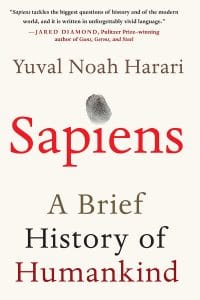
Sapiens by Yuval Noah Harari. Destiny Disrupted: A History of the World Through Islamic Eyes by Tamim Ansary. A Long Way Gone: Memoirs of a Boy Soldier by Ishmael Beah. Le Comte de Monte-Cristo by Alexandre Dumas (I read it in English as a kid, now I’m reading it in French). Edge of Irony: Modernism in the Shadow of the Habsburg Empire by Marjorie Perloff.
- Sapiens by Yuval Noah Harari
 Sapiens by Yuval Noah Harari
- Destiny Disrupted: A History of the World Through Islamic Eyes by Tamim Ansary
 Destiny Disrupted: A History of the World Through Islamic Eyes by Tamim Ansary
- A Long Way Gone: Memoirs of a Boy Soldier by Ishmael Beah
 A Long Way Gone: Memoirs of a Boy Soldier by Ishmael Beah
- Le Comte de Monte-Cristo by Alexandre Dumas
 Le Comte de Monte-Cristo by Alexandre Dumas
- Edge of Irony: Modernism in the Shadow of the Habsburg Empire by Marjorie Perloff
 Edge of Irony: Modernism in the Shadow of the Habsburg Empire by Marjorie Perloff
Can you remember the first book you read by yourself?
It’s a bit hazy, but I’m sure the Winnie-the-Pooh books by A.A. Milne were among the first.

Are you a page folder or a bookmarker?
Both. I’m also an underliner and highlighter, unless it’s a graphic novel or a cherished hardback, in which case I’m loath to dog-ear or mark up the pages.
When did you fall in love with reading?
I started early, around age two. Our house was a reading-friendly environment.
If you could gift yourself books at age 16 and age 25 – what would they be and why?
At 25, A Pattern Language by Christopher Alexander et al. To say it’s about architecture, home/office design, and urban planning doesn’t begin to do justice to its wisdom and insight into the ways our environment affects us. At age 16, I’d give myself How to Win Friends and Influence People by Dale Carnegie. I refused to read it for a long time because the title made it sound cheesy and self-serving, but when I finally did, I wished I’d read it sooner. Or if time travel is allowed, Steve Jobs by Walter Isaacson — because it’s inspiring, and a cautionary tale, and also because then I’d have known to buy Apple stock in 1985 and hang onto it.


What are perfect reading conditions for you?
In a country house in the woods, raining, with no wi-fi.
For someone starting out in your career, which three books would you make required reading and why?
I’d recommend that aspiring game developers and screenwriters read Essays by George Orwell (including “Politics and the English Language” and “Why I Write”); Man’s Search for Meaning by Viktor Frankl; and Gödel, Escher, Bach by Douglas R. Hofstadter. I wouldn’t push books about how to make games or movies, because the most important thing for an artist is to develop a well-rounded view of the world. If you focus too narrowly at a young age on becoming successful, you can end up making stuff that’s technically polished but doesn’t give your audience anything of lasting value, or conveys messages that are actually harmful.


If you could invite 5 authors (dead or alive) to a dinner party – who would they be and why?
Not all to the same dinner. The key to a great party is to bring together people from different professions and ages, so they don’t compete or fall into shop talk. So, one star author per evening. Oscar Wilde. Richard Feynman. Dorothy Parker. And Victor Hugo and Joann Sfar, for the French dinner.
What was the last book you purchased, and why did you buy it?
Pablo by Julie Birmant and Clément Oubrerie, a graphic novel about Picasso’s early years.

What is your favourite thing about reading?
It’s efficient. Travelling to new places, getting to know new people, studying new subjects in detail, and living through life-changing events all take years. You can only fit so much into one lifetime. Reading lets me absorb, in a matter of hours, valuable knowledge and experience that it took other people decades to acquire.
What’s the best book you’ve read in the last 6 months?
Revolution Song by Russell Shorto, the intertwined stories of six different people during the American Revolutionary War. It’s a great approach to writing history that made that period come alive for me.

If you could insert yourself into any book, which would you pick and why?
A Moveable Feast by Ernest Hemingway. Even if Paris in the twenties couldn’t possibly have been as great as he makes it sound, I’d love to have been there.

Name a book that you feel everyone would benefit from reading and explain why.
Man’s Search for Meaning by Viktor Frank, especially the first half of it, in which he describes his experience in a concentration camp. It breaks a lot of preconceived notions. And the lessons he learned are applicable to a lot of situations, not just concentration camps. If you’re feeling unhappy with your life or annoyed about something, it puts things into perspective.
What is the book that you feel has had the single biggest impact on your life? What impact did it have?
The Hero with A Thousand Faces by Joseph Campbell blew my mind when I read it in college. It gave me a template that started making mental links among concepts and ideas that I’d never thought of as being related to each other. Also, it led me to re-read The Thousand and One Nights, which had an impact in its own right.


Are there any books you haven’t mentioned that you feel would make your reading list?
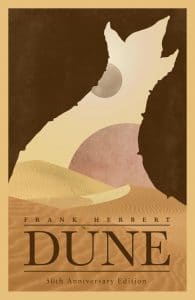
Dune by Frank Herbert. I must have re-read it twenty times between the ages of 15-18. The Wizard of Oz by L. Frank Baum, my favorite book at ages 6-7. Those were formative. And Blue Truth by David Deida, which challenged a lot of ingrained notions I’d been carrying about romantic relationships (and other aspects of life).


Which book sat on your shelf are you most excited about reading next and why?
Enlightenment Now by Steven Pinker. My brother recommended it, and he’s got a good track record.

If you’d like to learn more about Jordan Mechner, you can find him on his website and Twitter.
As an Amazon Associate we earn from qualifying purchases made through links on this page.