George Monbiot: Obtaining A Far Deeper Understanding
George Monbiot’s reading list
31 books mentioned in this interview
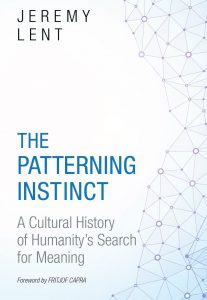
- The Patterning Instinct · Jeremy Lent
- The Golden Bough · JG Frazer
- As I Walked Out One Midsummer Morning · Laurie Lee
- The Kon-Tiki Expedition · Thor Heyerdahl
- Why Love Matters · Sue Gerhardt
- The Compassionate Mind · Paul Gilbert
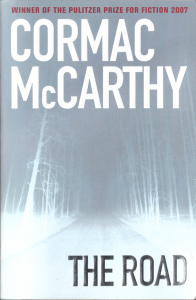
- The Road · Cormac McCarthyRecommended 8 times
- Ulverton · Adam Thorpe
- Doughnut Economics · Kate Raworth
- Age of Anger · Pankaj Mishra
- The Goldfinch · Donna TarttRecommended 10 times
- The Thing Itself · Adam Robert
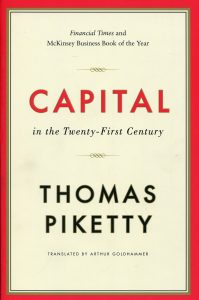
- Capital · Thomas Piketty
- Romany series · George Bramwell Evens
- Middlemarch · George EliotRecommended 11 times
- Riddley Walker · Russell Hoban
- Cloud Atlas · David Mitchell
- Things Fall Apart · Chinua AchebeRecommended 6 times
- Madame Bovary · Gustave FlaubertRecommended 4 times
- Dead Souls · Nikolai Gogol
- Fathers and Sons · Ivan Turgenev
- Half of a Yellow Sun · Chimamanda Ngozi Adichie
- The Life and Opinions of Tristram Shandy · Laurence Sterne
- A Suitable Boy · Vikram Seth
- Jane Eyre · Charlotte BrontëRecommended 11 times
- An Insular Possession · Timothy Mo
- The War of the End of the World · Mario Vargas Llosa
- The Remains of the Day · Kazuo IshiguroRecommended 3 times
- Moby Dick · Herman MelvilleRecommended 18 times
- The Border Trilogy · Cormac McCarthy
- A Dance to the Music of Time · Anthony PowellRecommended 4 times
Books by George Monbiot: Captive State: The Corporate Takeover of Britain, Feral: Searching for Enchantment on the Frontiers of Rewilding
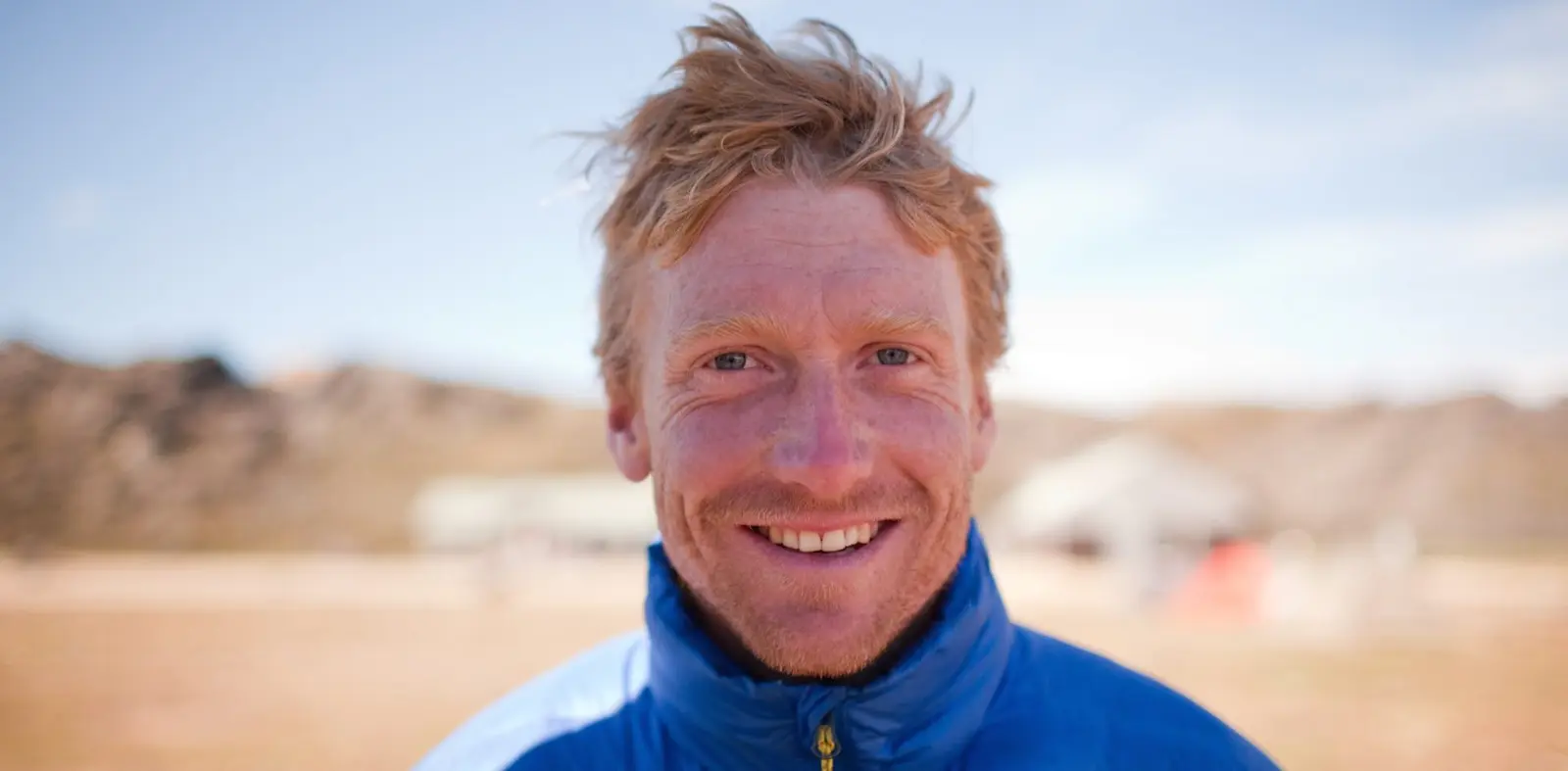
George Monbiot is a British writer known for his environmental and political activism. George writes a weekly column for The Guardian, and is the author of a number of books, including Captive State: The Corporate Takeover of Britain and Feral: Searching for Enchantment on the Frontiers of Rewilding. George Monbiot is the founder of The Land is Ours, a peaceful campaign for the right of access to the countryside and its resources in the United Kingdom. George Monbiot has honorary doctorates from the University of St Andrews and the University of Essex, and an honorary fellowship from Cardiff University. In 1995, Nelson Mandela presented him with a United Nations Global 500 Award for outstanding environmental achievement. In 2017, George Monbiot was a recipient of the SEAL Environmental Journalism Award for his work at the Guardian. I’ve recently enjoyed hearing George discuss politics with Russell Brand on the Under The Skin podcast. Please enjoy my interview with George Monbiot…


When someone asks you ‘what do you do for a living?’ – How do you respond?
I find that question hard to answer, as I’ve sought to work in as many ways as possible. I spend half my time writing for the Guardian, as a contracted freelance, and the rest pursuing a series of wild and sometimes quixotic projects. I’ve just published another non-fiction book, but my project before that was an album, that I wrote with the musician Ewan McLennan. My next one is a graphic novel, followed by a novel.
What are you reading at the moment?
A remarkable book – perhaps the most profound and far-reaching I’ve ever read – called The Patterning Instinct by Jeremy Lent. It’s about humanity’s search for meaning, and the way in which culture shapes the cognitive pathways in our minds and pushes us to think and behave in particular patterns. I see it as the 21st Century version of The Golden Bough by JG Frazer: a vast intellectual adventure, sweeping through thousands of years of human history.

When you think about your childhood, what book comes to mind?
As I Walked Out One Midsummer Morning by Laurie Lee. It stirred my longing for adventure and for escape from my own troubled circumstances. I read it again and again. I think I still have it somewhere, the cover, frayed and bent, showing the ragged boy walking away down a sun-bleached road.

Can you remember the first non-fiction book you loved?
The Kon-Tiki Expedition by Thor Heyerdahl. The combination of the thrill of floating away from it all and his wonderful descriptions of the creatures of the sea he encountered stay with me to this day. I think it might be what engendered my love of sea kayaking.

What did you want to be when you were growing up?
I’m still working it out. I knew it would have something to do with wildlife, and something to do with writing, as these were my great loves. But the specifics varied from year to year. They still do.
What do you think your school aged self would think of the present day you?
I hope he would be pleased that I had found my own way through life, and that, as far as I am able, I’m living according to my beliefs.
If you could wrap up a single book and gift it to yourself as you left education – which book would it be?
It would be a book that helped to make sense of my life. Perhaps Why Love Matters by Sue Gerhardt, or The Compassionate Mind by Paul Gilbert.


Does your reading have routine? Is there a particular time or place that you like to read?
Not any more – young children have put paid to that. Now it’s a matter of snatching whatever time I can, mostly in the evenings, just before going to sleep or on train journeys.
Can you talk us through your research process when preparing for a new book?
Until I wrote Feral: Searching for Enchantment on the Frontiers of Rewilding, it was an ordered and almost mechanical process. I would start by structuring the enquiry and drawing up a list of topics to research. Then, typically, I would go into the library and search the academic journals, piling up a great stack of material, then begin the quest for relevant books, as well as working out where I had to go and who I should meet. The first tranche of research would lead me to the next questions, and so on.
But Feral is about rewilding, which, when applied to ecosystems, means to the greatest extent possible allowing them to find their own way. So it seemed wrong to apply that rigid structure to my investigation of the topic. I sought to rewild my own writing, allowing the topic to evolve organically, rather than forcing the pace. Of course, as well as the time exploring the issue outdoors, a great deal of reading was required, but the topics appeared and unfolded as I went along, rather than being apparent at the beginning.
I feel this approach has set me up well for the novel I’m writing. I have tried to write fiction before, and found that I was forcing it. In this case however, the tables seem to have been turned: now it is the book that’s driving me, and taking me to unexpected places. It is as if it has a mind of its own, and I just go where it tells me.
Which book has had the biggest impact on your career so far? How did it impact it?
I think it might be The Road by Cormac McCarthy. I see it as the most important environmental book ever written. It is a thought experiment that takes us to ground zero: imagining a world without a biosphere. It certainly concentrates the mind when I’m thinking about environmental issues.

What two pieces of advice would you give a young aspiring writer?
First, avoid writers block by ceasing to worry about the first sentence. Just throw down a few words that have something vaguely to do with the idea or image with which you wish to begin the passage you’re writing, then carry on, as sketchily as necessary, and sort it all out later. You’ll often find that the words unexpectedly start to flow, once you have begun.
Second, be aware that very little you write is likely to enjoy great success. The UK, astonishingly, publishes 180,000 books a year. Of these, perhaps 100 will do extremely well, and perhaps 1000 will do moderately well. Writing a book, even an utterly brilliant book, is a wild gamble. Everyone writes in the hope or even expectation of great success, and that hope will nearly always be dashed. The disappointment can be crushing – I have seen people’s lives ruined by it. Don’t let that happen to you. By the time one book is published, you should be working on another, and burying yourself in it, so you have something with which to distract yourself if the first one is scarcely recognised. You will need to devise strategies for coping with disappointment, as you are almost certain to encounter it.
Do you have any books that you strongly associate with someone important in your life?
No. I try to remember that life and literature are not the same thing.
What book have you recommended the most to friends and family?
Probably Ulverton by Adam Thorpe, a novel of great beauty and delicacy.

Do you prefer fiction or non-fiction?
Fiction.
Do you think reading is important?
I think it is invaluable. And by reading, I don’t mean only blogs and articles. I feel I obtain a far deeper understanding of an issue when I read a book about it.
What’s the best book you’ve read in the last 6 months?
That’s hard to answer, as I have read so many good ones. I would say it’s a toss up between Doughnut Economics by Kate Raworth, Age of Anger by Pankaj Mishra, The Goldfinch by Donna Tartt and The Thing Itself by Adam Robert.


Do you prefer real books or digital books?
Real. I spend far too much time staring at a screen as it is.
Name a book that you feel everyone would benefit from reading and explain why.
Capital by Thomas Piketty in the 21st Century. While its prescriptions are weak, its analysis of how we got into our mess is excellent.

What is the book that you feel has had the single biggest impact on your life? What impact did it have?
Perhaps the Romany series by George Bramwell Evens, that I read avidly when I was very young. I would probably find all sorts of things wrong with it today, but it was a major influence in cementing my love of the natural world and my fascination with our relationship to it.

Are there any books you haven’t mentioned that you feel would make your reading list?
Far too many. I’d also include:
Middlemarch by George Eliot, Riddley Walker by Russell Hoban, Cloud Atlas by David Mitchell, Things Fall Apart by Chinua Achebe, Madame Bovary by Gustave Flaubert, Dead Souls by Nikolai Gogol, Fathers and Sons by Ivan Turgenev, Half of a Yellow Sun by Chimamanda Ngozi Adichie, The Life and Opinions of Tristram Shandy by Laurence Sterne, A Suitable Boy by Vikram Seth, Jane Eyre by Charlotte Brontë, An Insular Possession by Timothy Mo, The War of the End of the World by Mario Vargas Llosa, The Remains of the Day by Kazuo Ishiguro, Moby Dick by Herman Melville, The Border Trilogy by Cormac McCarthy, A Dance to the Music of Time by Anthony Powell,
I could probably go on all day…
- Middlemarch by George Eliot
 Middlemarch by George Eliot
- Riddley Walker by Russell Hoban
 Riddley Walker by Russell Hoban
- Cloud Atlas by David Mitchell
 Cloud Atlas by David Mitchell
- Things Fall Apart by Chinua Achebe
 Things Fall Apart by Chinua Achebe
- Madame Bovary by Gustave Flaubert
 Madame Bovary by Gustave Flaubert
- Dead Souls by Nikolai Gogol
 Dead Souls by Nikolai Gogol
- Fathers and Sons by Ivan Turgenev
 Fathers and Sons by Ivan Turgenev
- Half of a Yellow Sun by Chimamanda Ngozi Adichie
 Half of a Yellow Sun by Chimamanda Ngozi Adichie
- The Life and Opinions of Tristram Shandy by Laurence Sterne
 The Life and Opinions of Tristram Shandy by Laurence Sterne
- A Suitable Boy by Vikram Seth
 A Suitable Boy by Vikram Seth
- Jane Eyre by Charlotte Brontë
 Jane Eyre by Charlotte Brontë
- An Insular Possession by Timothy Mo
 An Insular Possession by Timothy Mo
- The War of the End of the World by Mario Vargas Llosa
 The War of the End of the World by Mario Vargas Llosa
- The Remains of the Day by Kazuo Ishiguro
 The Remains of the Day by Kazuo Ishiguro
- Moby Dick by Herman Melville
 Moby Dick by Herman Melville
- The Border Trilogy by Cormac McCarthy
 The Border Trilogy by Cormac McCarthy
- A Dance to the Music of Time by Anthony Powell
 A Dance to the Music of Time by Anthony Powell
What books or subject matter do you plan on reading in the next year?
What I tend to do is to go into the bookshop and ask the assistant for advice. For example, I might ask for recommendations for novels of ideas, or something from Eastern Europe, or an under-recognised British novel. I find this always leads me to more interesting books than either the review pages (which tend to be horribly slanted towards established authors: I see a lot of what passes for literary commentary – especially the obsession with biography – as just a highfalutin form of celebrity culture) or random recommendations. Some of the people who work in bookshops are fantastically knowledgeable, and their learning and wisdom is often undervalued.
If you were to write an autobiography – what would it be called?
Another Fine Mess.
If you’d like to learn more about George Monbiot, you can find him on his website and Twitter.
Image credit: Dave Stelfox
As an Amazon Associate we earn from qualifying purchases made through links on this page.