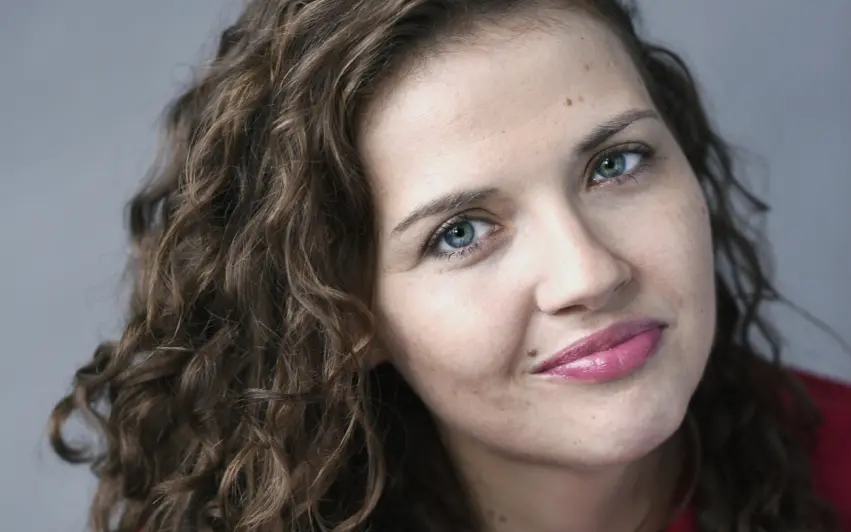
Kayla Rae Whitaker: More Journey Than Destination
Kayla Rae Whitaker’s reading list
35 books mentioned in this interview
- Jane Eyre · Charlotte BrontëRecommended 12 times
- Beyond the Pawpaw Trees · Palmer Brown
- Carrie · Stephen King
- The Elements of Style · William Strunk JrRecommended 3 times
- Communion · Whitley StrieberRecommended 3 times
- Art and Fear · David Bayles and Ted Orland
- Captain Beefheart: The Biography · Mike Barnes
- Wuthering Heights · Emily BrontëRecommended 6 times
- The Stories of Breece D’J Pancake · Breece D’J Pancake
- White Trash: The 400-Year Untold History of Class in America · Nancy Isenberg
- Willa Cather and the Politics of Criticism
- Twenty-Eight Artists and Two Saints
- Monsters: A Love Story · Liz Kay
- The Regional Office is Under Attack! · Manuel Gonzalez
- Another Place You’ve Never Been · Rebecca Kauffman
- The Bluest Eye · Toni MorrisonRecommended 8 times
- Lolita · Vladimir NabokovRecommended 11 times
- Light in August
- As I Lay Dying · William Faulkner
- The Complete Stories · Flannery O’Connor
- The Dirt: Confessions of the World’s Most Notorious Rock Band · Neil Strauss
- Divine Right’s Trip · Gurney Norman
- ITRecommended 10 times
- The Stand · Stephen KingRecommended 10 times
- The Song of the Lark · Willa Cather
- Fun Home · Allison BechdelRecommended 3 times
- The Complete Calvin and Hobbes · Bill Watterson
- Middlemarch · George EliotRecommended 12 times
- Madame Bovary · Gustave FlaubertRecommended 4 times
- Stephen Florida · Gabe Habash
- Marlena · Julie Buntin
- The Idiot · Elif BatumanRecommended 3 times
- Why I Am Not a Feminist · Jessa Crispin
- Swing Time · Zadie SmithRecommended 3 times
- Lincoln in the Bardo · George SaundersRecommended 10 times
Books by Kayla Rae Whitaker: The Animators
Kayla Rae Whitaker is a writer who was born and raised in Kentucky, who went on to graduate from the University of Kentucky and of New York University’s MFA program, which she attended as Jack Kent Cooke Graduate Scholar. Kayla Rae Whitaker has had her writing published in popular publications like Buzzfeed, Literary Hub, Split Lip Magazine, Bodega, Joyland, Five Quarterly, American Microreviews and Interviews, and others. Kayla Rae Whitaker has recently published her debut novel, The Animators, which has been received exceptionally well. It’s a novel about two women’s transformative college friendship and artistic partnership, and the ways in which it continues to be the most important force in their lives, for good and for bad, ten years later. Kayla Rae Whitaker is a writer tipped for big things, so to talk books with her was a real pleasure. Please enjoy my interview with Kayla Rae Whitaker…

When someone asks you ‘what do you do for a living?’ – How do you respond?
I used to feel strangely about answering “writer,” but I have been doing so since The Animators came out, and nothing has spontaneously combusted – so only now do I say writer, after years of having written.
What are you reading at the moment?
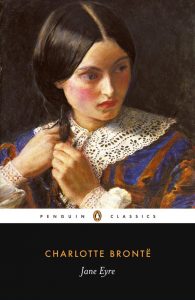
I’m actually just finished Jane Eyre by Charlotte Brontë. I missed reading it, somewhere along the way, which likely makes me a bad English major. It was a revelation. And a lot funnier than I expected it to be – Jane is incredibly deadpan. Particularly the section, early on, when the headmaster asks her how little girls best avoid hell, and she responds, “By staying healthy and not dying.”
When you think about your childhood, what book comes to mind?
The first – Beyond the Pawpaw Trees by Palmer Brown. Such a strange, subversive, lovely book, a spiritual cousin, in a way, to the P.L. Travers Mary Poppins series. A girl enters a weird fantasy land and has to find her way back – a familiar story, maybe, but chapters are accompanied by incredibly sinister illustrations, and the details are strange and lasting. Great book. Kicks the hell out of Alice in Wonderland. The second is Carrie by Stephen King, which my mother found and took away from me, and which I stole back.


Can you remember the first story you ever wrote?
It was likely in comic book form: Super Brand Cat, a steroid-powered feline superhero, battled his nemesis Furious Fish. Why I designed a villain whose superpower is anger, I couldn’t tell you.
What did you want to be when you were growing up?
I probably would have told you I wanted to be a cartoonist. I had a volume of collected Peanuts to which I was fiercely attached, and began to draw comic strips (beginning with the aforementioned Super Brand Cat). It was only years later that I picked up that collection and recognized just how dark Peanuts really was: “Wow. That wasn’t a good sign.”
What do you think your school aged self would think of the present day you?
Wrinkly and crabby. She wouldn’t be wrong.
If you could wrap up a single book and gift it to yourself as you left education – which book would it be?
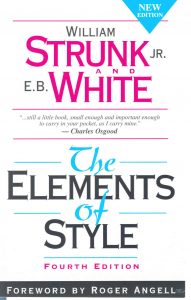
For someone who knows they’d like to write, The Elements of Style by William Strunk Jr will never steer you wrong. Or if you want to stress to the new grad that the universe is a boundless, indescribable place: Communion by Whitley Strieber.

Does your reading have routine? Is there a particular time or place that you like to read?
I’ve spent the last year attempting to re-establish my reading routine. As a New Yorker, I got a tremendous amount of reading done on my subway commute. Typically a couple books a week. Now that I live in Kentucky again and am required to drive everywhere, I have to commit myself to reading just as much at home. I like to read in the evenings, before bed – I try for an hour or two prior to bedtime – and on the weekends. Sundays, in particular, are nice reading days. I aim for a book a week, now. I probably need to investigate audio books.
Can you talk us through your writing process, from the first spark of an idea, to having your first completed draft?
It varies from project to project. Writing The Animators was, from its very start to the finish, seven years of various drafts and iterations, written during grad school and then while I was working full-time. I write sprawling, messy first drafts and then commit myself to a scrupulous, ruthless revision process. The goal is to revise fearlessly. I’m a big believer in putting the work aside between drafts, as well, so I can revisit it with a fresh perspective.
Which book has had the biggest impact on your career so far? How did it impact it?
Art and Fear by David Bayles and Ted Orland is pretty stellar – it’s a straightforward, unpretentious study in how to operate without anxiety, with faith. There are a lot of elements that will pull you away from your desk, and getting in the habit of avoiding their grasp is the first step to getting meaningful work done.

What two pieces of advice would you give a young aspiring writer?
Write every day, and get in the habit of writing every day. Incorporate it into your routine so that it is a task to which you sit down automatically, like brushing your teeth, or exercising. And try to protect the sanctity of your mental writing space. It sounds a bit corny, but it’s true – keep that place, where your voice makes the decisions, free of interference or judgement. It’s more journey than destination, perhaps, but it becomes easier with practice.
Do you have any books that you strongly associate with someone important in your life?
When I met my husband, he recommended the Captain Beefheart: The Biography by Mike Barnes to me. He also recommended Wuthering Heights by Emily Brontë, which I read just before we travelled to northern England (and when we were walking on the moors, I kept singing the Kate Bush song in falsetto to him, which got old really fast).


What book have you recommended the most to friends and family?
I keep giving copies of The Stories of Breece D’J Pancake by Breece D’J Pancake to people. It’s a collection that has remained important to me since I first encountered it at age 20, so much so that my cat is named Pancake. There’s something that gets my gut churning when I read those stories. There have been other books I’ve read since that I have found to be just as meaningful, but for some reason, that’s the one that seems to change hands the most.

Do you prefer fiction or non-fiction?
I love, and naturally gravitate toward, fiction, and so I work hard to achieve a balance between the two. The last great non-fiction work I picked up was White Trash: The 400-Year Untold History of Class in America by Nancy Isenberg. Joan Acocella’s writing stuns me, and I have Willa Cather and the Politics of Criticism and Twenty-Eight Artists and Two Saints on my nightstand right now.
- White Trash: The 400-Year Untold History of Class in America by Nancy Isenberg
 White Trash: The 400-Year Untold History of Class in America by Nancy Isenberg
- Willa Cather and the Politics of Criticism
 Willa Cather and the Politics of Criticism
- Twenty-Eight Artists and Two Saints
 Twenty-Eight Artists and Two Saints
Do you think reading is important?
Immensely so. It helps me to live in the world, and it helps me to better understand others. I constantly fear that I don’t read enough, and I probably don’t, to be honest. I don’t read as much as I would like to, let me put it that way.
What’s the best book you’ve read in the last 6 months?
I’m going to pull that irritating card of not being able to pick just one, so how about three? I loved Monsters: A Love Story by Liz Kay. I read The Regional Office is Under Attack! by Manuel Gonzalez and thought it was great. And I read Another Place You’ve Never Been by Rebecca Kauffman, which was wonderful.


Do you prefer real books or digital books?
I used to avoid the digital, but embraced it once I lived in New York and realized there was no way my apartment could contain the books I needed it to without a pile toppling over and potentially crushing a cat. I still buy plenty of real books, however, hardback and otherwise, but I love my Kindle a lot. It’s also easier on the back/shoulders when you’re traveling.
Name a book that you feel everyone would benefit from reading and explain why.
The Bluest Eye by Toni Morrison. It’s heartbreaking, but such an important story, covering such crucial issues – race, gender, abuse. And it’s so stunningly told. It sticks with you in a way that only the most significant books can.

Are there any books you haven’t mentioned that you feel would make your reading list?
I’d also include:
Light in August and As I Lay Dying by William Faulkner, Lolita by Vladimir Nabokov, The Complete Stories by Flannery O’Connor, The Dirt: Confessions of the World’s Most Notorious Rock Band by Neil Strauss, Divine Right’s Trip by Gurney Norman, IT and The Stand by Stephen King, The Song of the Lark by Willa Cather, Fun Home by Allison Bechdel and The Complete Calvin and Hobbes by Bill Watterson.
- Lolita by Vladimir Nabokov
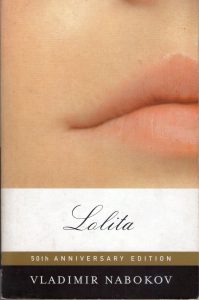 Lolita by Vladimir Nabokov
- Light in August
 Light in August
- As I Lay Dying by William Faulkner
 As I Lay Dying by William Faulkner
- The Complete Stories by Flannery O’Connor
 The Complete Stories by Flannery O’Connor
- The Dirt: Confessions of the World’s Most Notorious Rock Band by Neil Strauss
 The Dirt: Confessions of the World’s Most Notorious Rock Band by Neil Strauss
- Divine Right’s Trip by Gurney Norman
 Divine Right’s Trip by Gurney Norman
- IT
 IT
- The Stand by Stephen King
 The Stand by Stephen King
- The Song of the Lark by Willa Cather
 The Song of the Lark by Willa Cather
- Fun Home by Allison Bechdel
 Fun Home by Allison Bechdel
- The Complete Calvin and Hobbes by Bill Watterson
 The Complete Calvin and Hobbes by Bill Watterson
What books or subject matter do you plan on reading in the next year?
Continuing my “classics I’ve missed” tear: Middlemarch by George Eliot is on the list, as is Madame Bovary by Gustave Flaubert. Resting at the top of my TBR list:
Stephen Florida by Gabe Habash, Marlena by Julie Buntin, The Idiot by Elif Batuman and Why I Am Not a Feminist by Jessa Crispin.
I’m planning a good, digging re-read of Lolita by Vladimir Nabokov by the end of 2017. I’m saving Swing Time by Zadie Smith and Lincoln in the Bardo by George Saunders for my next big plane ride, which will actually be to Australia to tour for The Animators in August, so I’ll need several books to fill all that airport time.
- Middlemarch by George Eliot
 Middlemarch by George Eliot
- Madame Bovary by Gustave Flaubert
 Madame Bovary by Gustave Flaubert
- Stephen Florida by Gabe Habash
 Stephen Florida by Gabe Habash
- Marlena by Julie Buntin
 Marlena by Julie Buntin
- The Idiot by Elif Batuman
 The Idiot by Elif Batuman
- Why I Am Not a Feminist by Jessa Crispin
 Why I Am Not a Feminist by Jessa Crispin
- Lolita by Vladimir Nabokov
 Lolita by Vladimir Nabokov
- Swing Time by Zadie Smith
 Swing Time by Zadie Smith
- Lincoln in the Bardo by George Saunders
 Lincoln in the Bardo by George Saunders
If you were to write an autobiography – what would it be called?
Eating Circus Peanuts in Purgatory.
If you’d like to learn more about Kayla Rae Whitaker, you can find her on on her website, Facebook and Twitter.
Image credit: Mark Bennington.
As an Amazon Associate we earn from qualifying purchases made through links on this page.
You might also like

George Monbiot: Obtaining A Far Deeper Understanding
Interview · 21 October 2017
Gina Wohlsdorf: Reading is as Important as Breathing
Interview · 23 September 2016
Chigozie Obioma: A Relentless Quest For Knowledge
Interview · 7 July 2017
Stephen King Books in Order: Every Novel, the Series and Where to Start
Reading list · 16 November 2026