Dani Rodrik: Withdrawal And Immersion At The Same Time
Dani Rodrik’s reading list
22 books mentioned in this interview
- Fire and Fury · Michael WolffRecommended 3 times
- Why Does Inequality Matter · T.M. Scanlon
- The Count of Monte Cristo · Alexander DumasRecommended 7 times
- The Story of Art · E.H. GombrichRecommended 3 times
- The Rhetoric of Economics · Deirdre McCloskey
- The Wealth of Nations · Adam SmithRecommended 11 times
- Reinventing the Bazaar: A Natural History of Markets · John McMillan
- Economics for the Common Good · Jean Tirole
- Exact Thinking in Demented Times: The Vienna Circle and the Epic Quest for the Foundations of Science · Karl Sigmund
- The Space Between Us · Ryan Enos
- A Little Life · Hanya YanagiharaRecommended 7 times
- Lords of Finance: The Bankers Who Broke the World · Liaquat Ahamed
- The Great Transformation · Karl Polanyi
- Thinking Strategically · Avinash Dixit and Barry NalebuffRecommended 3 times
- Globalizing Capital · Barry Eichengreen
- Phishing for Fools · George Akerlof and Bob Shiller
- Democracy Realized · Roberto Mangabeira Unger
- Unequal Democracy · Larry Bartels
- The Great Escape · Angus Deaton
- Spheres of Justice · Michael Walzer
- Power and Plenty · Ronald Findlay and Kevin O’Rourke
- Two Cheers for Anarchism · James C. Scott
Books by Dani Rodrik: Economic Rules: The Rights and Wrongs of the Dismal Science, The Globalization Paradox: Democracy and the Future of the World Economy
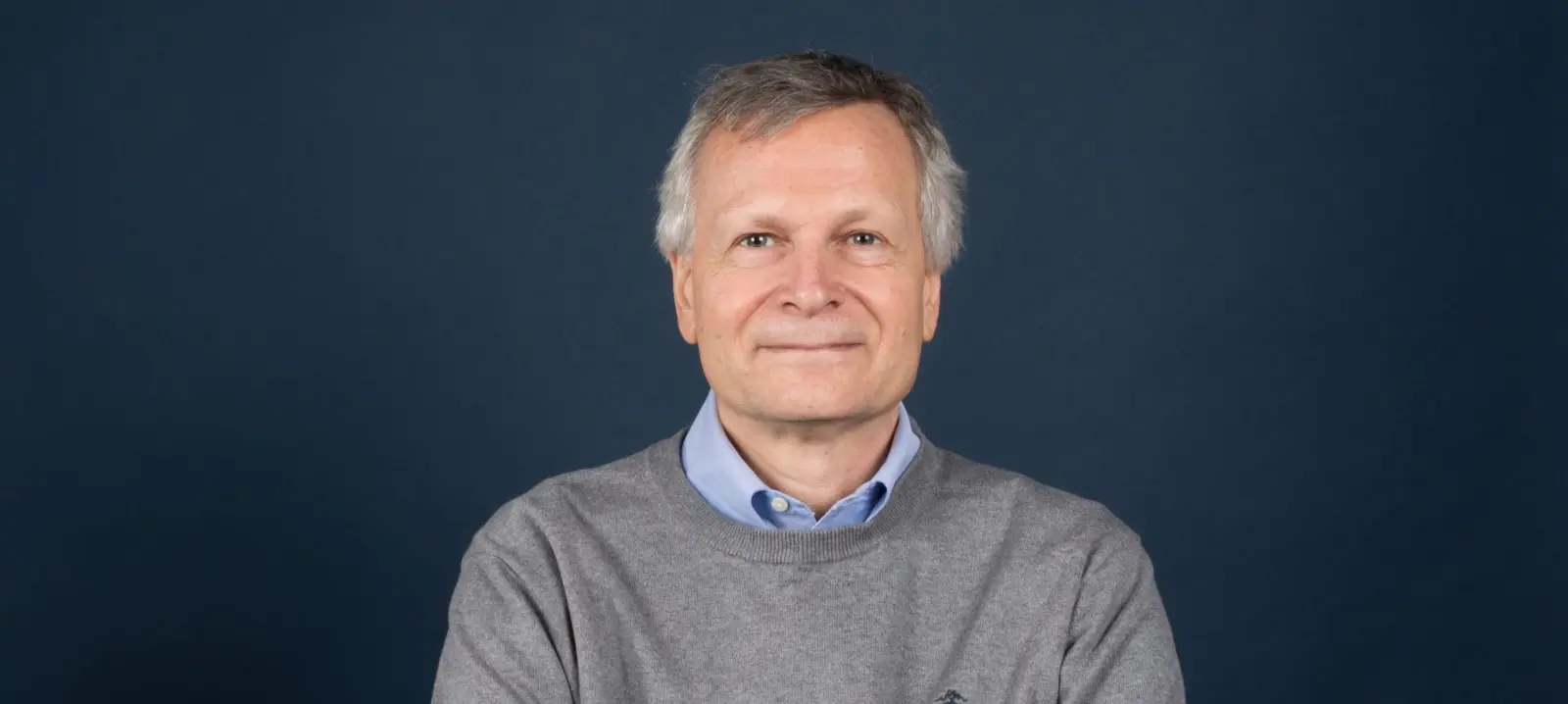
Dani Rodrik is a Turkish economist and Ford Foundation Professor of International Political Economy at the John F. Kennedy School of Government at Harvard University. He was formerly the Albert O. Hirschman Professor of the Social Sciences at the Institute for Advanced Study in Princeton, New Jersey. Dani Rodrik has published widely in the areas of international economics, economic development, and political economy. The question of what constitutes good economic policy and why some governments are more successful than others at adopting it is at the centre of his research. His works include Economic Rules: The Rights and Wrongs of the Dismal Science and The Globalization Paradox: Democracy and the Future of the World Economy. Dani Rodrik is also joint editor-in-chief of the academic journal Global Policy. Please enjoy my interview with Dani Rodrik.


How do you describe your occupation?
Economist and professor.
Talk us through a typical day for you…
I have writing days and other days. When I am in the middle of writing something (a research paper, a book, or just a column), I tend to be single-mindedly focused on that, until I get enough writing done for the day. When I am not in the middle of writing something, I try to read at least a couple of research papers a day, prepare for classes (if it is semester time), and, I am somewhat embarrassed to say, spend a lot of time on Twitter. Then there are travel days, of course, when my schedule is completely in the hands of my hosts.

What are you reading at the moment and what made you want to read it?
Just finished reading Fire and Fury by Michael Wolff. It was all the media stories that led me to it. Glad to be done with it (and sort of rue the time I spent on it, given how much we already knew about Trump). I have Why Does Inequality Matter by T.M. Scanlon, the philosopher, in front of me now.


Can you remember the first book you read by yourself?
That’s a tough one. The Count of Monte Cristo by Alexander Dumas (in Turkish translation) somehow sticks in my mind, though I am not at all sure it was the first full-length book I read.

Are you a page folder or a bookmarker?
I read most (non-scientific) books on the Kindle app on my iPhone, so luckily bookmarking is not something I need to worry about anymore. I used to be a page folder.
If you could gift yourself books at age 16 and age 25 – what would they be and why?
At 16 I was too much of a tech geek, so I would have benefited from some good books on the arts and humanities. The Story of Art by E.H. Gombrich, perhaps, which I should have read earlier than I did. At 25, I was about to embark on my PhD in Economics. I would have benefited from The Rhetoric of Economics by Deirdre McCloskey (though it was not published until three years later) – both because of its argument that economists rely on rhetorical tools to convince their peers and for the reminder that you can be a good economist and write well at the same time.


Which three books would you recommend for a complete novice who wants to learn about economics?
The Wealth of Nations by Adam Smith is timeless and remains indispensable. Reinventing the Bazaar: A Natural History of Markets by John McMillan is a great book that can be read for fun by anyone to understand how markets work in real life. To bring the story up to date and show how economists think about contemporary policy issues, I’d complete the list with Economics for the Common Good by Jean Tirole – a long but profitable read.


If you could invite 5 authors (dead or alive) to a dinner party – who would they be and why?
Adam Smith, Karl Polanyi, John Maynard Keynes, Albert Hirschman, and Tom Schelling. Because these individuals had the most creative things to say about our market societies – their past and future. I was lucky enough to meet two of them.
What was the last book you purchased, and why did you buy it?
Exact Thinking in Demented Times: The Vienna Circle and the Epic Quest for the Foundations of Science by Karl Sigmund. I read a couple of reviews that made the book sound really interesting.

What is your favourite thing about reading?
Reading is withdrawal and immersion at the same time: withdrawal from whatever is happening at the moment around you, and immersion in a different world. It adds life.
What’s the best book you’ve read in the last 6 months?
Non-fiction: The Space Between Us by Ryan Enos, an eye-opening book about how geography shapes inter-group bias. Fiction: A Little Life by Hanya Yanagihara, about a group of friends in New York City.


If you could insert yourself into any book, which would you pick and why?
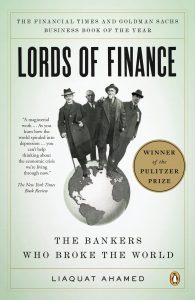
Lords of Finance: The Bankers Who Broke the World by Liaquat Ahamed tells the story of central bankers’ ineptitude as the Great Depression was brewing. It would have been good to be there and introduce some more contemporary economics into the discussion.
What’s the greatest book on economics ever written?
It is unoriginal to say so, but The Wealth of Nations by Adam Smith is peerless.
What is the book that you feel has had the single biggest impact on your life? What impact did it have?
Certainly, The Great Transformation by Karl Polanyi has had the greatest impact on my thinking. His idea that markets are not self-standing and that they are always embedded in social-moral structures is a very powerful one that continues to shape my work.

If you could only teach the youth of today one thing about economics, what would it be and why?
I’d assume that they have been already exposed to some economics elsewhere, and I would try to teach them that economics is not so much about worshipping markets as it is to harness and shape markets for the social good.
Are there any books you haven’t mentioned that you feel would make your reading list?
Many. Thinking Strategically by Avinash Dixit and Barry Nalebuff; Globalizing Capital by Barry Eichengreen; Phishing for Fools by George Akerlof and Bob Shiller; Democracy Realized by Roberto Mangabeira Unger; Unequal Democracy by Larry Bartels; The Great Escape by Angus Deaton; Spheres of Justice by Michael Walzer; Power and Plenty by Ronald Findlay and Kevin O’Rourke; Two Cheers for Anarchism by James C. Scott. I might add a couple of mine if I am not feeling too modest, but I better stop before the list gets too long.
- Thinking Strategically by Avinash Dixit and Barry Nalebuff
 Thinking Strategically by Avinash Dixit and Barry Nalebuff
- Globalizing Capital by Barry Eichengreen
 Globalizing Capital by Barry Eichengreen
- Phishing for Fools by George Akerlof and Bob Shiller
 Phishing for Fools by George Akerlof and Bob Shiller
- Democracy Realized by Roberto Mangabeira Unger
 Democracy Realized by Roberto Mangabeira Unger
- Unequal Democracy by Larry Bartels
 Unequal Democracy by Larry Bartels
- The Great Escape by Angus Deaton
 The Great Escape by Angus Deaton
- Spheres of Justice by Michael Walzer
 Spheres of Justice by Michael Walzer
- Power and Plenty by Ronald Findlay and Kevin O’Rourke
 Power and Plenty by Ronald Findlay and Kevin O’Rourke
- Two Cheers for Anarchism by James C. Scott
 Two Cheers for Anarchism by James C. Scott
Which book sat on your shelf are you most excited about reading next and why?
If you’d like to learn more about Dani Rodrik, you can find him on his website and Twitter.
As an Amazon Associate we earn from qualifying purchases made through links on this page.