
Celebrating Black Literature
Celebrating Black literature is important. Black literature has a rich and diverse history that reflects the experiences and perspectives of Black people across the United States and beyond. From the earliest slave narratives to the works of contemporary writers, Black literature has played a crucial role in shaping American culture and literature.
In this article, we will explore the many reasons why Black literature is worth celebrating, from its powerful themes and innovative styles to its contributions to American art and culture. We will delve into the history of Black literature and discuss some of the most exciting emerging voices in Black literature today. Through this exploration, we hope to inspire readers to seek out and celebrate the incredible talent and creativity of Black authors, and to recognize the importance of diverse voices in the literary world.
The History of Black Literature
The history of Black literature in the United States is deeply intertwined with the history of slavery and racism. In the early years of American history, Black people were largely denied access to literacy and education, making it difficult for them to express their thoughts and ideas in writing. Nevertheless, a few brave souls managed to overcome these barriers and produce some of the most powerful and poignant works of literature in American history.
One of the earliest Black writers of note was Phillis Wheatley, a slave who was brought to America from Africa at the age of seven. Despite her lack of formal education, Wheatley quickly learned to read and write, and began producing poems that were praised by figures such as Benjamin Franklin and George
 Washington. Her work challenged the prevailing notion that Black people were inherently inferior and incapable of producing great literature.
Other early Black writers, such as Frederick Douglass and Harriet Jacobs, used their writing to advocate for the abolition of slavery and the end of racial discrimination. Their memoirs and essays offered a firsthand account of the horrors of slavery, as well as a powerful indictment of the racism and inequality that persisted long after slavery was abolished.
In the decades that followed, Black writers continued to make their mark on American literature, despite facing significant obstacles. During the Jim Crow era, when segregation and discrimination were rampant, Black writers often had to self-publish their work or rely on the support of small, independent publishers. Many of these writers, such as Zora Neale Hurston and Langston Hughes, became leading voices of the Harlem Renaissance, a cultural movement that celebrated Black art, literature, and music.
The Challenges Facing Black Writers Today
Despite the significant strides that have been made in recent years, Black writers continue to face significant challenges in the literary world today. One of the biggest challenges is the lack of diversity in publishing and literary circles, which can make it difficult for Black writers to get their work published and distributed to a wider audience. Many mainstream publishers may view works by Black authors as “niche” or “ethnic,” and may not see them as having mass appeal.
Another challenge facing Black writers is the ongoing struggle for recognition and respect. Black writers are often overlooked in literary awards and accolades, despite producing some of the most innovative and groundbreaking works of literature in recent years. Additionally, Black writers may face resistance or even hostility from some readers who are uncomfortable with the exploration of issues such as race and identity in their work.
Despite these challenges, many Black writers are pushing back against these barriers and producing some of the most exciting literature of our time. By supporting these writers and advocating for greater representation in publishing and literary circles, we can help to create a more inclusive and equitable literary landscape.
Celebrating Black Literature
As we celebrate Black literature, it is important to remember the many challenges that Black writers have faced over the years, and to acknowledge the ongoing struggles for recognition and respect that they continue to face. However, it is also important to celebrate the incredible talent, creativity, and resilience of Black writers, and to support their work by reading and sharing it with others.
In the years to come, Black literature will undoubtedly continue to evolve and grow, reflecting the changing realities of Black life in America and around the world. As readers and lovers of literature, we have an opportunity to be a part of this ongoing journey, to explore new voices and perspectives, and to celebrate the power of Black storytelling.
One way to celebrate Black literature is to actively seek out works by Black authors, both past and present. There are countless books, essays, and poems that deserve to be read and appreciated, and by making a conscious effort to seek out and read Black literature, we can broaden our understanding of the world and the people who inhabit it.
Another way to support Black literature is to advocate for greater representation in publishing and literary circles. By calling for more diverse voices to be included in mainstream publishing, we can help to create a more inclusive and equitable literary landscape. We can also support independent publishers and bookstores that specialize in works by Black authors, as well as Black-owned bookstores and businesses.
In addition to reading and supporting Black literature, we can also celebrate it through discussion and reflection. Book clubs and reading groups can provide a space for readers to engage with works by Black authors and to share their thoughts and insights with others. Literary festivals and events that highlight Black authors can also be a great way to celebrate the richness and diversity of Black literature.
Finally, we can celebrate Black literature by acknowledging the many ways in which it has shaped and influenced American culture. From the music of jazz and hip hop to the art of the Harlem Renaissance, Black literature has had a profound impact on the arts and humanities in America and beyond. By recognizing the contributions of Black writers, we can gain a deeper appreciation for the rich cultural heritage that they have helped to create.
Exciting Black Authors to Read
Emerging Black authors are changing the face of literature with their unique voices and perspectives. They are pushing boundaries and challenging societal norms, resulting in some of the most exciting and innovative literature of our time. There are so many that you should check out, but here are some of the stand out authors that should be on your TBR list:

Brit Bennet
In 2022, Bennet released her bestselling novel, The Vanishing Half, which was named as one of Barack Obama’s favourite books of the year. The Vanishing Half is a captivating and emotional family story that explores the lives of twin sisters who grow up in a small southern black community but lead very different lives as adults, one living as a black woman and the other passing for white.
Author Brit Bennett weaves a multi-generational tale that spans from the Deep South to California, and from the 1950s to the 1990s, examining issues of identity and the lasting influence of the past on a person’s choices and expectations.

Kiley Reid
Kiley Reid is an award-winning author who has also taught undergraduate creative writing workshops with a focus on race and class. Reid’s debut novel, Such a Fun Age, is a thought-provoking debut novel that centers around the relationship between a young black babysitter and her well-intentioned white employer. After Emira Tucker is accused of kidnapping while watching Alix Chamberlain’s toddler, both women are thrown into a complicated and emotionally charged situation.
With piercing social commentary, the novel explores themes of race, privilege, and what it means to make someone “family.” It’s a searing and empathetic portrait of the complexities of adult life.

Yaa Gyasi
Another rising star in Black literature is Yaa Gyasi. She is perhaps best known for her bestselling book Homegoing, which was selected as one of Oprah’s Best Books of the Year. Homegoing is a powerful and moving novel that follows the parallel lives of two half-sisters born into different villages in 18th century Ghana. One sister marries an Englishman and lives a life of luxury, while the other is captured and sold into slavery.
The novel traces the lives of their descendants through eight generations, from the Gold Coast to the plantations of Mississippi and Jazz Age Harlem. A winner of the PEN/Hemingway award, Homegoing explores the legacy of slavery and its impact on both those who were taken and those who were left behind.
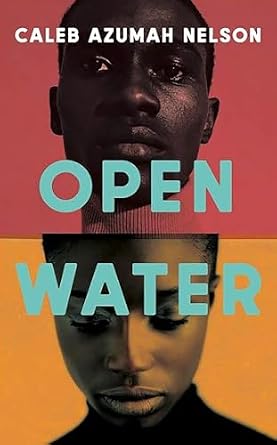
Caleb Azumah Nelson
Caleb Azumah Nelson is a British-Ghanaian writer and photographer. His debut novel, Open Water is a powerful and deeply intimate debut novel about two young Black artists in London who fall in love. Both have struggled to find their place in a world that can be both celebratory and rejecting of their identities. Their tender love story is tested by fear and violence beyond their control, as they navigate the challenges of race and masculinity in a world that sees them only as Black bodies.
Caleb Azumah Nelson’s beautiful prose and emotional intelligence offer a poignant exploration of love, vulnerability, and the search for safety in a world that can be both beautiful and cruel.

Chimamanda Ngozie Adiche
Chimamanda Ngozi Adichie grew up in Nigeria and is now a highly celebrated author. Perhaps best known for her incredible bestseller, Americanah. Americanah tells the story of Ifemelu and Obinze, two young Nigerians who leave their country for the West in search of a better life. Ifemelu heads to America, where she faces challenges and questions about her identity as a black woman.
Obinze, unable to join her in post-9/11 America, ends up in London and leads a dangerous life as an undocumented immigrant. Fifteen years later, they reunite in Nigeria and rediscover their passion for each other and their homeland. This award-winning novel explores themes of race, identity, and belonging for the African diaspora, and offers a powerful and poignant exploration of the immigrant experience.

Jericho Brown
Finally, we have Jericho Brown, a poet and author whose work explores themes of race, sexuality, and identity. His poetry collections, The Tradition has won numerous awards and accolades, including the Pulitzer Prize for Poetry. Brown’s work is known for its powerful and evocative use of language, as well as its unflinching exploration of difficult and complex issues.
The Tradition is a bold and powerful poetry collection by Jericho Brown that explores the normalization of evil at the intersection of the past and the personal. Brown’s poems examine issues of safety, freedom, and identity, and celebrate the resilience of the human spirit in the face of trauma. The collection features poems about fatherhood, legacy, blackness, queerness, worship, and more, propelled by Brown’s mastery of form and invention of the “duplex” poetic style. With its relentless quest for survival and celebration of contradiction, “The Tradition” is a necessary and cutting collection of poetry.
These are just a few of the many exciting and innovative Black authors who are changing the face of literature today. By seeking out and reading their work, we can broaden our understanding of the world and the people who inhabit it, and celebrate the power of Black storytelling.
The Importance of Reading Black Literature
Reading Black literature is crucial for several reasons. First, it provides a window into the experiences and perspectives of Black people, which are often marginalized or ignored in mainstream society. By reading works by Black authors, we can gain a deeper understanding of the challenges and struggles faced by Black people, as well as their unique perspectives on the world around them.
Second, reading Black literature can broaden our understanding of history and culture. Many works by Black authors explore the legacy of slavery and racism, as well as the ongoing struggles for equality and justice. By engaging with these works, we can gain a more nuanced and complex understanding of the history and culture of the United States and beyond.
Finally, reading Black literature is an act of celebration and support for Black authors. By seeking out and reading works by Black authors, we can help to create a more inclusive and equitable literary landscape. We can also support independent publishers and bookstores that specialize in works by Black authors, as well as Black-owned businesses. Ultimately, reading Black literature is a way to celebrate the richness and diversity of Black storytelling and to support the ongoing efforts for recognition and respect for Black authors.
A Call to Action
In conclusion, celebrating Black literature is both an act of recognition and a call to action. By acknowledging the many struggles that Black writers have faced over the years, we can better appreciate the incredible talent and creativity that they have brought to the literary world. By actively seeking out and supporting Black literature, we can help to create a more inclusive and equitable literary landscape. And by celebrating the richness and diversity of Black storytelling, we can gain a deeper appreciation for the power of literature to shape our understanding of the world around us.
As an Amazon Associate we earn from qualifying purchases made through links on this page.


