Lawrence Grobel: The Books Behind The King Of Interviews
Lawrence Grobel’s reading list
41 books mentioned in this interview
- Vernon God Little · DBC Pierre
- How Proust Can Change Your Life · Alain de Botton
- B and Me · J.C. Hallman
- Sextet · John Malcolm Brinnin
- Shakespeare’s Tremor and Orwell’s Cough · John Ross
- A Century of Sonnets · James A. Michener
- Chronicles · Bob DylanRecommended 3 times
- No Laughing Matter · Joseph Heller and Speed Vogel
- Everyman’s Joyce · Terrence Gordon, Eri Hamaji and Jacob Albert
- The Storyteller · Mario Vargas Llosa
- Scratch · Manjula Martin
- In Paradise · Peter Matthiessen
- Redeployment · Phil Klay
- Homegoing · Yaa GyasiRecommended 5 times
- The Hardy Boys · Franklin W. DixonRecommended 8 times
- The Catcher in the Rye · J.D. SalingerRecommended 26 times
- Siddhartha · Herman HesseRecommended 5 times
- Crime and Punishment · Fyodor DostoyevskyRecommended 12 times
- Catch-22 · Joseph HellerRecommended 12 times
- Martin Eden · Jack London
- Portrait of the Artist as a Young ManRecommended 5 times
- Ulysses · James JoyceRecommended 8 times
- The Ginger Man · J.P. Donleavy
- Woodcutters · Thomas Bernhard
- The Lost City of Z · David Grann
- The Plot Against America · Philip Roth
- 1984 · George OrwellRecommended 22 times
- The Trial · Franz KafkaRecommended 4 times
- Finnegans Wake · James JoyceRecommended 3 times
- Henderson the Rain King · Saul Bellow
- A Girl is a Half-Formed Thing · Eimear McBride
- The Flame Alphabet · Ben Marcus
- Beatlebone · Kevin Barry
- A Confederacy of Dunces · John Kennedy TooleRecommended 12 times
- Hunters and Gatherers · Geoff Nicholson
- Search Sweet Country · B. Kojo Laing
- No Sweetness Here · Ama Ata Aidoo
- The Moviegoer · Walker Percy
- Another Little Piece of My Heart · Richard Goldstein
- You Show Me Yours
- You, Talking to Me
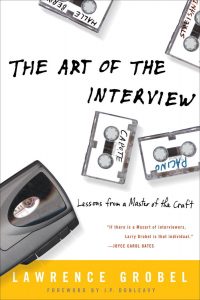
Books by Lawrence Grobel: The Art of the Interview, Conversations with Capote
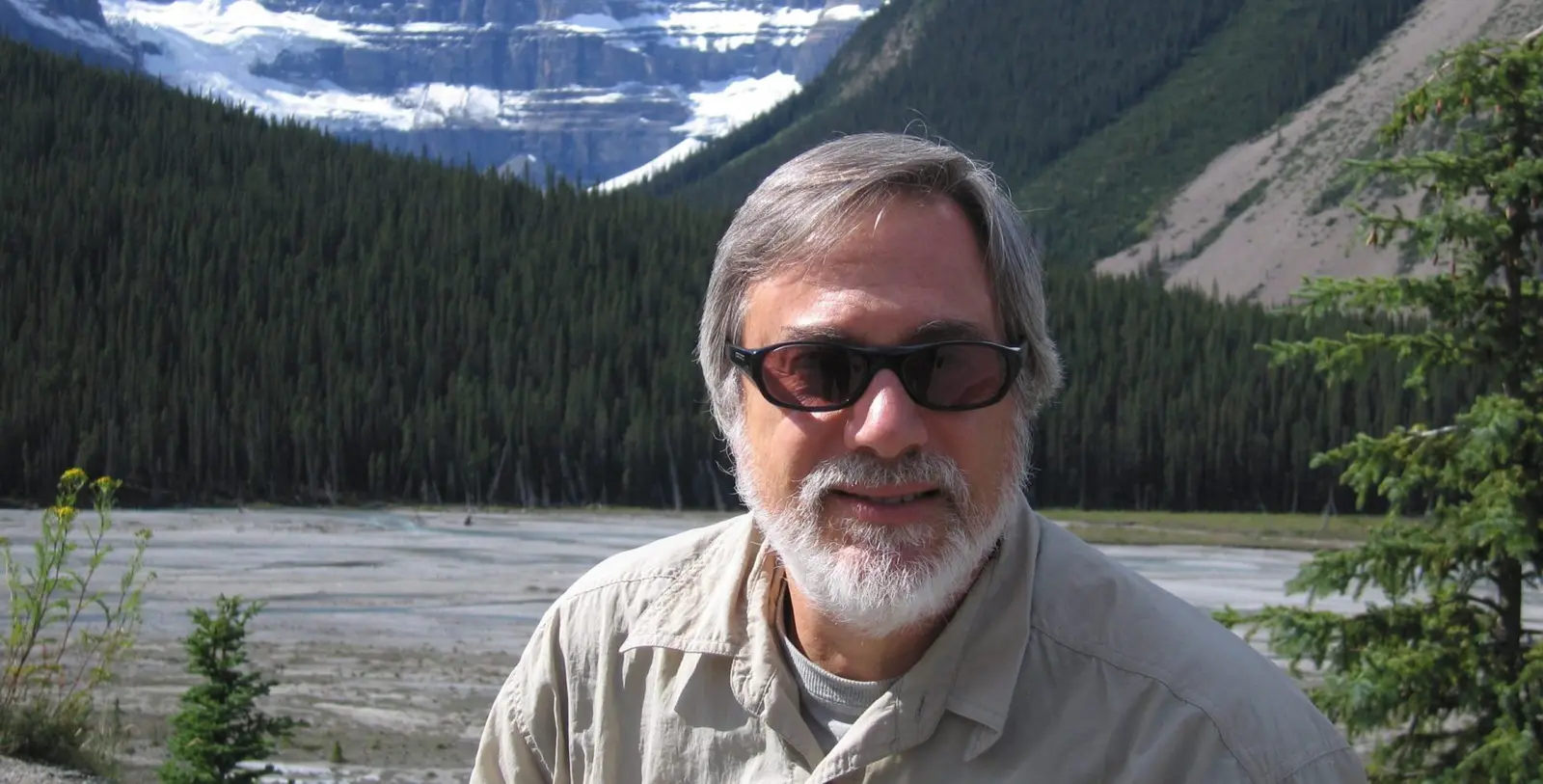
Lawrence Grobel is a prolific writer, with 25 books to his name. On top of that, Lawrence has also written for numerous national magazines and newspapers including the New York Times, Newsday, Rolling Stone, Entertainment Weekly, Reader’s Digest, Cosmopolitan, Penthouse, Writer’s Digest, and many more. Lawrence Grobel has been a contributing editor at Playboy, Movieline, Hollywood Life, Autograph, New Zealand’s World, Bulgaria’s Ego, and Poland’s Trendy magazines. Between 1968-71, Lawrence taught in the Peace Corps at the Ghana Institute of Journalism in West Africa. He also created the MFA in Professional Writing program for Antioch University in 1977, as well as serving as its Director for three years. His 1985 book Conversations with Capote received a PEN Special Achievement award and reached the top of the Village Voice’s bestseller list. Lawrence Grobel has been described as ‘the Mozart of interviewers’, and ‘the most intelligent interviewer in the United States’. From 2001—2011, Lawrence taught seminars on The Art of the Interview, The Literature of Journalism, Articles to Film, and Autobiography & the Memoir at UCLA, and returned to teach again in 2017. Each November since 2007 he has served as a jury member at the Camerimage Film Festival in Poland. In 2013 Lawrence Grobel appeared as himself in Al Pacino’s film Wilde Salome and Shane Salerno’s film about J.D. Salinger. I learned of Lawrence and his incredible back catalogue of work, when my girlfriend purchased me The Art of the Interview when I set out on launching The Reading Lists. So, now I have a chance to interview one of the world’s most renowned and respected interviewers. Please enjoy my interview with Lawrence Grobel…**

When someone asks you ‘what do you do for a living?’ – How do you respond?
I’m a writer.
What are you reading at the moment?
In no particular order and, all at the same time:
Vernon God Little by DBC Pierre; How Proust Can Change Your Life by Alain de Botton; B and Me by J.C. Hallman; Sextet by John Malcolm Brinnin; Shakespeare’s Tremor and Orwell’s Cough by John Ross; A Century of Sonnets by James A. Michener; Chronicles by Bob Dylan; No Laughing Matter by Joseph Heller and Speed Vogel; Everyman’s Joyce by Terrence Gordon, Eri Hamaji and Jacob Albert; The Storyteller by Mario Vargas Llosa; Scratch by Manjula Martin; In Paradise by Peter Matthiessen; Redeployment by Phil Klay and Homegoing by Yaa Gyasi.
- Vernon God Little by DBC Pierre
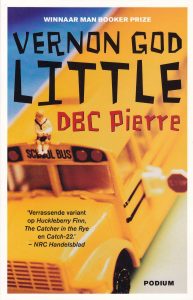 Vernon God Little by DBC Pierre
- How Proust Can Change Your Life by Alain de Botton
 How Proust Can Change Your Life by Alain de Botton
- B and Me by J.C. Hallman
 B and Me by J.C. Hallman
- Sextet by John Malcolm Brinnin
 Sextet by John Malcolm Brinnin
- Shakespeare’s Tremor and Orwell’s Cough by John Ross
 Shakespeare’s Tremor and Orwell’s Cough by John Ross
- A Century of Sonnets by James A. Michener
 A Century of Sonnets by James A. Michener
- Chronicles by Bob Dylan
 Chronicles by Bob Dylan
- No Laughing Matter by Joseph Heller and Speed Vogel
 No Laughing Matter by Joseph Heller and Speed Vogel
- Everyman’s Joyce by Terrence Gordon, Eri Hamaji and Jacob Albert
 Everyman’s Joyce by Terrence Gordon, Eri Hamaji and Jacob Albert
- The Storyteller by Mario Vargas Llosa
 The Storyteller by Mario Vargas Llosa
- Scratch by Manjula Martin
 Scratch by Manjula Martin
- In Paradise by Peter Matthiessen
 In Paradise by Peter Matthiessen
- Redeployment by Phil Klay
 Redeployment by Phil Klay
- Homegoing by Yaa Gyasi
 Homegoing by Yaa Gyasi
When you think about your childhood, what book comes to mind?
I think about The Hardy Boys by Franklin W. Dixon; The Catcher in the Rye by J.D. Salinger; Siddhartha by Herman Hesse; Crime and Punishment by Fyodor Dostoyevsky; and Franz Kafka’s stories.


What did you want to be when you were growing up?
I wanted to be a writer.
What do you think your school aged self would think of the present day you?
He’d have preferred more fiction.
If you could wrap up a single book and gift it to yourself as you left education – which book would it be?
Probably a book about how to play the stock market and come out ahead.
Does your reading have routine? Is there a particular time or place that you like to read?
No. I read throughout the day when I’m not writing. I read every night for an hour or two. Unfortunately, I spend more time reading magazines than I do the books I know I should be reading.
Which book has had the biggest impact on your career so far? How did it impact it?
Martin Eden by Jack London: Read it when I was 15. Gave me a sense of a writer’s life, and to believe in yourself and not in the opinions of editors who reject you. Ending was a bit grim though. Would like to avoid that.
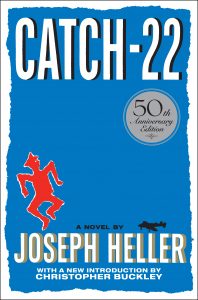
Catch-22 by Joseph Heller: Also, when I was 15 and working a summer job at a pharmaceutical warehouse. Dismal, backbreaking work, but spent lunch time and coffee break reading this. Lifted my spirits. Made me laugh. At least through most of it. Also made me see the folly of war, which influenced me when I became eligible for the draft. Joined the Peace Corps.
Portrait of the Artist as a Young Man & Ulysses by James Joyce: Joyce blew my mind and gave me a goal. Could I ever write something as good as these books? Messed with my head for years, as each novel I wrote got shelved because they weren’t “good enough.” Finally came to my own epiphany: Joyce was a genius. I’m not. That freed me.
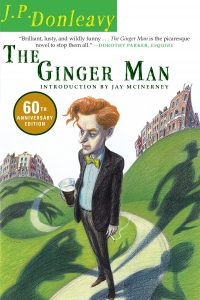
The Ginger Man by J.P. Donleavy: Discovered this in college and saw how he was able to take a certain style from Joyce and make it his own. I loved this book and made a point to interview Donleavy in Ireland. We continue to stay in touch, though he is getting on in years.
T.S. Eliot’s poetry: The Love Song of J. Alfred Prufrock,” “The Waste Land,” and “The Four Quartets” (my personal I Ching). The rhythms of good writing.


Do you have any books that you strongly associate with someone important in your life?
Crime and Punishment by Fyodor Dostoyevsky: My friend Paul Singer forgot we were supposed to go bowling because he got so engrossed in this book. Made me wonder what book could do that when you’re 14. So, I read it and found out. Paul now designs the covers for my last ten books.
The Ginger Man by J.P. Donleavy: The writer Bernard Wolfe (Limbo, Come on Out Daddy, The Great Prince Died, Really the Blues) suggested Donleavy to me my sophomore year at UCLA. Very influential.
What book have you recommended the most to friends and family?
The books I’ve recommended most are Catch-22 by Joseph Heller; The Ginger Man by J.P. Donleavy; and much of Philip Roth, Saul Bellow, and James Joyce

Do you prefer fiction or non-fiction?
I prefer fiction.
Do you think reading is important?
Yes.
What’s the best book you’ve read in the last 6 months?
The best books I’ve read in the last six months are Woodcutters by Thomas Bernhard and The Lost City of Z by David Grann.


Do you prefer real books or digital books?
Real.
Name a book that you feel everyone would benefit from reading and explain why.
With Mr. Trump in the White House, The Plot Against America by Philip Roth, 1984 by George Orwell, and The Trial by Franz Kafka would be a start.


What is the book that you feel has had the single biggest impact on your life? What impact did it have?
Ulysses & Finnegans Wake by James Joyce: Made me see how far the imagination can go.
The Ginger Man by J.P. Donleavy: Energized me.
Henderson the Rain King by Saul Bellow: I related to the voice inside saying: “I want. I want.” And to the location. Though Bellow never went to Africa, I did, and lived there for 3 years.


Are there any books you haven’t mentioned that you feel would make your reading list?
Too many to list. The works of Cormac McCarthy, Norman Mailer, Marcel Proust, Don DeLillo, Toni Morrison, Alice Munro, Nicholson Baker, Truman Capote, John Updike, Elmore Leonard, Thomas Harris, Shakespeare’s plays…
What books or subject matter do you plan on reading in the next year?
In the next year, I plan to read the following:
A Girl is a Half-Formed Thing by Eimear McBride; The Flame Alphabet by Ben Marcus; Beatlebone by Kevin Barry; A Confederacy of Dunces by John Kennedy Toole; Hunters and Gatherers by Geoff Nicholson; Search Sweet Country by B. Kojo Laing; No Sweetness Here by Ama Ata Aidoo; The Moviegoer by Walker Percy and Another Little Piece of My Heart by Richard Goldstein.
- A Girl is a Half-Formed Thing by Eimear McBride
 A Girl is a Half-Formed Thing by Eimear McBride
- The Flame Alphabet by Ben Marcus
 The Flame Alphabet by Ben Marcus
- Beatlebone by Kevin Barry
 Beatlebone by Kevin Barry
- A Confederacy of Dunces by John Kennedy Toole
 A Confederacy of Dunces by John Kennedy Toole
- Hunters and Gatherers by Geoff Nicholson
 Hunters and Gatherers by Geoff Nicholson
- Search Sweet Country by B. Kojo Laing
 Search Sweet Country by B. Kojo Laing
- No Sweetness Here by Ama Ata Aidoo
 No Sweetness Here by Ama Ata Aidoo
- The Moviegoer by Walker Percy
 The Moviegoer by Walker Percy
- Another Little Piece of My Heart by Richard Goldstein
 Another Little Piece of My Heart by Richard Goldstein
If you were to write an autobiography – what would it be called?


If you’d like to learn more about Lawrence Grobel, you can find him on his website and Facebook.
As an Amazon Associate we earn from qualifying purchases made through links on this page.