Alex Cuadros: Brazil, Billionaires and Books
Alex Cuadros’ reading list
13 books mentioned in this interview
- Joe Gould’s Teeth · Jill Lepore
- Pulphead: Essays · John Jeremiah Sullivan
- The Gunslinger · Stephen King
- Palestine Inside Out · Saree Makdisi
- Invisible Hands · Kim Phillips-Fein
- The Wisdom of Whores · Elizabeth Pisani
- City of Oranges · Adam LeBor
- Howl · Allen GinsbergRecommended 3 times
- The Rachel Papers · Martin Amis
- A History of the World in 10 1/2 Chapters · Julian Barnes
- Ghettoside · Jill Leovy
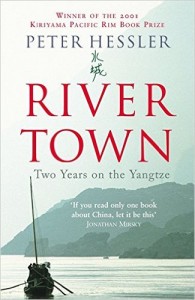
- River Town · Peter Hessler
- Liar’s Poker · Michael Lewis
Books by Alex Cuadros: Brazillionaires
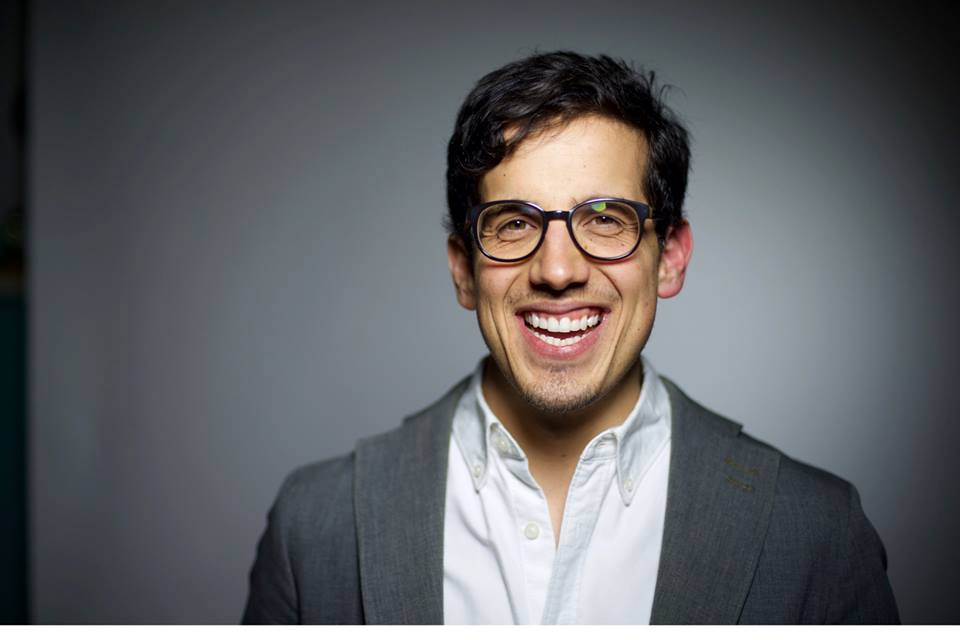
Alex Cuadros is a freelance writer who has written for notable publications such as The Atlantic, Bloomberg Businessweek, The New Yorker, The New York Times, Time, The Washington Post, and other places. Alex has gone on to write a book titled Brazillionaires, where he covers Brazil’s billionaires. This was a logical step for Alex, as he was working for Bloomberg covering the ultra-rich full-time, whilst living in São Paulo. Alex Cuadros has now moved back to New York. I was excited to learn about Alex’s favourite books and see if I could find out what has inspired him to become such a prolific writer. So, here is my interview with the wonderful Alex Cuadros…

When someone asks you ‘what do you do for a living?’ – How do you respond?
I usually say I’m a journalist, because saying I’m a writer sounds pretentious. When I used to cover the ultra-rich as a full-time job for Bloomberg News, my title was “billionaires reporter,” but I usually held back on that, too.
What are you reading at the moment?
Right now I’m reading Pulphead: Essays by John Jeremiah Sullivan, who has a style very much his own and a rare talent to mix a casual voice with easy humor and then suddenly dive into these deep reflections on subjects that I personally would struggle to turn into actual stories. And I just started Joe Gould’s Teeth by Jill Lepore, because I loved Joseph Mitchell’s old New Yorker pieces on Joe Gould.


When you think about your childhood, what book comes to mind?
The Gunslinger by Stephen King. I first fell in love with reading with books like this one—fantastical, apparently commercial (or at least marketed as such), but which was the perfect thing for my boy-imagination. It took much longer for me to get into “serious” books.

What did you want to be when you were growing up?
I knew from a pretty young age that I wanted to be a writer. In fourth and fifth grade I had an amazing teacher named Sandy Lethem who gave us long fiction-writing assignments, and I loved these. But even into college, I imagined I would write fiction or poetry. It was only later that I got into journalism, and discovered nonfiction as a literary form, too.
What do you think your school aged self would think of the present day you?
Probably shocked that I could possibly be interested in the world of money, which always seemed so boring to me. But I always had a problem with authority, so I’d hope that my school-aged self would appreciate how I try to hold powerful people’s feet to the fire.
Does your reading have routine? Is there a particular time or place that you like to read?
I almost always read in bed before going to sleep. It’s the only way I can slow down my brain after a usual day of absorbing ridiculous amounts of news and social media. While researching my book, though, I often read for hours a day, most often while lying on the floor of my living room, which I found to be the most comfortable position for my back.
Which book has had the biggest impact on your career so far?
After college, I worked as an editorial assistant at the publishing house W. W. Norton. I had never been very interested in nonfiction before, but I worked on a lot of nonfiction books while there, and this is really what turned me onto this form of writing. Some of the books I most enjoyed working on while there were: Invisible Hands by Kim Phillips-Fein, The Wisdom of Whores by Elizabeth Pisani, City of Oranges by Adam LeBor, and Palestine Inside Out by Saree Makdisi.


Do you have any books that you strongly associate with someone important in your life?
My godfather, David Sullivan, took it upon himself to expand my literary horizons since I was a kid. When he gave me a copy of Howl by Allen Ginsberg, I was 16 and I became totally obsessed with it. Later he turned me onto The Rachel Papers by Martin Amis and A History of the World in 10 1/2 Chapters by Julian Barnes. I still have a few books on my shelf that he gave me before his death in 2013 that I need to read.


Do you prefer fiction or non-fiction?
I love fiction, but I rarely read it these days. The stakes are higher. If a novel isn’t very good, you don’t get much from it. If a nonfiction book isn’t very good, you may at least learn something. And yet when I think of my favorite authors, many of them are fiction-writers: Jorge Luis Borges, David Foster Wallace, Saul Bellow.
Do you think reading is important?
I think the world might be a better place if people read more books (and not just because it would grow the market I’m trying to sell my work to).
What’s the best book you’ve read in the last 6 months?
I just finished reading Ghettoside by Jill Leovy, which is about black-on-black homicide in South Central Los Angeles. This book really has everything. She got such intimate access to the people in her book; there were a couple of moments where I was actually brought near tears. But it’s also riveting, with the pace of a crime thriller. And on top of all that, she has a bold, convincing thesis about why this kind of crime thrives in these neighborhoods.

Do you prefer real books or digital books?
I strongly prefer print books. I like to write in the margins, dog-ear pages, and it’s just not the same to make these markings on a Kindle. And I like to see the books on my shelf. It’s my one true material fetish.
Name a book that you feel every human should have to read by law.
I don’t think there is one.
Are there any books you haven’t mentioned that you feel would make your reading list?
River Town by Peter Hessler and Liar’s Poker by Michael Lewis have both been important references for me, in terms of style and how to put together a narrative.


What books or subject matter do you plan on reading in the next year?
Because of my work, over the past few years I’ve read a lot about Brazilian history, billionaires, and business in general. Now that I’m back in the U.S., I want to read a lot more American history. And to keep myself from becoming too specialized or pigeonholed, I want to read more essays and literary nonfiction.
If you were to write an autobiography – what would it be called?
Ha! I couldn’t possibly imagine at 33 years old.
If you’d like to learn more about Alex Cuadros, you can find him on his website and Twitter.
As an Amazon Associate we earn from qualifying purchases made through links on this page.