Alec Ross: If You Don’t Read, You Cannot Be Wise.
Alec Ross’ reading list
27 books mentioned in this interview
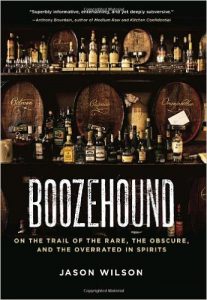
- Boozehound · Jason Wilson
- Bright, Precious Days · Jay McInerney
- The Wrecking Yard · Pinckney Benedict
- The Great Gatsby · F. Scott FitzgeraldRecommended 17 times
- I Know Why the Caged Bird Sings · Maya AngelouRecommended 5 times
- The Jungle · Upton Sinclair
- The Grapes of Wrath · John SteinbeckRecommended 8 times
- Cry, the Beloved Country · Alan Paton
- A Raisin in the Sun · Lorraine Hansberry
- The Collected Poems of Langston Hughes
- The Other Side of the River · Alex Kotlowitz
- A Hope in the Unseen · Ron Suskind
- Makes Me Wanna Holler · Nathan McCall
- Push · Sapphire
- The Corner: A Year in the Life of an Inner-City Neighborhood · David Simon and Ed Burns
- I, ClaudiusRecommended 3 times
- Claudius the God and His Wife Messalina · Robert Graves
- Plutocrats · Chrystia Freeland
- Originals · Adam GrantRecommended 4 times
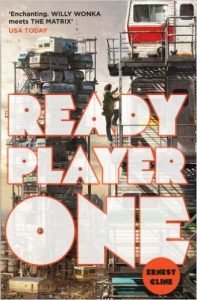
- Ready Player One · Ernest ClineRecommended 6 times
- All the King’s Men · Robert Penn Warren
- A Man in Full · Tom Wolfe
- The Wise Men: Six Friends and the World They Made · Walter Isaacson and Evan Thomas
- The Short Novels of John Steinbeck
- Rabbit Angstrom: A Tetralogy · John Updike
- Brightness Falls · Jay McInerney
- The Privileges · Jonathan Dee
Books by Alec Ross: The Industries of the Future
Alec Ross is a Distinguished Visiting Fellow at Johns Hopkins University as well as the author of The Industries of the Future, a book that is not only a bestseller, but has recently been featured on ‘Amazon’s Best Books of 2016’ list. Alec has served as an advisor to numerous investors, companies and government leaders, with his most recent work being with Secretary of State Hillary Clinton. His role was as the Senior Advisor for Innovation, a role that was created specifically for him with the goal of maximising the potential of technology and innovation in service of America’s diplomatic goals. Before this, Alec Ross also served as the Convener for the Technology, Media & Telecommunications Policy Committee on Barack Obama’s 2008 presidential campaign.
Alec’s book, The Industries of the Future explores what the technological and economic landscape will look like in ten years, from cybersecurity to code-ification of money, markets and trust. The book has been a huge success, having gone in to it’s 8th printing and the rights have been sold for translations in 18 different languages. Alec Ross has been listed as one of the top 100 global thinkers by Foreign Policy Magazine, and has also received the U.S. Department of State Distinguished Honor Award. He has also co-founded, along with 3 previous colleagues, a technology-focused social enterprise and has grown it into a global organisation that serves millions of individuals with low-income, across four continents. So, if you hadn’t established it yet – Alec Ross is quite a remarkable person; one who we are incredibly excited to be able to associate our project with. Please enjoy my interview with the highly successful, Alec Ross…

When someone asks you ‘what do you do for a living?’ – How do you respond?
I tend to go into a 2 minute explanation about being an author, an advisor to start-ups, leading a policy team for a presidential campaign and one or two other things.
What are you reading at the moment?
I’m reading the recently published novel Bright, Precious Days by Jay McInerney and Boozehound by Jason Wilson, which is raising my IQ about spirits.


When you think about your childhood, what book comes to mind?
The Wrecking Yard by Pinckney Benedict. It’s a compilation of short stories by a West Virginian author that animates the very distinct piece of Appalachia where I grew up.

What did you want to be when you were growing up?
President of the United States.
What do you think your school aged self would think of the present day you?
I think he’d be impressed by how much of the world I’ve traveled but less impressed by the degree to which I’ve shaped that world. My school-aged self had immodest ambitions.
If you could wrap up a single book and gift it to yourself as you left education – which book would it be?
The Great Gatsby by F. Scott Fitzgerald. I know that might seem ridiculous, but the lessons from that book about ambition, artifice, love and not-love would serve any young person leaving education well. Better that than a business book.

Does your reading have routine? Is there a particular time or place that you like to read?
I tend to read on planes and trains. That might seem limiting, but if you knew how much I traveled you would not think so. In the last six years I have probably traveled two million miles to fifty countries. During the four years I was in government, any day that I was not on a plane meant that I was on an hour-long train ride at the beginning and end of the day.
Which book has had the biggest impact on your career so far?
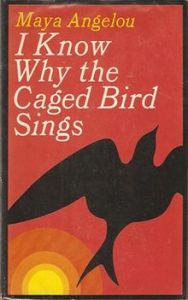
When I was quite young, I read from what I suppose you could call the “liberal’s cannon for literature”. This included The Jungle by Upton Sinclair, I Know Why the Caged Bird Sings by Maya Angelou, The Grapes of Wrath by John Steinbeck, Cry, the Beloved Country by Alan Paton, A Raisin in the Sun by Lorraine Hansberry and The Collected Poems of Langston Hughes. These books set me on the path I am still on today working for social and economic justice. There was not one book that created an intellectual and emotional tipping point, it was all of them. Then toward the end of college and at the beginning of my career when I was a 6th grade teacher in a very poor, very violent part of Baltimore I read its modern, urban antecedents, works like The Other Side of the River by Alex Kotlowitz, A Hope in the Unseen by Ron Suskind, Makes Me Wanna Holler by Nathan McCall, Push by Sapphire and The Corner: A Year in the Life of an Inner-City Neighborhood by David Simon and Ed Burns. These books drove decades worth of focus on fighting urban poverty and injustice.
- The Jungle by Upton Sinclair
 The Jungle by Upton Sinclair
- I Know Why the Caged Bird Sings by Maya Angelou
 I Know Why the Caged Bird Sings by Maya Angelou
- The Grapes of Wrath by John Steinbeck
 The Grapes of Wrath by John Steinbeck
- Cry, the Beloved Country by Alan Paton
 Cry, the Beloved Country by Alan Paton
- A Raisin in the Sun by Lorraine Hansberry
 A Raisin in the Sun by Lorraine Hansberry
- The Collected Poems of Langston Hughes
 The Collected Poems of Langston Hughes
- The Other Side of the River by Alex Kotlowitz
 The Other Side of the River by Alex Kotlowitz
- A Hope in the Unseen by Ron Suskind
 A Hope in the Unseen by Ron Suskind
- Makes Me Wanna Holler by Nathan McCall
 Makes Me Wanna Holler by Nathan McCall
- Push by Sapphire
 Push by Sapphire
- The Corner: A Year in the Life of an Inner-City Neighborhood by David Simon and Ed Burns
 The Corner: A Year in the Life of an Inner-City Neighborhood by David Simon and Ed Burns
Do you have any books that you strongly associate with someone important in your life?
When I was 12 years old, I lived in Italy with my grandparents in Rome for a year. Rome is one of those places where the past feels present. The fictionalized accounts of ancient empires by Mary Renault, and I, Claudius and Claudius the God and His Wife Messalina by Robert Graves bring my late grandfather back to life in my mind.


What book have you recommended the most to friends and family?
The book I’ve recommended most is Plutocrats by Chrystia Freeland.

Do you prefer fiction or non-fiction?
I read more non-fiction but I learn more from fiction. I suppose I prefer great fiction to great non-fiction and I prefer good or mediocre non-fiction to good or mediocre fiction.
Do you think reading is important?
Oh my goodness, yes! People who don’t read are missing something important, something essential. I don’t care how intelligent you are, if you don’t read, you cannot be wise.
What’s the best book you’ve read in the last 6 months?

Do you prefer real books or digital books?
Real, dead wood books.
Name a book that you feel every human should have to read by law.

What is the book that you feel has had the single biggest impact on your life?
I know, live and work in the realm where the exercise of geopolitical power takes place. Three books that taught me a great deal about power are: All the King’s Men by Robert Penn Warren, A Man in Full by Tom Wolfe and The Wise Men: Six Friends and the World They Made by Walter Isaacson and Evan Thomas.
- All the King’s Men by Robert Penn Warren
 All the King’s Men by Robert Penn Warren
- A Man in Full by Tom Wolfe
 A Man in Full by Tom Wolfe
- The Wise Men: Six Friends and the World They Made by Walter Isaacson and Evan Thomas
 The Wise Men: Six Friends and the World They Made by Walter Isaacson and Evan Thomas
Are there any books you haven’t mentioned that you feel would make your reading list?
I don’t know if any of them qualify as great literature, but some novels that affected me when I read them over the past several decades include The Short Novels of John Steinbeck which includes Tortilla Flat, Cannery Row and Sweet Thursday, Rabbit Angstrom: A Tetralogy by John Updike, Brightness Falls by Jay McInerney, The Privileges by Jonathan Dee and Rick Bass’ short stories.


What books or subject matter do you plan on reading in the next year?
I really, really hope that I invert the ratio of recent years’ reading which has been 80/20 nonfiction/fiction. Nothing would make me happier than to be able to intellectually detach from present circumstances and read less business and political books, and more fiction.
If you were to write an autobiography – what would it be called?
Incomplete.
If you’d like to learn more about Alec Ross, you can find him on his website, Facebook and Twitter.
As an Amazon Associate we earn from qualifying purchases made through links on this page.