The Best Books on Propagating Plants
In this list
10 books
- The Well-Tended Perennial Garden · Tracy DiSabato-Aust This
- The Flower Farmer: An Organic Grower’s Guide to Raising and Selling Cut Flowers · Lynn Byczynski Don’t le
- The Pruning Book · Lee Reich While
- Botany for Gardeners · Brian Capon This
- The New Plant Parent: Develop Your Green Thumb and Care for Your House-Plant Family · Darryl Cheng Cheng
- The Vegetable Gardener’s Bible · Edward C. Smith Smith’s
- The Orchid Whisperer · Bruce Rogers For
- The Herb Garden Cookbook · Lucinda Hutson While
- The Well-Tempered Garden · Christopher Lloyd Lloyd’s
- Grow Great Grub · Gayla Trail Trail’s
There’s something almost magical about turning one plant into many. Whether you’re dreaming of filling your home with lush greenery without breaking the bank, or you want to share your favorite plants with friends and family, plant propagation opens up a world of possibilities. But where do you start? While YouTube videos and Instagram posts can offer quick tips, nothing beats a comprehensive book that you can reference again and again, with detailed photos, troubleshooting guides, and expert advice at your fingertips.
The best propagation books strike that perfect balance between being accessible to nervous beginners and detailed enough for experienced gardeners looking to expand their skills. Each of the books listed below has earned its reputation as a go-to guide for anyone serious about multiplying their plant collection.

This comprehensive guide has been the gold standard for perennial gardeners for decades, and its propagation advice is second to none. DiSabato-Aust doesn’t just tell you how to divide plants – she explains when, why, and exactly what to expect from each method.
What sets this book apart is its plant-by-plant approach. You’ll find specific propagation instructions for hundreds of perennials, complete with timing charts and troubleshooting tips. The author’s warm, encouraging tone makes even the most intimidating techniques feel achievable, while her decades of hands-on experience shine through every page.

Don’t let the commercial focus fool you – this book isn’t just for professional flower farmers. Byczynski’s expertise in starting thousands of plants from seed and cuttings translates perfectly to home gardeners who want professional-level results. Her propagation methods are tried and true, developed through years of commercial growing where plants must actually thrive and produce.
The book excels at teaching you to think like a propagator, understanding the why behind each technique rather than just following steps blindly. Her sections on seed starting and cutting propagation are particularly strong, with clear explanations of what success looks like at each stage. The focus on organic methods makes it especially valuable for home gardeners concerned about chemical inputs.

While primarily focused on pruning, Reich’s book contains some of the clearest explanations of cutting propagation you’ll find anywhere. His scientific background combined with practical gardening experience creates a perfect blend of theory and application that helps you understand not just how to take cuttings, but why certain methods work better than others.
Reich has a gift for explaining complex plant physiology in simple terms, making this book invaluable for gardeners who want to understand the science behind successful propagation. His troubleshooting sections are particularly helpful when things don’t go according to plan.

This isn’t strictly a propagation book, but it’s an essential foundation for anyone serious about plant multiplication. Capon explains plant biology in an accessible way that transforms you from someone who follows propagation recipes to someone who understands why they work.
Understanding how plants actually grow, reproduce, and respond to different conditions makes you a much more successful propagator. You’ll find yourself able to adapt techniques to different situations and troubleshoot problems with confidence. It’s the kind of book that makes you feel smarter about plants with every chapter.
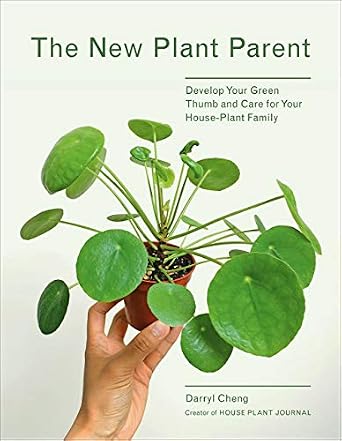
Cheng brings a refreshingly scientific approach to houseplant care and propagation that cuts through social media myths with actual data and testing. His engineering background shows in his systematic approach to understanding what plants really need to thrive and reproduce successfully indoors.
This book is perfect for the analytically-minded gardener who wants to understand the measurable factors that lead to propagation success. Cheng’s experiments and data-driven approach help you optimize conditions for better results, whether you’re rooting cuttings on a windowsill or setting up a more elaborate propagation system. His Instagram account @houseplantjournal has built a massive following precisely because his methods work consistently.

Smith’s square foot gardening approach revolutionized vegetable growing, and his propagation advice is equally practical and space-efficient. This book excels at showing beginners how to start their own vegetable plants from seed, with detailed timing charts and space-saving techniques.
The strength of this book lies in its systematic approach and clear organization. Smith breaks down seed starting into manageable steps and provides excellent troubleshooting advice for common problems. His methods are particularly valuable for gardeners working with limited space who want to maximize their growing success.
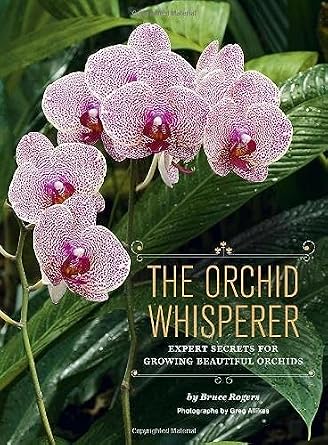
For those drawn to the fascinating world of orchid propagation, Rogers’ book is the definitive guide. He demystifies what many consider the most challenging form of plant propagation with clear, step-by-step instructions and plenty of encouragement for nervous beginners.
Rogers has decades of experience growing orchids commercially, and his practical advice reflects real-world conditions rather than theoretical ideals. His sections on division, keiki propagation, and growing from seed are particularly valuable, with honest discussions of what to expect and how to avoid common pitfalls.
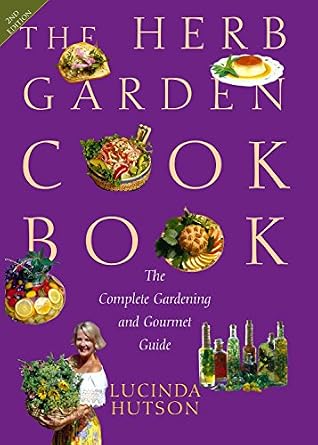
While this book combines gardening with cooking, its propagation advice for herbs is outstanding. Hutson understands that herb gardeners often want to multiply their favorite varieties quickly and efficiently, and her techniques reflect this practical approach.
The book shines in its coverage of herb-specific propagation methods, from dividing perennial herbs to rooting tender herb cuttings. Hutson’s enthusiasm for herbs is infectious, and her clear instructions make it easy to keep your favorite flavors growing year after year.

Lloyd’s classic British gardening wisdom includes some of the most thoughtful propagation advice you’ll find anywhere. His approach is less systematic than some modern books, but his deep understanding of plants and their needs provides insights that remain relevant decades after publication.
What makes this book special is Lloyd’s ability to see propagation as part of the larger garden picture. He helps you understand when and why to propagate different plants, not just how to do it. His writing style is engaging and often humorous, making complex topics feel approachable.

Trail’s focus on small-space food growing includes excellent propagation advice for gardeners working with containers, balconies, and tiny yards. Her techniques are adapted for urban conditions and limited space, making propagation accessible even in challenging environments.
The book’s strength lies in its realistic approach to small-space challenges and its emphasis on varieties that propagate easily and perform well in containers. Trail’s encouraging tone and practical advice make it easy to get started, even if you’re working with just a sunny windowsill.
The best propagation book for you depends on your specific interests and experience level, but any of these titles will provide a solid foundation for multiplying your plants successfully. Consider starting with one or two books that match your current gardening situation, then expanding your library as your skills and interests grow.
Remember that propagation is both an art and a science – these books provide the knowledge foundation, but success comes from practice, patience, and learning from both failures and successes. With good guidance from expert authors and hands-on experience in your own garden, you’ll soon discover the joy of turning one beloved plant into many, sharing your favorites with friends, and never having to pay full price for plants again!
If you enjoyed this article, you might also be interested in reading about the best books on bonsai.
As an Amazon Associate we earn from qualifying purchases made through links on this page.