The Best Books for Fans of R.F. Kuang
In this list
15 books
- The Poppy War trilogy
- Yellowface
- Katabasis
- The Fifth Season · N.K. Jemisin N.K. Jemisin’s Broken E
- Broken Earth trilogy
- She Who Became the Sun · Shelley Parker-Chan Parker-Chan’s
- The Radiant Emperor duology
- The Water Will Come · Jeff Goodell
- The Priory of the Orange Tree · Samantha Shannon Shannon’s
- The Secret History · Donna Tartt Tartt’s da
- The Goblin Emperor · Katherine Addison Don’t le
- The Calculating Stars · Mary Robinette Kowal This
- The Jasmine Throne · Tasha Suri Suri’s
- Klara and the Sun · Kazuo Ishiguro Ishiguro’s la
- Black Sun · Rebecca Roanhorse Roanhorse’s
If you’ve devoured every word R.F. Kuang has written—from the brutal brilliance of The Poppy War trilogy to the razor-sharp satire of Yellowface, and her latest immediate bestseller Katabasis—you’re probably experiencing that familiar reader’s dilemma: what on earth do you read next? You’ve been spoiled by Kuang’s fearless storytelling, her ability to weave together complex themes of power, identity, and historical trauma with prose that cuts straight to the bone.
What makes R.F. Kuang such a magnetic force in contemporary literature? It’s her unflinching examination of difficult topics, her masterful world-building that draws from real historical events, and her complex characters who are neither wholly good nor entirely evil. Whether she’s exploring the horrors of war through fantasy elements or dissecting the publishing industry’s treatment of marginalized voices, Kuang never takes the easy path. Her work challenges readers while delivering the kind of addictive storytelling that keeps you turning pages long past bedtime.
For fans craving that same literary intensity, we’ve curated a collection of books that capture different aspects of what makes Kuang’s work so compelling. From epic fantasy sagas to contemporary fiction that tackles systemic issues, these recommendations will feed your need for smart, uncompromising storytelling.

N.K. Jemisin’s Broken Earth trilogy opener is a masterclass in world-building that rivals Kuang’s Poppy War series. Set on a world plagued by apocalyptic seismic events, the story follows Essun, a woman searching for her daughter in a landscape both literally and figuratively shattered.
What makes this book exceptional is Jemisin’s innovative narrative structure and her unflinching exploration of oppression. Like Kuang, she uses fantastical elements to examine real-world issues—in this case, systemic racism and environmental destruction. The magic system is intrinsically tied to the world’s geology, creating a story where power literally moves the earth. Jemisin’s prose has that same sharp edge that Kuang fans love, never shying away from brutal truths about how societies treat their most vulnerable members.
If you were captivated by Rin’s journey and the way Kuang explores the cost of power, you’ll be mesmerized by Essun’s story. Both authors create protagonists who must grapple with abilities that are both salvation and curse, set against backdrops of civilizations that have normalized cruelty.
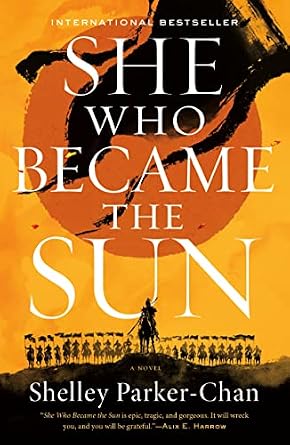
Parker-Chan’s reimagining of the founding of the Ming Dynasty, the first book in The Radiant Emperor duology, shares Kuang’s talent for taking historical events and transforming them into something entirely new. The story follows Zhu, who takes on her dead brother’s identity to escape a life of poverty and eventually rises to challenge the Mongol rulers of China.
This debut novel excels in its complex portrayal of gender, identity, and ambition. Like Kuang’s work, it doesn’t offer easy answers or purely sympathetic characters. Zhu’s transformation from desperate survival to ruthless ambition mirrors the moral complexity that makes Kuang’s protagonists so compelling. The book explores themes of destiny, sacrifice, and the prices we pay for power with the same unflinching honesty that characterizes The Poppy War.
Parker-Chan’s prose has a lyrical quality that complements the brutal political maneuvering, creating a reading experience that’s both beautiful and devastating. Fans of Kuang’s ability to blend historical inspiration with fantasy elements will find themselves completely absorbed in this tale of a woman who refuses to accept the limitations placed upon her.

While this might seem like an unexpected choice, Kuang fans who appreciated The Poppy War‘s unflinching look at historical atrocities will find Goodell’s examination of climate change equally compelling. This non-fiction work explores how rising sea levels will reshape our world, combining scientific research with on-the-ground reporting from vulnerable communities.
Goodell’s approach mirrors Kuang’s commitment to confronting uncomfortable truths. Just as Kuang forces readers to grapple with the realities of war and genocide, Goodell presents the climate crisis without sugar-coating its implications. His writing has the same urgent quality that drives Kuang’s narratives, making abstract concepts feel immediate and personal.
For readers who appreciated how Kuang weaves real historical events into her fiction, Goodell’s book offers a sobering look at the historical moment we’re living through. It’s the kind of challenging, important read that expands your worldview while keeping you engaged through masterful storytelling.

Shannon’s standalone epic fantasy delivers the kind of sweeping world-building and complex political intrigue that Poppy War fans crave. Set in a world threatened by ancient dragons, the story weaves together multiple perspectives across different kingdoms and cultures.
What sets this book apart is Shannon’s commitment to creating a diverse, fully realized world without relying on European medieval tropes. Like Kuang, she draws inspiration from various cultures and historical periods to create something entirely new. The magic system is intricate, the political maneuvering is complex, and the characters face genuine moral dilemmas with far-reaching consequences.
The book’s exploration of power, both magical and political, will resonate with readers who loved watching Kuang’s Rin navigate the dangerous world of gods and shamans. Shannon doesn’t shy away from the costs of wielding power, and her characters must constantly weigh personal desires against larger responsibilities.

Tartt’s dark academia masterpiece explores the toxic dynamics of an elite Vermont college and a group of classics students whose pursuit of beauty and knowledge leads to murder. The novel’s examination of privilege, obsession, and moral corruption will resonate strongly with readers who loved the sharp social commentary in Yellowface.
Like Kuang’s work, The Secret History refuses to romanticize its academic setting or its morally ambiguous characters. Tartt’s unflinching portrayal of how intellectual elitism can mask profound cruelty mirrors the way Kuang exposes the publishing industry’s hidden brutalities. Both authors excel at creating characters who are simultaneously fascinating and deeply flawed, making choices that are understandable even when they’re morally reprehensible.
The book’s lush, immersive prose and its exploration of how beauty and knowledge can become corrupted by power will appeal to readers who appreciated the philosophical depth beneath The Poppy War‘s action sequences. It’s a novel that lingers in your mind long after you’ve finished reading, much like Kuang’s most powerful work.
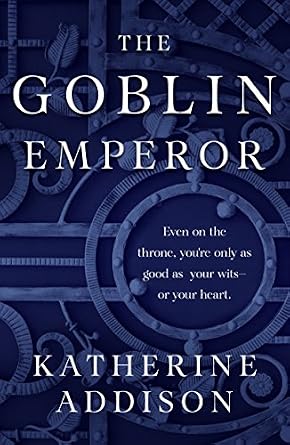
Don’t let the title fool you—this court intrigue fantasy offers the same complex political maneuvering that makes Kuang’s work so compelling, just with a more optimistic outlook. The story follows Maia, an unexpected heir to the throne who must navigate a hostile court while trying to remain true to his principles.
What makes this book special is its exploration of power and governance from a different angle than Kuang typically takes. While Kuang often examines how power corrupts, Addison explores how someone can wield power responsibly in a corrupt system. The political intrigue is just as complex, but Maia’s journey offers hope that good people can make a difference even in difficult circumstances.
Fans of the political complexity in Kuang’s work will appreciate the detailed court dynamics and the way personal relationships intersect with larger political forces. It’s a book that proves fantasy can tackle serious themes while still offering moments of genuine warmth and hope.

This alternate history novel combines rigorous scientific detail with sharp social commentary, much like how Kuang blends historical research with fantasy elements. Set in the 1950s, the story follows a mathematician working to get humanity to space after a meteorite strike threatens Earth’s climate.
Kowal’s exploration of sexism and racism in mid-century America has the same unflinching quality that characterizes Kuang’s historical fiction. The protagonist faces systemic barriers while trying to save humanity, creating the kind of personal stakes against a backdrop of larger social issues that Kuang handles so well.
The book’s combination of hard science and social justice themes will appeal to readers who appreciated how Kuang grounds her fantasy elements in real-world concerns. Both authors excel at creating stories where individual struggles reflect larger societal problems.
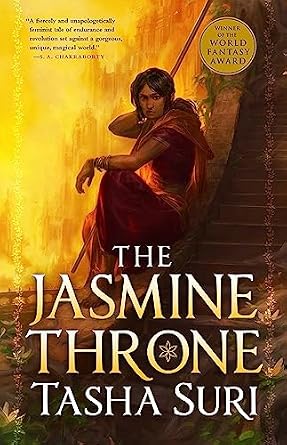
Suri’s fantasy novel draws from Indian history and mythology to create a story about colonialism, resistance, and the cost of revolution. The complex magic system and political intrigue will feel familiar to Poppy War fans, but Suri brings her own unique perspective to these themes.
The book’s exploration of imperial violence and resistance movements mirrors Kuang’s treatment of similar themes. Both authors understand that revolution is messy, that good people sometimes do terrible things for justifiable reasons, and that the aftermath of violence is often as complicated as the conflict itself.
Suri’s prose has a lush quality that complements the story’s darker themes, creating a reading experience that’s both beautiful and devastating. Fans who loved the way Kuang balanced poetic moments with brutal realities will find themselves completely absorbed in this tale of magic, politics, and the price of freedom.

Ishiguro’s latest novel might seem like an unexpected recommendation, but its exploration of otherness and belonging will resonate with Kuang fans. The story, told from the perspective of an artificial friend, examines what it means to be human and how society treats those it considers different.
Like Kuang’s work, this novel uses a speculative premise to examine very real social issues. Ishiguro’s understated prose style differs from Kuang’s more direct approach, but both authors excel at making readers question their assumptions about morality and society. The emotional impact builds slowly but hits with devastating force.
Readers who appreciated the philosophical depth beneath The Poppy War‘s action will find similar intellectual rewards in Ishiguro’s meditation on consciousness, love, and sacrifice.
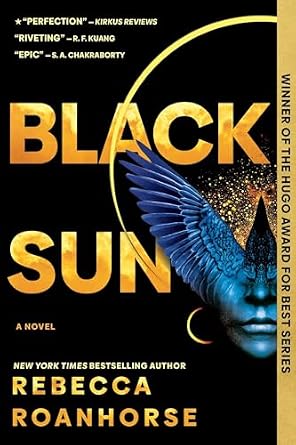
Roanhorse’s fantasy novel draws from pre-Columbian American civilizations to create a story that rivals The Poppy War in its scope and ambition. The book weaves together multiple storylines leading to a climactic convergence that will determine the fate of nations.
What makes this book exceptional is Roanhorse’s commitment to centering Indigenous perspectives and mythologies. Like Kuang, she draws from real historical cultures while creating something entirely new. The magic system is intricate, the political maneuvering is complex, and the characters face genuine moral dilemmas.
The book’s exploration of prophecy, destiny, and the cost of power will feel familiar to Kuang fans, but Roanhorse brings her own unique voice to these themes. Both authors understand that epic fantasy works best when it has something meaningful to say about the real world.
R.F. Kuang has set a high bar for contemporary fiction that refuses to compromise its vision or shy away from difficult truths. The books on this list all share that fearless approach to storytelling, whether they’re exploring historical trauma through fantasy elements or examining contemporary issues through speculative fiction.
What unites all these recommendations is their commitment to treating readers as intelligent adults capable of grappling with complex themes and morally ambiguous characters. They offer the same kind of immersive reading experience that makes Kuang’s work so addictive: stories that challenge you intellectually while keeping you emotionally invested from the first page to the last.
If you enjoyed this reading list, you might also like to read our recommendations for the best romantasy books.
As an Amazon Associate we earn from qualifying purchases made through links on this page.