
Tamler Sommers: Reading Outside The Discipline
Tamler Sommers’ reading list
24 books mentioned in this interview
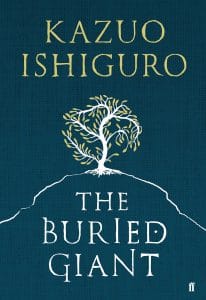
- The Buried Giant · Kazuo IshiguroRecommended 3 times
- The Great Brain books · John D. Fitzgerald
- Wonder · R.J. PalacioRecommended 5 times
- The Baron in the Trees · Italo Calvino
- A Confederacy of Dunces · John Kennedy TooleRecommended 12 times
- The Odyssey · HomerRecommended 13 times
- Jacques the Fatalist and his Master · Denis Diderot
- The History of Western Philosophy · Bertrand RussellRecommended 3 times
- LolitaRecommended 11 times
- Pale Fire · Vladimir Nabakov
- War and Peace · Leo TolstoyRecommended 20 times
- The Razor’s Edge · Somerset Maugham
- Demons
- The Brothers Karamazov · Fyodor DostoyevskyRecommended 8 times
- The Moral Animal · Robert Wright
- The Selfish Gene · Richard DawkinsRecommended 6 times
- Don Quixote · Miguel de CervantesRecommended 8 times
- The Book of Laughter and Forgetting · Milan Kundera
- Pride and Prejudice · Jane AustenRecommended 16 times
- Mortal Questions · Thomas NagelRecommended 4 times
- Shame and Necessity · Bernard Williams
- On the Road · Jack KerouacRecommended 8 times
- Rhinoceros · Eugene Ionesco
- Electra · Sophocles
Books by Tamler Sommers: Relative Justice: Cultural Diversity, Free Will, and Moral Responsibility, Why Honor Matters
Tamler Sommers is an Associate Professor of Philosophy at the University of Houston and he holds a joint appointment with the Honors College. Tamler Sommers is also co-director of Phronesis: A Program in Politics and Ethics, an interdisciplinary minor here at University of Houston. Having earned his B.A. in English from the University of Pennsylvania and his Ph.D. in Philosophy from Duke University; Tamler Sommers teaches primarily in ethics, political philosophy, and the philosophy of law, specializing in issues relating to free will, moral responsibility, punishment, and revenge. His second book, entitled Relative Justice: Cultural Diversity, Free Will, and Moral Responsibility came out to positive reviews. His most recent book is Why Honor Matters; in which Tamler Sommers makes a convincing case for honor as a cornerstone of our modern society. I was excited to talk books with such a prestigious Philosophy professor. Please enjoy my interview with Tamler Sommers.


When someone asks you ‘what do you do for a living?’ – How do you respond?
I teach philosophy at U of H (The University of Houston).
What are you reading at the moment?

What’s your earliest memory of reading?

If you could encourage young people to read one book in particular, what would it be and why?
10-12 year-olds: Wonder by R.J. Palacio. It was my daughter’s favorite book for a long time. High school: The Baron in the Trees by Italo Calvino because it’s beautiful and can introduce them to novel ways of understanding meaning and purpose. College: A Confederacy of Dunces by John Kennedy Toole because it’s the funniest book ever written. And The Odyssey by Homer because it’s beautiful, fun, and perfectly structured. And everything by Tolstoy because he was the best.


When did you fall in love with philosophy?
When I read Jacques the Fatalist and his Master by Denis Diderot in college. That book influenced me in so many ways, although it took me another 10 years to realize that I wanted to pursue philosophy as a profession.

What is the worst job you’ve ever had?
Going door-to-door in Boston to get donations for MASSPIRG – an environmental organization. It was much too cult-like for me.
What advice would you give a novice, looking for an introduction to philosophy?

Do you read as much as you’d like to?
Definitely not. The internet has sabotaged my ability to focus, it’s embarrassing. I’m trying every hack I come across to limit the damage. The best of them is meditation and also a program called “Freedom” that blocks me from getting online.
What books do you feel are important reading for people on your career path and why?
It depends on the subfield they’re interested in. Honestly, I’d recommend reading outside the discipline as much as possible. More literature, more film, more of the ancients, less technical contemporary philosophy.
Is there a book that you’ve read more than once? What is it and why did you revisit it?
I’ve read most of my favorite books at least three times. I’ve read Lolita and Pale Fire by Vladimir Nabakov five or six times each. I have a greater appreciation for books when I reread them. And my memory’s not great, so when I go back to something like War and Peace by Leo Tolstoy after 6 or 7 years, it’s almost like reading it for the first time.


What book have you recommended the most to friends and family?
A Confederacy of Dunces by John Kennedy Toole, because everyone loves it. Also the early George Pelecanos books and The Razor’s Edge by Somerset Maugham.

Who would you say are the three philosophers that continue to inspire you?
P.F. Strawon, Plato, and Susan Wolf.
What’s your favourite genre of book?
I love old LA noir fiction – Dashiell Hammett, Raymond Chandler, and James M. Cain. And James Ellroy more recently. Also Russian novels because they’re fun and so full of ideas.
What do you think a world without books would be like?
I can’t really conceive of that world, so I don’t have a good answer. But too many of my students are living their lives without books. And so their received beliefs and values don’t get challenged as much as they should.
Is there an author whose writing you’re such a fan of, that you’ll read everything they release?
Kazuo Ishiguro and Dennis Lehane.
Do you think digital books will ever completely replace real books?
No, there will always be people who prefer the feel of a real book.
What book do you feel humanity needs most right now?
That’s a tough one – maybe Demons or The Brothers Karamazov by Fyodor Dostoyevsky. They both reflect the turbulent times we’re in right now.



What is the book that you feel has had the single biggest impact on your life? What impact did it have?
Jacques the Fatalist and his Master by Denis Diderot made me want to be a writer and later a philosopher. I read The Moral Animal by Robert Wright and The Selfish Gene by Richard Dawkins in my mid-twenties and they inspired me to go back to school.


Are there any books you haven’t mentioned that you feel would make your reading list?
Too many to list, but off the top of my head – Don Quixote by Miguel de Cervantes, The Book of Laughter and Forgetting by Milan Kundera, Pride and Prejudice by Jane Austen, Mortal Questions by Thomas Nagel, Shame and Necessity by Bernard Williams, On the Road by Jack Kerouac (everyone should go through a Kerouac phase at some point), Rhinoceros by Eugene Ionesco, Electra by Sophocles, and Mark Twain’s novels.
- Don Quixote by Miguel de Cervantes
 Don Quixote by Miguel de Cervantes
- The Book of Laughter and Forgetting by Milan Kundera
 The Book of Laughter and Forgetting by Milan Kundera
- Pride and Prejudice by Jane Austen
 Pride and Prejudice by Jane Austen
- Mortal Questions by Thomas Nagel
 Mortal Questions by Thomas Nagel
- Shame and Necessity by Bernard Williams
 Shame and Necessity by Bernard Williams
- On the Road by Jack Kerouac
 On the Road by Jack Kerouac
- Rhinoceros by Eugene Ionesco
 Rhinoceros by Eugene Ionesco
- Electra by Sophocles
 Electra by Sophocles
What books or subject matter do you plan on reading in the next year?
I’d like to read more history. That’s a big embarrassing blind spot for me.
If you were to write an autobiography – what would it be called?
Making It Up As I Go.
If you’d like to learn more about Tamler Sommers, you can find him on his website and Twitter.
As an Amazon Associate we earn from qualifying purchases made through links on this page.


