Stephen Kosslyn – Psychology and Higher Education
Stephen Kosslyn’s reading list
10 books mentioned in this interview
- The University: An Owner’s Manual · Henry Rosovsky
- Stranger in a Strange Land · Robert A. HeinleinRecommended 3 times
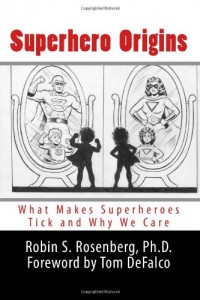
- Superhero Origins
- Vision: A Computational Investigation into the Human Representation and Processing of Visual Information by the late David Marr
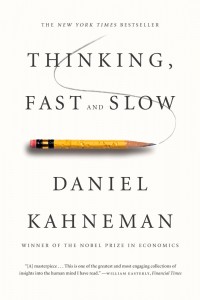
- Thinking, Fast and Slow · Daniel KahnemanRecommended 15 times
- Dreaming by the Book · Elaine Scarry
- College Disrupted: The Great Unbundling of Higher Education · Ryan Craig
- Syntactic Structures · Noam Chomsky
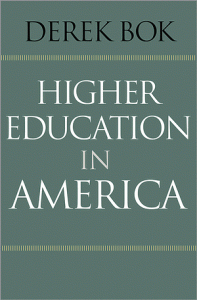
- Higher Education in America
- Known Space series · Larry Niven
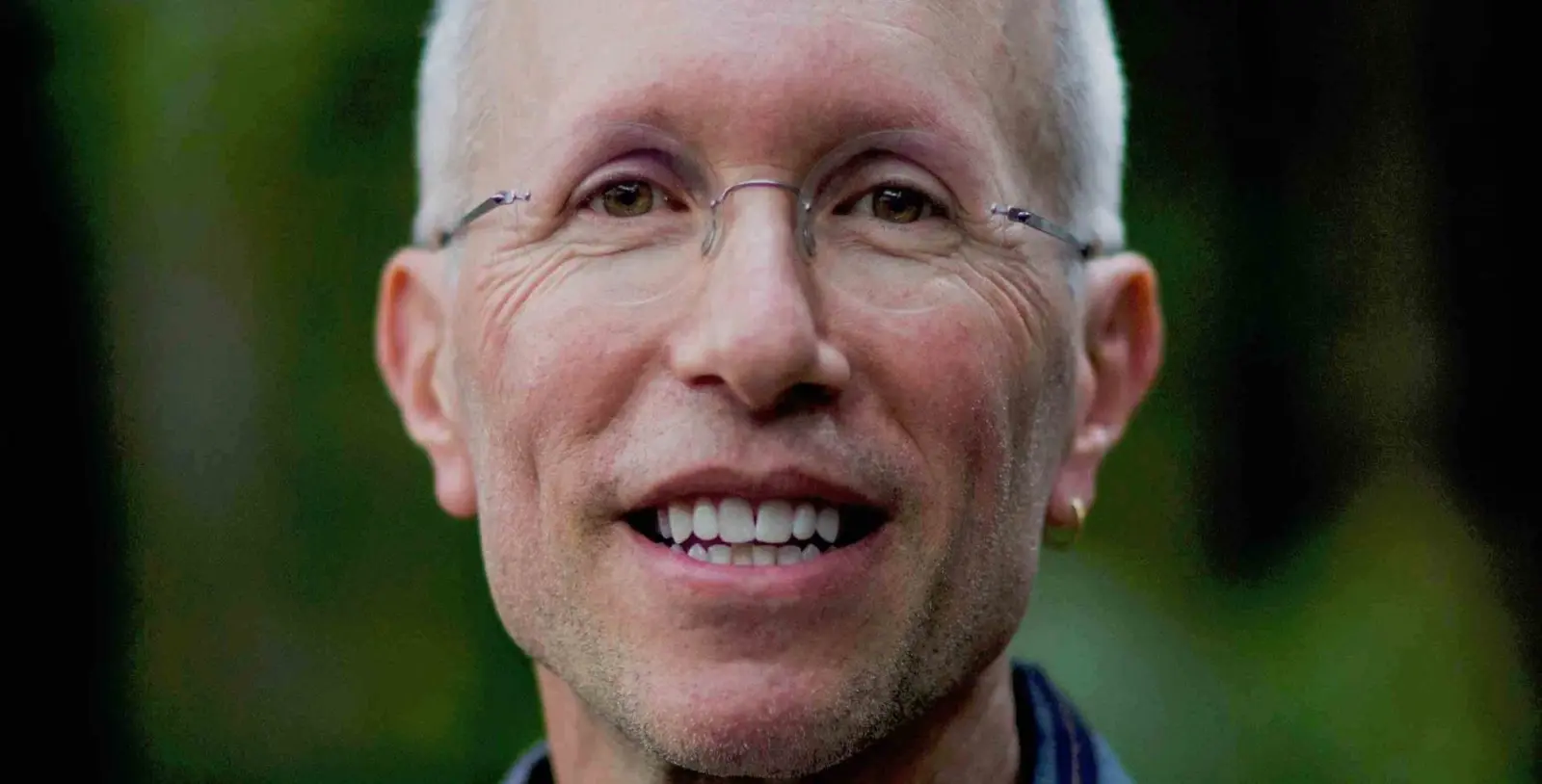
Stephen Kosslyn is a psychologist, neuroscientist and an educator. He is the Founding Dean and Chief Academic Officer of the Minerva Schools at the Keck Graduate Institute. Before that, Stephen has also held the position of professor of psychology at Harvard University. He specialises in the fields of cognitive neuroscience and cognitive psychology. Stephen Kosslyn has written or co-authored 15 books and has published well over 300 scientific papers. He is a true leader in his field. I was so excited to interview Stephen, as his work is both renowned and respected. It is my absolute pleasure to present my interview with the amazing Stephen Kosslyn…
When someone asks you ‘what do you do for a living?’ – how do you respond?
I am a scientist and educator. My science focuses primarily on the study of visual memory and visual communication. As an educator, I’ve focused on higher education. I was incredibly lucky to be asked to head the academic program at Minerva, which has allowed me to combine the two aspects of my work: We are motivating everything we do in the curriculum by the science of learning (which comprises discoveries about perception, memory, comprehension, knowledge acquisition, and the like).
What are you reading at the moment?
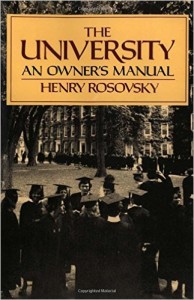
An old chestnut: The University: An Owner’s Manual by Henry Rosovsky. This is a funny, insightful and wise reflection on the nature of universities. Although it’s a bit long in the tooth, not all that much of consequence has really changed since it was written.
When you think about your childhood, what book comes to mind?
Stranger in a Strange Land by Robert A. Heinlein. Science Fiction dominated most of my reading for many years. Science Fiction opens new worlds and stimulates you to “think outside of boxes”.

What did you want to be when you were growing up?
I wanted to be a scientist, and then during high school decided that I wanted to work in education–which I thought was the best lever for changing society for the better.
What do you think your school aged self would think of the present day you?
He wouldn’t be surprised. I haven’t changed much, either in motivations or interests (I’m not sure whether to be pleased or disappointed by that!).
If you could wrap up a single book and gift it to yourself as you left education – which book would it be?
A concise encyclopedia. You never can tell what you’ll want (or need) to learn next, and it’s good to start with a high-level overview.
Does your reading have routine? Is there a particular time or place that you like to read?
I read on my phone when I have downtime (e.g. waiting in line, riding the subway, etc.) or during the morning when I exercise on the elliptical. I also typically read at night, before falling asleep.
Which book has had the biggest impact on your career so far?
Vision: A Computational Investigation into the Human Representation and Processing of Visual Information by the late David Marr. I was blown away by the elegance of his approach and his ability to integrate very different sorts of information into a single theory.

Do you have any books that you strongly associate with someone important in your life?
Sure! The books that my wife, Dr. Robin Rosenberg, has written–such as Superhero Origins. Robin is a clinical psychologist who uses stories about superheroes to illustrate key ideas in psychology. In addition, books by former students, such as Steven Pinker, have a special place in my heart.

What book have you recommended the most to friends and family?
Recently, Thinking, Fast and Slow by Daniel Kahneman. This book is chock-full of useful insights about how the mind works and why knowing about this matters in daily life.
Do you prefer fiction or non-fiction?
I prefer a combination of the two. I read non-fiction for work and general information (especially about things related to higher education). I read fiction during downtime and before going to sleep at night, which is relaxing and provides a bit of a respite. Different types of reading serve different purposes.
Do you think reading is important?
Absolutely! How else can you “stand on the shoulders of giants”? Reading allows you to benefit from great thinkers and great story tellers. We are blessed to live in an age where there is so much worth reading, so readily available. I cannot imagine life without reading. One of the reasons I think reading is important is that you, the reader, get to construct new worlds in your mind–this is a much richer experience, at least for me, than watching somebody else’s vision on a screen. (For some thoughts on this, see Dreaming by the Book by Elaine Scarry.)

What’s the best book you’ve read in the last 6 months?
That’s like asking which is my favourite child. I really can’t answer this question because I read different sorts of things for different purposes. If I had to identify a single book on higher ed, it would be College Disrupted: The Great Unbundling of Higher Education by Ryan Craig. This one isn’t just an attempt to guess how higher education might evolve in the future.

Do you prefer real books or digital books?
I use both sorts, but in different contexts: I read most non-fiction in hard copy, in part because it’s easy to write notes in the margins. I read all fiction via the Kindle app on my phone.
What is the book that you feel has had the single biggest impact on your life?
Syntactic Structures by Noam Chomsky. I read this early in my undergraduate career and it convinced me that mental events could and should be understood and theorized about rigorously.

Are there any books you haven’t mentioned that you feel would make your reading list?
Many, but let me name just three: I’m a huge fan of Derek Bok’s books, such as Higher Education in America. They are really smart. I’m also a fan of the Known Space series by Larry Niven. And just about anything by Steven Pinker, who is one of the most stimulating observers and analysts of the mind and brain.

What books or subject matter do you plan on reading in the next year?
I have a large pile, mostly on psychology and higher education.
If you were to write an autobiography – what would it be called?
Working Minds: The Life and Ambitions of Stephen M. Kosslyn
If you’d like to learn more about Stephen Kosslyn, you can do so on his Harvard page.
As an Amazon Associate we earn from qualifying purchases made through links on this page.