Shane Dikolli: The Importance Of Independence And Curiosity
Shane Dikolli’s reading list
24 books mentioned in this interview
- Grit · Angela DuckworthRecommended 5 times
- The Catcher in the Rye · J.D. SalingerRecommended 26 times
- The Last Lecture · Randy PauschRecommended 4 times
- Goodnight Moon · Margaret Wise BrownRecommended 4 times
- Wilfrid Gordon McDonald Partridge · Mem Fox
- A Prayer for Owen Meany · John IrvingRecommended 7 times
- The Legend from Bruce Rock: The Story of Wally Foreman · Glen Foreman
- In a Sunburned Country · Bill Bryson
- My Place · Sally Morgan
- The Girl with the Dragon Tattoo · Stieg Larsson
- To Kill a Mockingbird · Harper LeeRecommended 23 times
- Cost Accounting: A Managerial Emphasis · Charles Horngren and George Foster
- Shantaram · Gregory David RobertsRecommended 4 times
- Wait, What? And Life’s Other Essential Questions · James E. Ryan
- The Brief Wondrous Life of Oscar Wao · Junot DiazRecommended 4 times
- April Fool’s Day · Bryce Courtenay
- Secret History · Donna TarttRecommended 7 times
- Friday Night Lights · HG BissingerRecommended 3 times
- Moneyball · Michael LewisRecommended 4 times
- What Alice Forgot · Leanne Moriarty
- The Storied Life of A.K. Fikry · Gabrielle Zevin
- Everybody Lies · Seth Stephens-DavidowitzRecommended 4 times
- Dear Chairman: Boardroom Battles and the Rise of Shareholder Activism · Jeff Gramm
- Teaching Management · James G.S. Clawson and Mark E. Haskins
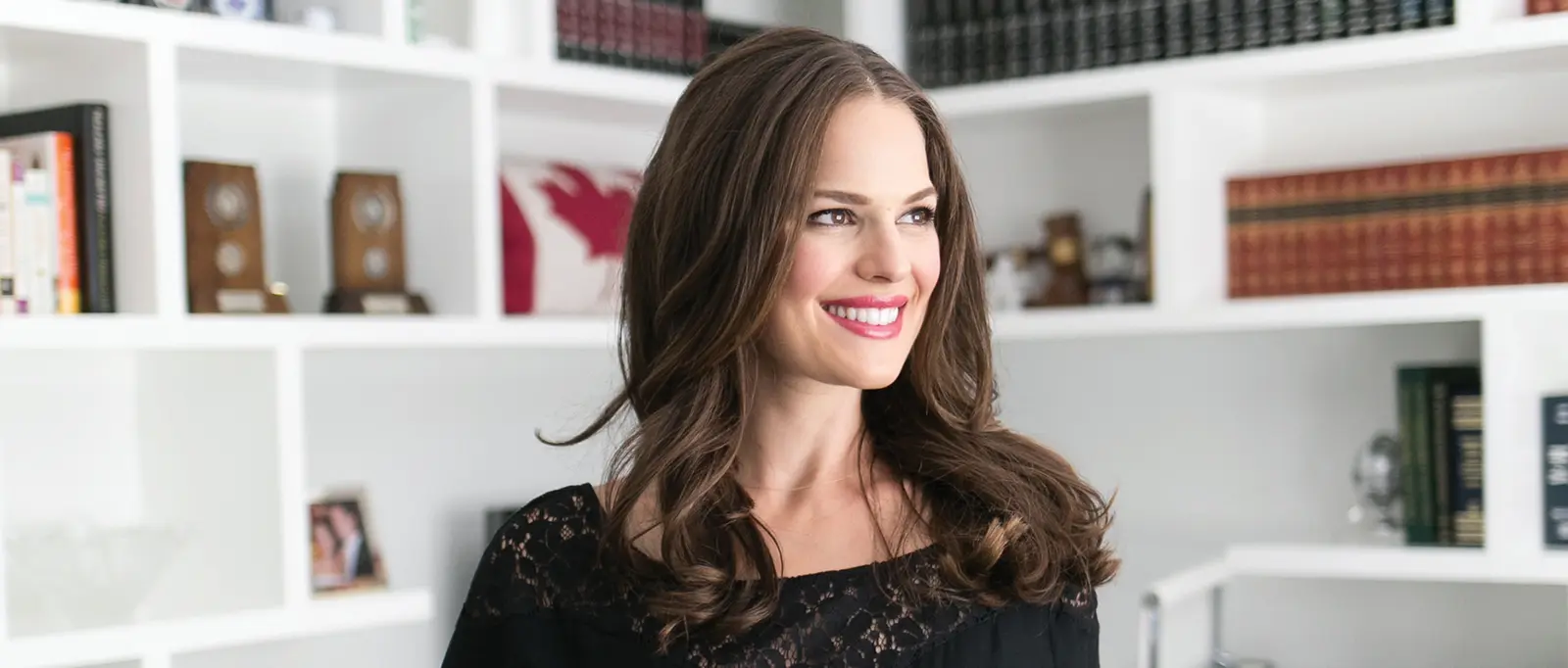
Shane Dikolli is an Associate Professor in Accounting at Darden. He previously held the position of Associate Dean of Faculty Engagement at Duke University’s Fuqua School of Business. His primary research interests focus on the performance evaluation of CEOs spanning both analytical modeling and empirical analysis. Shane Dikolli is currently an Editor at Journal of Management Accounting Research and currently holds Editorial Board member positions at The Accounting Review, Accounting, Organizations and Society, Contemporary Accounting Research, and Accounting and Finance. Shane Dikolli also currently serves as the President of the American Accounting Association’s Management Accounting Section. In 2011 Bloomberg Business Week recognized him in the Top 5 Most Popular Business Professors across all disciplines in the Top 30 business schools in the US. At Fuqua, he won the “Teacher of the Year” Award four times in the Fulltime MBA program for Elective course teaching, and for Core Course teaching in the Fulltime (once), Cross-Continent Executive (once) and the Weekend Executive (twice) MBA programs. Shane Dikolli received a BBus (Accounting) and a PGradDipBus (Accounting) from Curtin University (Australia) and a Ph.D. in Accounting from the University of Waterloo (Canada); he is also a Certified Practising Accountant (Australia). Please enjoy my interview with Shane Dikolli.
When someone asks you ‘what do you do for a living?’ – How do you respond?
I teach and research topics in Accounting at the University of Virginia’s Darden School of Business
What are you reading at the moment?
I’m currently reading Grit by Angela Duckworth.

What’s your earliest memory of reading?
First grade of primary school, Dick and Dora and Nip and Fluff series of books.
If you could encourage young people to read one book in particular, what would it be and why?
The Catcher in the Rye by J.D. Salinger. It helped me understand the importance of independence and curiosity. The brilliant storytelling is also full of inspiration.

Can you remember your first demonstration of entrepreneurial ability?
At the Maylands Amateur Football Club. I was appointed Treasurer because I had an Accounting degree and I decided to use that Accounting degree to institute new ways of ensuring there would be adequate financial controls at the club.
What is the worst job you’ve ever had?
Packing shelves overnight at a large grocery store. I realized quickly I did not have the skills to do the job well.
Do you read as much as you’d like to?
Not for leisure because, as an academic, I find there is always a manuscript, journal article, working paper, referee report, or newspaper article that takes priority so that I can get my work done.
What books do you feel are important reading for people on your career path and why?
The book I’m currently reading: Grit by Angela Duckworth. In fact, I plan to give a presentation to new Accounting faculty this winter about an Accounting academic career path and the frameworks and quizzes in the book provide excellent reading materials for individuals who are interested in self-assessing their grit. Academia provides a range of rejection sources, from students who might not like my teaching methods, to journal editors who don’t like my submitted manuscripts, to referees or research audience members who don’t agree with my research findings. In my opinion, the single most important personal trait to have in an accounting academic career is grit, which allows an individual to keep moving forward in the face of these repeated rejections, in search of the thrill of discovery.

When you think of success in the business world, who is the first person that comes to mind?
Warren Buffett, not because of his wealth, but because of his wisdom, humility, and philanthropy.
Is there a book that you’ve read more than once? What is it and why did you revisit it?
I’ve read many, many children’s books more than once. I revisited them because my young children at the time loved them. The ones I would revisit most often were the ones with rhythmic words, such as Goodnight Moon by Margaret Wise Brown or Wilfrid Gordon McDonald Partridge by Mem Fox. I particularly love Wilfrid Gordon McDonald Partridge because the theme of the book is not obvious on a first reading and there is a reference in the book to how Wilfrid viewed his “footy” like it was gold – it chokes me up every time I read it because I loved to play Australian Rules football as a kid. As for novels, I read A Prayer for Owen Meany by John Irving more than once. I revisited it because it was just so stunningly written, and the storylines were deep and complex. On second reading it seemed to have other layers of stories that I didn’t appreciate the first time through. Last, I’ve read The Last Lecture by Randy Pausch several times. It’s just beautiful stuff.
- The Last Lecture by Randy Pausch
 The Last Lecture by Randy Pausch
- Goodnight Moon by Margaret Wise Brown
 Goodnight Moon by Margaret Wise Brown
- Wilfrid Gordon McDonald Partridge by Mem Fox
 Wilfrid Gordon McDonald Partridge by Mem Fox
- A Prayer for Owen Meany by John Irving
 A Prayer for Owen Meany by John Irving
What book have you recommended the most to friends and family?
Although I live in the USA, many of my friends and family live in Western Australia. I don’t think there’s a Western Australian who hasn’t heard of Wally Foreman. As a result, I’ve recommended The Legend from Bruce Rock: The Story of Wally Foreman by Glen Foreman, Wally’s son. For anyone who grew up in Western Australia, it’s just a great story and brings back many childhood memories. The book I’ve recommended the most to American friends is either In a Sunburned Country by Bill Bryson or My Place by Sally Morgan. Both contain fascinating insights about what it is like to live and grow up in Australia.


What two pieces of advice would you give a young aspiring entrepreneur?
Surround yourself with smart, gritty, happy co-workers. Don’t ever ignore the financials just because you don’t understand them. Figure out a way to understand by learning how to interpret them or hire someone to explain to you how to interpret them.
What’s your favourite genre of book?
Satire in contemporary settings.
What do you think a world without books would be like?
Far less imaginative and creative. Books allow people to imagine and create sustained narratives, which inspires creativity and innovation. This is in contrast to the short bursts of information we see in social media platforms that distract humans away from sustained narratives.
Is there an author whose writing you’re such a fan of, that you’ll read everything they release?
No. It is rare that I read two books by the same author. In the past when I’ve done so, I’ve been disappointed. For example, I thought that The Girl with the Dragon Tattoo by Stieg Larsson was an amazing book but I could not get into the other books in the series.

Do you think digital books will ever completely replace real books?
Perhaps, in the same way, that digital music has replaced CDs and vinyl. Though, of course, there is still a market for those who love the traditional music media forms. In addition, we don’t interact with a book in the same way as we interacted with CDs and vinyl LPs (i.e., to read a book we have to touch it, which is not the case with listening to music), so I think a complete replacement will not happen in our lifetime.
What book do you feel humanity needs most right now?
To Kill a Mockingbird by Harper Lee. A key message in the book is how much we learn about ourselves by looking at the world through the eyes of others.

What is the book that you feel has had the single biggest impact on your life? What impact did it have?
Cost Accounting: A Managerial Emphasis by Charles Horngren and George Foster. I don’t recall which edition but I do know I relied on that book heavily to learn the content that I have taught for 30 years in the US, Australia, and South-east Asia.

What’s the worst advice you hear given to young people looking to start their own business?
Don’t let anything stop you from following your passion. It’s bad advice because sometimes there are really good reasons why you should not go down the path of following a passion that you may have.
Are there any books you haven’t mentioned that you feel would make your reading list?
Any children’s book by Mem Fox.
Wait, What? And Life’s Other Essential Questions by James E. Ryan, The Brief Wondrous Life of Oscar Wao by Junot Diaz, Shantaram by Gregory David Roberts, April Fool’s Day by Bryce Courtenay, Secret History by Donna Tartt, Friday Night Lights by HG Bissinger and Moneyball by Michael Lewis.
- Shantaram by Gregory David Roberts
 Shantaram by Gregory David Roberts
- Wait, What? And Life’s Other Essential Questions by James E. Ryan
 Wait, What? And Life’s Other Essential Questions by James E. Ryan
- The Brief Wondrous Life of Oscar Wao by Junot Diaz
 The Brief Wondrous Life of Oscar Wao by Junot Diaz
- April Fool’s Day by Bryce Courtenay
 April Fool’s Day by Bryce Courtenay
- Secret History by Donna Tartt
 Secret History by Donna Tartt
- Friday Night Lights by HG Bissinger
 Friday Night Lights by HG Bissinger
- Moneyball by Michael Lewis
 Moneyball by Michael Lewis
What books or subject matter do you plan on reading in the next year?
What Alice Forgot by Leanne Moriarty or The Storied Life of A.K. Fikry by Gabrielle Zevin (both recommended by my wife, Lynn, who has shown remarkably good judgment over the years of our marriage!). Everybody Lies by Seth Stephens-Davidowitz (I expect reading it will help inspire interesting research questions). Dear Chairman: Boardroom Battles and the Rise of Shareholder Activism by Jeff Gramm (recommended by a student). Teaching Management by James G.S. Clawson and Mark E. Haskins (contains excellent ideas for continuously improving as an educator).
- What Alice Forgot by Leanne Moriarty
 What Alice Forgot by Leanne Moriarty
- The Storied Life of A.K. Fikry by Gabrielle Zevin
 The Storied Life of A.K. Fikry by Gabrielle Zevin
- Everybody Lies by Seth Stephens-Davidowitz
 Everybody Lies by Seth Stephens-Davidowitz
- Dear Chairman: Boardroom Battles and the Rise of Shareholder Activism by Jeff Gramm
 Dear Chairman: Boardroom Battles and the Rise of Shareholder Activism by Jeff Gramm
- Teaching Management by James G.S. Clawson and Mark E. Haskins
 Teaching Management by James G.S. Clawson and Mark E. Haskins
If you were to write an autobiography – what would it be called?
Full Hearts.
If you’d like to learn more about Shane Dikolli you can find him on his faculty page.
As an Amazon Associate we earn from qualifying purchases made through links on this page.