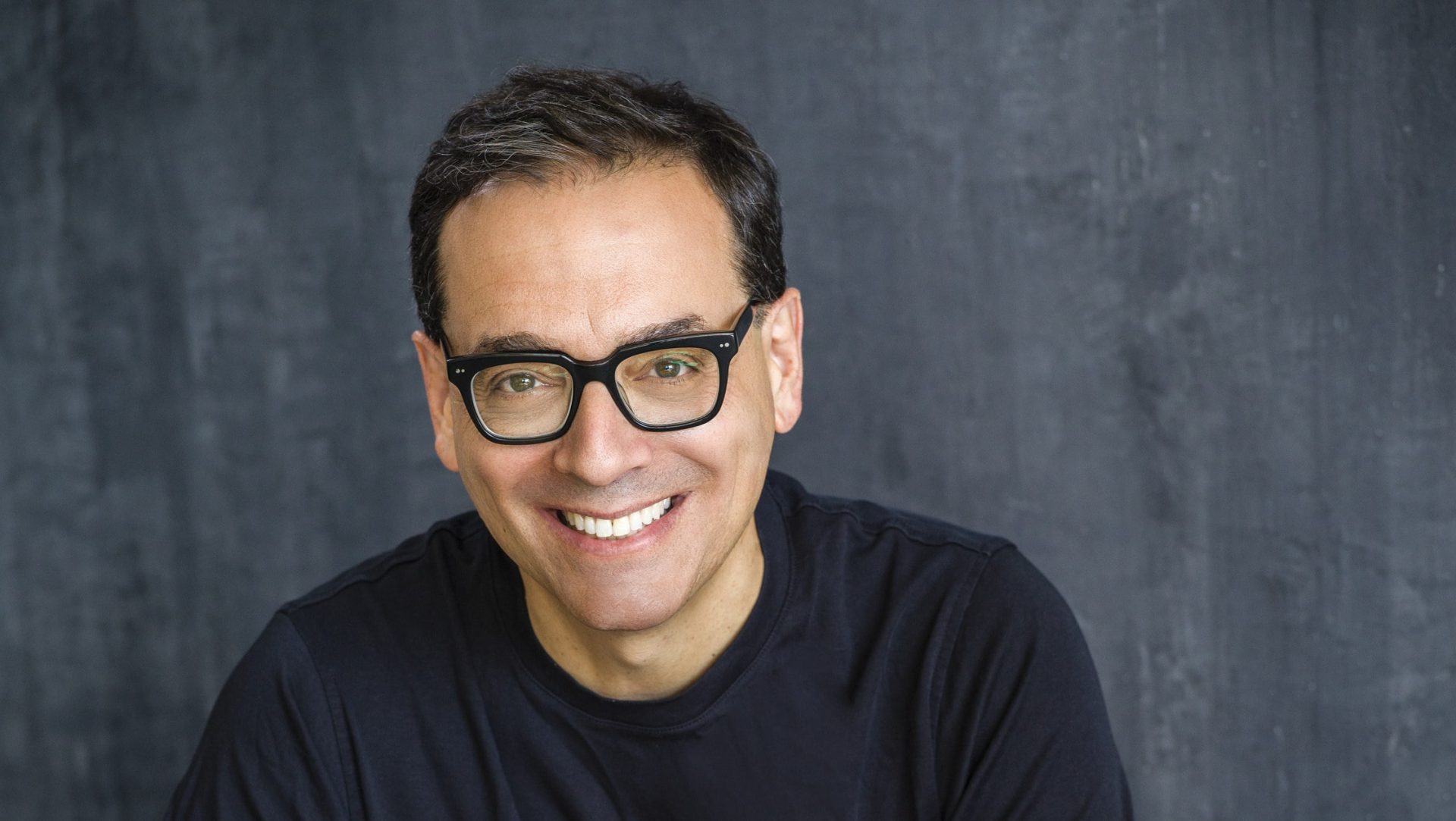
Melissa Kirsch: Other Ways Of Being
Melissa Kirsch’s reading list
17 books mentioned in this interview
- I’ll Be Gone in the Dark: One Woman’s Obsessive Search for the Golden State Killer · Michelle McNamaraRecommended 3 times
- Man’s Search for Meaning · Viktor FranklRecommended 29 times
- The Razor’s Edge · Somerset Maugham
- The Forest for The Trees: An Editor’s Advice to Writers · Betsy Lerner
- Bird by Bird · Anne LamottRecommended 17 times
- The Situation and the Story · Vivian Gornick
- The Morels
- The Games Bible
- The Old Dominion
- Spinster
- TA for Kids · Alvyn and Margaret Freed
- Games People Play
- The Original Warm Fuzzy Tale · Claude Steiner
- The Fact of a Body · Alexandria Marzano-Lesnevich
- Monster · John Gregory Dunne
- Transactions in a Foreign Currency · Deborah Eisenberg
- The Woman in the Window · AJ Finn
Books by Melissa Kirsch: The Girl’s Guide, The Girl’s Guide to Absolutely Everything
Melissa Kirsch is the editor-in-chief of Lifehacker and author of The Girl’s Guide (Workman Publishing, 2015). The book was originally published as The Girl’s Guide to Absolutely Everything in 2007 and was revised and updated in 2015. The book is a colossal cheat sheet for your post-college years, answering all the needs of the modern woman—from mastering money to placating overly anxious parents, from social media etiquette to the pleasure and pain of dating. Melissa Kirsch is also the host of the popular podcast, The Upgrade. Each week, Melissa Kirsch & Alice Bradley of Lifehacker bring in all-star guests to tackle the stuff that matters—like how to be happy, how to buy a TV, how to be less bad with money and how to tell if you’re dating a psychopath. The Upgrade was nominated for a Webby Award for Best Lifestyle Podcast 2018. Melissa Kirsch has also written for New York magazine, National Geographic Traveler, Nerve, and Good Housekeeping, and has been consulted as an expert for Glamour, Jezebel, and Cosmopolitan. I was excited to talk books with Melissa, and learn more about how busy lifestyle! Please enjoy my interview with Melissa Kirsch.


How do you describe your occupation?
I’m the editor-in-chief of Lifehacker.
Talk us through a typical day for you…
I wake up eventfully, like being born, at 5am. I like being up when everyone else is asleep. These are the hours when I can drink my instant espresso with salt and Splenda and no one will judge me when no one else is Slacking or emailing or texting and I can get something done. I light a scented candle (currently this weird one from Target, “jade”-scented, what does jade smell like?) and set to work reading the news on my computer. I have a Feedly full of RSS feeds from dozens of publications that I read to get ideas for Lifehacker stories for the day. I get on Slack and post story ideas so that they’ll be waiting for my team when they get up. I answer all my emails and schedule the replies to send after 9am with Boomerang so I’m not that person. I try to go to the gym around 7, where I jog for 30 minutes on the treadmill and watch cartoons on PBS with the sound off. Shower, some brainstorming on Slack with whoever’s online, shower, off to the office. I really like my job right now and I like the people I work with so the next 8-10 hours are always different but always trying to figure out how to be of use to people when the news is all so shitty all the time. Lately, I’m testing pedal-assist bikes and so I might ride one home over the Manhattan Bridge. I eat a very large salad for dinner. I do about two crossword puzzles a day, on the New York Times app, then I read the Rex Parker writeup. I do them on my iPad in bed, then I read on my Kindle in the dark until I fall asleep. I do see friends after work, and we do the same things everyone does in New York City after work. Eat, drink, complain, threaten to leave New York, etc.

What are you reading at the moment and what made you want to read it?
I’ll Be Gone in the Dark: One Woman’s Obsessive Search for the Golden State Killer by Michelle McNamara. I’m a true crime fanatic like everyone else you know. I wanted to read it after I heard Michelle talk about her armchair detective work on Julie Klausner’s podcast. She was captivating.

Can you remember the first book you read by yourself?
I can’t!
Are you a page folder or a bookmarker?
Both—but even when I have a bookmark, I forget I do and fold pages.
When did you fall in love with reading?
In kindergarten, Amy Murphy was one of the few people who could read and she got to sit on a chair and read Bread and Jam for Frances to us during storytime, pausing to show the illustrations to the kids assembled before her on the floor, just like the teacher. I was so jealous! I don’t remember picture books, but I remember first grade when the teacher read us an Encyclopedia Brown book. She’d read us the stories and we’d have to guess the solutions. I went out and got the very same book and read it, solutions included, so I’d look smart in class. This is more a story about what a little brat I was. That wall of Dell Yearling paperbacks at Waldenbooks—I read them all.
If you could gift yourself books at age 16 and age 25 – what would they be and why?
I was given a book at age 16 that changed everything. I had this much older boyfriend and he bought me Man’s Search for Meaning by Viktor Frankl. It showed me whatever I thought I was going through that I couldn’t handle, I could. Everything is severe melodrama when you’re a teenager. This book shifted my perspective. I read The Razor’s Edge by Somerset Maugham right after and realized that literature wasn’t just stuff you were assigned in school, it was something you’d seek out willingly. At 25, I’d have given myself my own book, The Girl’s Guide, which is the book I started writing at age 27 and published five years later to answer all the questions I had about how to be an adult.


What are perfect reading conditions for you?
Quiet, a chair where I can put my feet up.
For someone starting out in your career, which three books would you make required reading and why?
The Forest for The Trees: An Editor’s Advice to Writers by Betsy Lerner, Bird by Bird by Anne Lamott, The Situation and the Story by Vivian Gornick. They’re all about how to write, how to be edited and how to give and get feedback.


If you could invite 5 authors (dead or alive) to a dinner party – who would they be and why?
Chris Hacker, author of The Morels; Leigh Anderson, author of The Games Bible; Jennifer Key, author of The Old Dominion, Kate Bolick, author of Spinster, and novelist Deb Schwartz. These are some of my favorite living authors and people and dining companions. I’ve been to dinner parties with each but never all together. They’re big talkers and big laughers—the only people I want to break bread with.


What was the last book you purchased, and why did you buy it?
I bought a used copy of TA for Kids by Alvyn and Margaret Freed. Transactional analysis is this post-Freudian psychodynamic theory that was popular when I was growing up in the 1980s, started by Eric Berne, the psychiatrist who wrote Games People Play. I think it was worked into the curriculum of my elementary school, where we read the TA classic The Original Warm Fuzzy Tale by Claude Steiner. It’s fallen out of fashion, but I often think of elements of TA—like the parent, adult and child ego states, or the classification of human interactions as “strokes”. The other day I described some dynamic among my friends as “Let’s You and Him Fight”, which is one of Berne’s “games”. I remember reading TA for Kids with my mom and finding it sort of mystical and useful for describing my feelings and ordered a copy from Amazon. It hasn’t arrived yet, but I’m excited to read it again.


What is your favourite thing about reading?
It shows me other ways of being, of living, of what’s possible.
What’s the best book you’ve read in the last 6 months?


If you could insert yourself into any book, which would you pick and why?
Monster by John Gregory Dunne. Among other things, it’s this intimate story of his working relationship with Joan Didion. I am not sure how I fit into the book—am I one of them? Am I their child? I think I’m just part of their glamorous world. (I recall the book is also about the terrible jobs writers have to take to keep their health insurance—I’d prefer not to insert myself into that part.)

Name a book that you feel everyone would benefit from reading and explain why.
What is the book that you feel has had the single biggest impact on your life? What impact did it have?
Transactions in a Foreign Currency by Deborah Eisenberg. Reading it made me want to write fiction. I was in an MFA program for poetry writing at the time, and I indulged in a crisis over whether I was pursuing the correct medium. I told Sharon Olds I had to leave the poetry program because the only necessary writing in the world was fiction. I can’t remember what she said to make me stay in the program, but I did and ended up spending a good chunk of my twenties and early thirties travelling and writing poems.

Are there any books you haven’t mentioned that you feel would make your reading list?
Of course! But this is long enough.
Which book sat on your shelf are you most excited about reading next and why?
The Woman in the Window by AJ Finn, because everyone says it’s a blood-curdler.

If you’d like to learn more about Melissa Kirsch, you can find her on her website and Twitter.
As an Amazon Associate we earn from qualifying purchases made through links on this page.