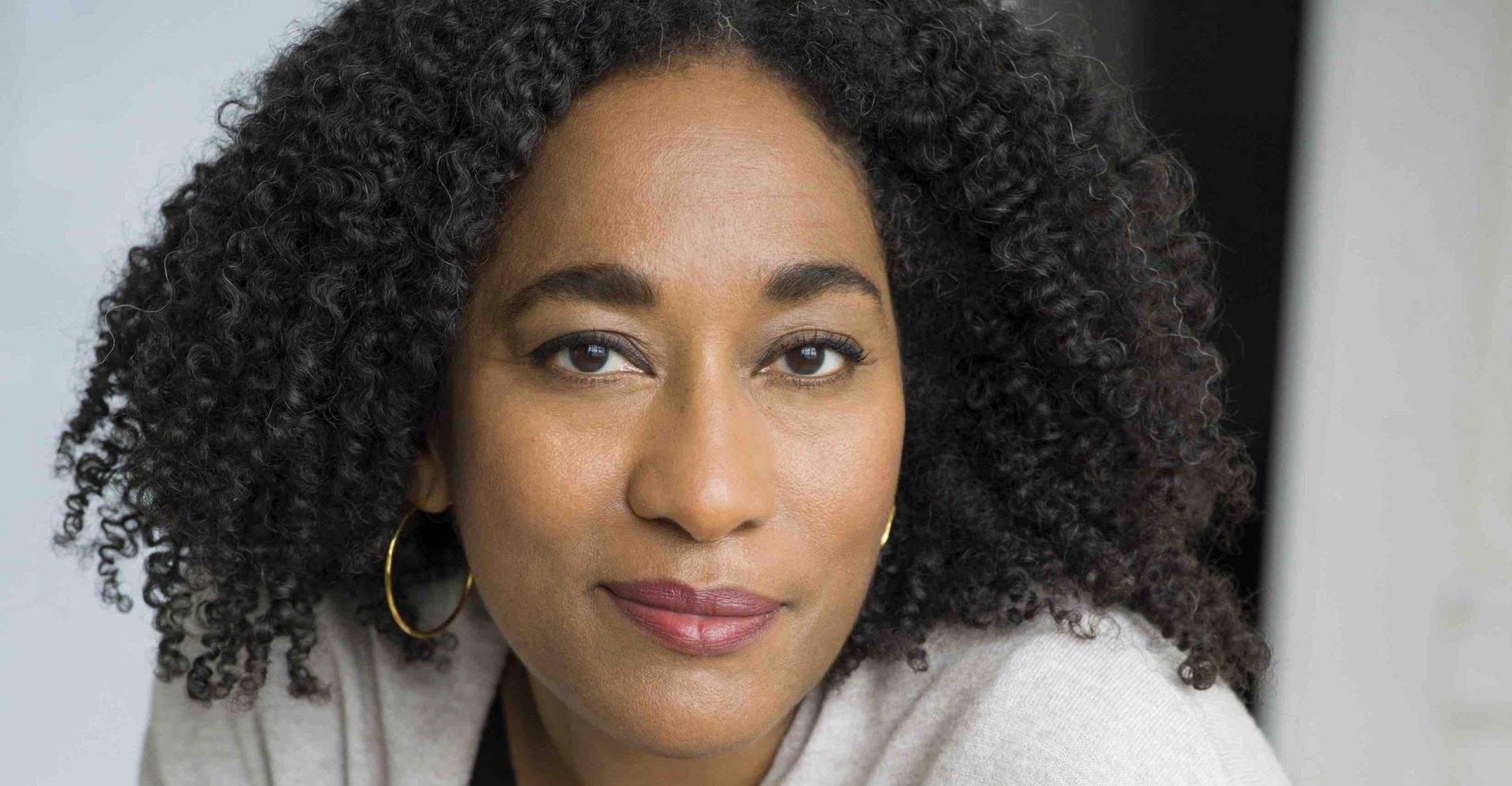
Kim Crayton: A Thirst For Knowledge
Kim Crayton’s reading list
9 books mentioned in this interview
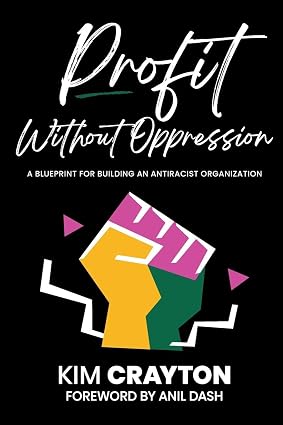
- Profit Without Oppression: A Blueprint for Building an Antiracist Organization
- Waking Up In 5D: A Practical Guide to Multidimensional Transformation · Maureen J. St. Germain
- The Four Agreements · Don Miguel RuizRecommended 3 times
- Saving Capitalism · Robert B. Reich
- Requiem for the American Dream · Noam Chomsky
- Stamped From the Beginning: The Definitive History of Racist Ideas in America · Jason Reynolds and Ibram X. KendiRecommended 5 times
- The Fifth Discipline: The Art and Practice of the Organization · Peter M. Senge
- Data Conscience: Algorithmic Siege on our Humanity · Dr. Brandeis Marshall
- Palo Alto: A History of California Capitalism and the World · Malcolm Harris
Kim Crayton is a visionary leader in the tech industry, known for her expertise in coaching tech leaders to improve profitability and innovation by operationalizing core organizational values and identifying hidden barriers to inclusion. With a background in business strategy and economics, Kim is a passionate advocate for diversity, inclusion, and safe spaces in tech. She has spoken at over 50 conferences on these issues and has worked with organizations such as GitHub and Mozilla, as well as several tech communities, including the Clojure, Node.js, Python, JavaScript and Selenium communities.
Kim is the founder of the #causeascene movement, dedicated to the strategic disruption of the status quo in technical organizations, communities, and events. She is also the CEO of Underrepresented & Marginalized in Tech and the antiracist economist. Her goal is to build a future that is free from supremacy, coercion, discrimination, and exploitation. Through her work, Kim aims to help businesses model Profit Without Oppression, and she uses her own lived experience to guide others in developing skills in ways that accommodate the masses. With a focus on moving forward and laying the foundation for a hopeful, authentic, and strategic future, Kim invites everyone to join her in creating a better, more inclusive world.
Enjoy our interview with the brilliant, Kim Crayton…
How do you describe your occupation?
The Antiracist Economist, challenges the economic systems, institutions, and policies that have been created to maintain white supremacy and anti-Blackness.
- I’m an individual [Black woman], focused on helping whiteness better understand how they benefit from and are complicit in maintaining white supremacy and anti-Blackness.
- I’m an individual [Black woman], focused on understanding, sharing knowledge, and developing strategies that will lead to economic policies and practices that prioritize the most vulnerable because when the most vulnerable are doing well, then everyone else benefits
- Whiteness must work on two fronts: themselves as racist and the systems, institutions, and policies designed to privilege them, while harming others
- Everyone else must challenge their own internalized white supremacy and anti-Blackness and their role in maintaining to the systems, institutions, and policies designed to oppress them
Talk us through a typical day for you…
There is no typical day, but I usually begin by checking the social sphere and conversations happening, in an effort to find living examples of business practices that support what I’m doing and those that are not. But the majority of my days as of late have been focused on the book which is now officially available (Profit Without Oppression: A Blueprint for Building an Antiracist Organization) and planning out stops for the book tour.

What are you reading at the moment and what made you want to read it?
Currently I’m reading Waking Up In 5D: A Practical Guide to Multidimensional Transformation by Maureen J. St. Germain, these types of books allow me to broaden my perspective and see things others don’t.

You provide a course on being ‘antiracist’, can you give our readers some broad advice on where to start with that process?
Understanding the Guiding Principles and applying them to your everyday life. These principles are:
- Tech is Not Neutral, Nor is it Apolitical
- Intention without an accurately informed strategy is chaos
- Lack of inclusion is a Risk/Crisis Management Issue
- Prioritise the Most Vulnerable
As well as those, it’s also important to be having authentic conversations, hopefulness and implementing strategic action. For those interested you can take the course here.

If you could gift yourself books at age 16 and age 25 – what would they be and why?
The Four Agreements by Don Miguel Ruiz, because it’s a very obvious way to start living a more intentional life.

Which three books would you recommend for a complete novice who wants to learn about economics?
It’s not just about understanding Economics, it’s about understanding Economics in the framework of how it’s been used, which is why I’m focusing on building a Supremacy, Coercion, Discrimination, and Exploitation FREE future. I look to books like Saving Capitalism by Robert B. Reich, Requiem for the American Dream by Noam Chomsky, Stamped From the Beginning: The Definitive History of Racist Ideas in America by Jason Reynolds and Ibram X. Kendi to help me see the bigger picture. I would also mention “Seeing White” which is a podcast by Scene on Radio.
- Saving Capitalism by Robert B. Reich
 Saving Capitalism by Robert B. Reich
- Requiem for the American Dream by Noam Chomsky
 Requiem for the American Dream by Noam Chomsky
- Stamped From the Beginning: The Definitive History of Racist Ideas in America by Jason Reynolds and Ibram X. Kendi
 Stamped From the Beginning: The Definitive History of Racist Ideas in America by Jason Reynolds and Ibram X. Kendi
If you could invite 5 authors (dead or alive) to a dinner party – who would they be and why?
Toni Morrison, because she’s a badass. Adam Smith, Grandfather of Economics. Peter Senge, author of The Fifth Discipline: The Art and Practice of the Organization by Peter M. Senge. James Baldwin, he was telling the truth when the truth wasn’t safe. Audre Lorde, she was speaking at the intersections. I like truth tellers.


What was the last book you purchased, and why did you buy it?
Data Conscience: Algorithmic Siege on our Humanity by Dr. Brandeis Marshall. Because she’s another truth teller who is challenging the status quo.

What is your favourite thing about reading?
I’ve always had a thirst for knowledge and the need to take that knowledge I’ve gained and make it more accessible for folks.
What’s the best book you’ve read in the last 6 months?
Profit Without Oppression: A Blueprint for Building an Antiracist Organization, because taking the time to write that helped solidify my understanding of my own content and how to best present it in an approachable way. I had to internalize it first.
What is the inspiration for your book, Profit Without Oppression and what can readers hope to learn from it?
Using my own lived experiences, I created an economic theory, Profit Without Oppression, to support the development of businesses by sharing knowledge and helping others develop skills in ways that accommodate the masses. This theory is based on the understanding that to advance in ways where harm is not treated as a necessary “cost of doing business,” we must forge an entirely new path. It’s also to democratize business education because it’s still in the hands of the privileged.
What is the book that you feel has had the single biggest impact on your life? What impact did it have?
The Powell Memo, which was introduced to me through Saving Capitalism. I saw the intentional nature of the exclusion and harm that is still being built into our economic systems.
Which book sat on your shelf are you most excited about reading next and why?
Palo Alto: A History of California Capitalism and the World by Malcolm Harris, because it is a current dive into the false narrative of being apolitical and the harm the individuals who systems institutions and policies privilege at the expense of the many.

If you’ve enjoyed our conversation with Kim Crayton, be sure to visit her website and follow her on Twitter.
As an Amazon Associate we earn from qualifying purchases made through links on this page.