Philip Reeve: Reading In An Unplanned Way
Philip Reeve’s reading list
24 books mentioned in this interview
- Viking Fire · Justin Hill
- On Liberty · John Stuart MillRecommended 6 times
- The Lord of the Rings · J.R.R. TolkienRecommended 17 times
- Warrior Scarlet
- The Eagle of the Ninth · Rosemary Sutcliff
- Aubrey/Maturin series · Patrick O’Brian
- Unreliable Memoirs · Clive James
- Vainglory
- Fire’s Astonishment
- The Land of Froud
- Bleak HouseRecommended 7 times
- David Copperfield · Charles DickensRecommended 9 times
- Tom’s Midnight Garden · Philippa Pearce
- Collected Short Stories · Ray Bradbury
- The Code of the Woosters · P.G. Wodehouse
- The Wonder Boys · Michael Chabon
- Grendel · John Gardner
- Watership Down · Richard Adams
- The Bloody Chamber · Angela Carter
- The Arrival · Shaun TanRecommended 3 times
- The Talented Mr Ripley · Patricia Highsmith
- The Asterix books · Rene Goscinny and Albert Uderzo
- The Philip Marlowe books · Raymond Chandler
- The Owl Service · Alan Garner
Books by Philip Reeve: Horrible Histories series, Mortal Engines, Oliver and the Seawigs
Philip Reeve is an author an illustrator who was born and raised in Brighton, England. Whilst working in a bookshop, Philip began co-writing, producing and directing various no-budget theatre projects. This would shortly be followed by a step into illustration, which led to Philip working on the best-selling Horrible Histories series. Philip Reeve’s first novel would follow, Mortal Engines, an adventure story set in a future world. The debut novel would go on to catch the attention of reviewers and was shortlisted for several awards, winning the Nestle Smarties Book Prize and the Blue Peter Book of the Year Award. Philip Reeve has gone on to write many more books, all of which have received positive reviews and more critical acclaim. In recent years, Philip has collaborated with illustrator and comic creator Sarah McIntyre, with their first book being Oliver and the Seawigs. Philip Reeve now lives in Dartmoor with his wife and son, and continues to produce wonderful books. Please enjoy my interview with Philip Reeve…


When someone asks you ‘what do you do for a living?’ – How do you respond?
I usually say I’m a writer. (Then, every time we meet, they say, ‘Are you still writing?’ which is odd, because I never think to ask them if they’re still farming/teaching/working in an office…) Or sometimes I just say I work in publishing.
What are you reading at the moment?
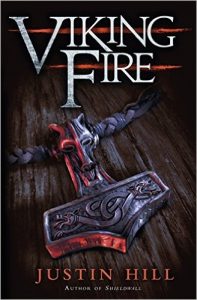
I’m reading Viking Fire by Justin Hill, which is a fine historical novel about Harald Hardrada.
What’s your earliest memory of reading?
I remember lying on my tummy on the carpet, poring over library books, but I don’t remember whether I could read them; perhaps I was only looking at the pictures. And I recall sitting in bed at the age of five or six reading chapter after chapter of some long-forgotten children’s book about a little dog. I expect the chapters were only a few pages long, but I remember a huge sense of achievement.
If you could encourage young people to read one book in particular, what would it be?
I think they need to find their own books, reading as widely and as adventurously as possible. But I think I’d encourage them to read On Liberty by John Stuart Mill: I find a lot of young people have rather illiberal views, wanting to ban opinions they don’t like and demonising people who disagree with them. (Perhaps I was like that too, when I was young.) On Liberty is a clear and powerful argument against that sort of thinking, and it’s short and very easy to read.

Can you remember the first story you ever wrote?
Very clearly! It was called ‘Spike And Spook Go To The Moon’. Spike was a spaceman, and spook was his dog.
What is the worst job you’ve ever had?
Straight after college I had a job with a language school, looking after two large groups of Italian students in Cambridge. They were lovely, but I was completely untrained and unsuited for the role.
What two pieces of advice would you give a young aspiring writer?
Read as widely as you can, because it’s easy to decide that Science Fiction or YA or something is your genre and just read that – which brings a nice sense of community, but if you want to write you need to read all sorts of things. Also, rewrite what you’ve written. I never fully understood that when I was younger. You don’t usually just write a story, you have to tear it to pieces a few times, throw away the substandard parts, and build it again out of the good ones.
Do you read as much as you’d like to?
I read quite a lot, but I do notice that the internet is becoming a distraction. I always used to read a book while I was having my lunch, but nowadays I often end up checking e-mails and social media, and then getting distracted by links to articles and things. Which is still reading, I suppose, but I fear it’s nibbling away at my attention span.
What books do you feel are important reading for people on your career path?
I don’t really feel that I’ve followed a career path, I just wandered about rather aimlessly and ended up here. I read in the same unplanned way; a book takes my interest and leads me onto other books. Which, it turns out, is quite a good way to fill one’s head with the kind of random images and pieces of information which can be used to make stories.
Is there a book that you’ve read more than once? What is it and why did you revisit it?
I quite often re-read books. Once you reach my sort of age you start to find that all the classics you read in your teens and twenties have faded in your memory to the point where you can read them again, and, of course, you see different things in them as you get older. There are some favourite books from childhood which I return to every few years, The Lord of the Rings by J.R.R. Tolkien and Warrior Scarlet and The Eagle of the Ninth by Rosemary Sutcliff, which is nostalgia, I suppose. And for some reason I find the Aubrey/Maturin series by Patrick O’Brian endlessly re-readable. It’s the characters, I think; they feel like old friends, so it’s always nice to drop in on them and hear the old familiar stories again.


What book have you recommended the most to friends and family?
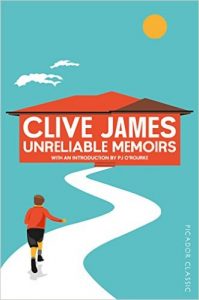
In recent years it would probably be Unreliable Memoirs by Clive James.
Who would you say are the three writers that continue to inspire you?
I would say there are far more than three. But if I had to pick three, it would be Geraldine McCaughrean, JRR Tolkien, and JG Ballard.
What’s your favourite genre of book?
I try to read all sorts of things, but I do like fiction that takes me to another time and place.When I was younger that meant sci-fi and fantasy, but nowadays I can get the same sort of enjoyment from historical novels or stories set in other countries.
What do you think a world without books would be like?
I think it’s quite easy to imagine a world without books, which weren’t part of most people’s lives until the nineteenth century. It wouldn’t be so very different, except that I’d be unemployed, of course. But it’s impossible to imagine a world without stories.
Is there an author whose writing you’re such a fan of, that you’ll read everything they release?
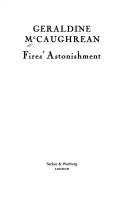
Geraldine McCaughrean. I discovered her brilliant adult novels like Vainglory and Fire’s Astonishment. I read all of them back in the ‘90s, then went on through all her equally brilliant children’s books. I’m waiting eagerly for the next one, Where The World Ends.

Do you think digital books will ever completely replace real books?
I suppose it’s possible, although the technology is still a bit clunky at the moment. Imagine a beautifully bound book of smart paper whose blank pages fill electronically with the text of whichever book you download to it – if those existed, there wouldn’t really be any need for all my shelves of dusty paperbacks. So as the technology develops I think ‘real’ books might become more and more of a niche market, but it will be a long time before they vanish completely.
What book do you feel humanity needs most right now?
People who prescribe books that all humanity needs are one of the things that got us into this mess!
What is the book that you feel has had the single biggest impact on your life?
When I was thirteen I bought a book of pictures by the illustrator Brian Froud. It’s called The Land of Froud, and there’s a short essay about him at the front and then a lot of lovely colour plates of his paintings, which are fantasy and folklore illustrations and draw on the landscape of Dartmoor, where he lives. By the time I’d looked through it a couple of times I’d decided that I was going to become and illustrator and move to Dartmoor too, which I eventually did, so it’s hard to think of a book that’s had more impact on me.

Are there any books you haven’t mentioned that you feel would make your reading list?
Loads! Here’s my list…
Bleak House and David Copperfield by Charles Dickens, Tom’s Midnight Garden by Philippa Pearce, Collected Short Stories by Ray Bradbury, The Code of the Woosters by P.G. Wodehouse (or practically any of his Jeeves or Blandings books), The Wonder Boys by Michael Chabon, Grendel by John Gardner, Watership Down by Richard Adams, The Bloody Chamber by Angela Carter, The Arrival by Shaun Tan, The Talented Mr Ripley by Patricia Highsmith, The Asterix books by Rene Goscinny and Albert Uderzo, The Philip Marlowe books by Raymond Chandler, The Owl Service by Alan Garner.
I’ll think of all the ones I’ve forgotten after I send this.
- Bleak House
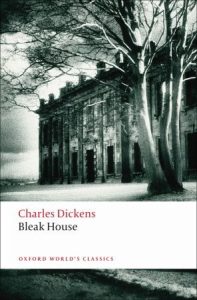 Bleak House
- David Copperfield by Charles Dickens
 David Copperfield by Charles Dickens
- Tom’s Midnight Garden by Philippa Pearce
 Tom’s Midnight Garden by Philippa Pearce
- Collected Short Stories by Ray Bradbury
 Collected Short Stories by Ray Bradbury
- The Code of the Woosters by P.G. Wodehouse
 The Code of the Woosters by P.G. Wodehouse
- The Wonder Boys by Michael Chabon
 The Wonder Boys by Michael Chabon
- Grendel by John Gardner
 Grendel by John Gardner
- Watership Down by Richard Adams
 Watership Down by Richard Adams
- The Bloody Chamber by Angela Carter
 The Bloody Chamber by Angela Carter
- The Arrival by Shaun Tan
 The Arrival by Shaun Tan
- The Talented Mr Ripley by Patricia Highsmith
 The Talented Mr Ripley by Patricia Highsmith
- The Asterix books by Rene Goscinny and Albert Uderzo
 The Asterix books by Rene Goscinny and Albert Uderzo
- The Philip Marlowe books by Raymond Chandler
 The Philip Marlowe books by Raymond Chandler
- The Owl Service by Alan Garner
 The Owl Service by Alan Garner
What books or subject matter do you plan on reading in the next year?
I don’t plan my reading in that way. Viking Fire by Justin Hill, which I’m reading at the moment, is reminding me that I don’t know much about Byzantium, so maybe I’ll read something about that, and perhaps that will lead me to other books, or perhaps something else will grab my attention.

If you were to write an autobiography – what would it be called?
You have to have done something to write an autobiography! I just sit around writing, so it all comes out as fiction.
If you’d like to learn more about Philip Reeve you can find him on him on his website, Facebook and Twitter.
As an Amazon Associate we earn from qualifying purchases made through links on this page.