Ken Breniman: Onward, Upward, Inward
Ken Breniman’s reading list
16 books mentioned in this interview
- The Book of Joan
- Orpheus in the Bronx
- The Chronicles of NarniaRecommended 13 times
- Anam Cara · John O’Donohue
- On Earth We’re Briefly Gorgeous · Ocean Vuong
- The Stand · Stephen KingRecommended 9 times
- The Overstory · Richard Powers. I
- Braiding Sweetgrass · Robin Wall Kimmerer. It’s
- Man’s Search for Meaning · Viktor Frankl. It
- Our Inner Ape · Frans de Waal
- When Things Fall Apart · Pema Ch
- The Book of Hope · Jane Goodall
- No Death, No Fear · Thich Nhat Hanh
- The Body Keeps the Score · Bessel van de
- The Spell of the Sensuous · David Abram
- A Commonsense Book of Death
Books by Ken Breniman: S ubversive Acts of Humanity, a three body solution
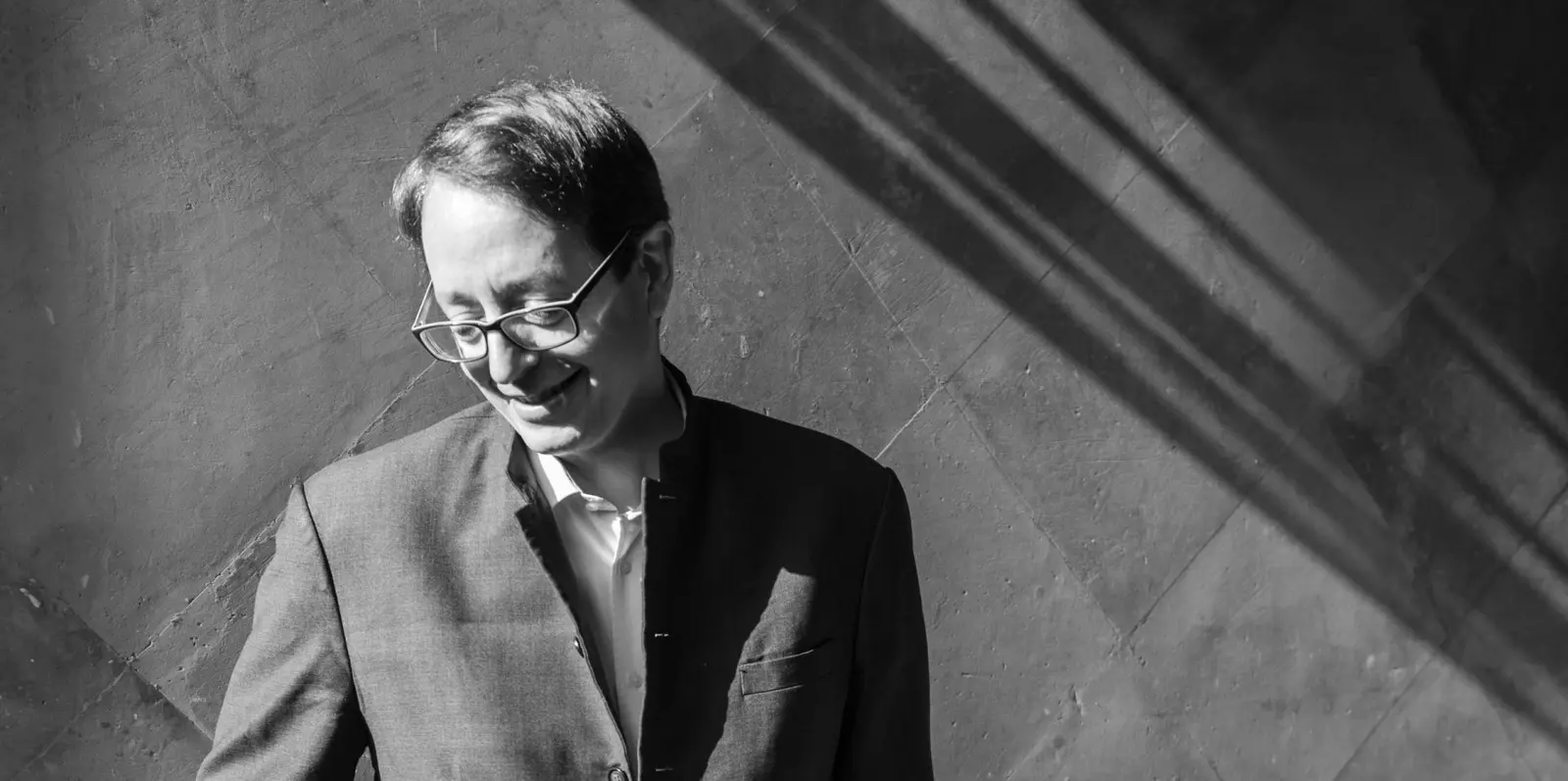
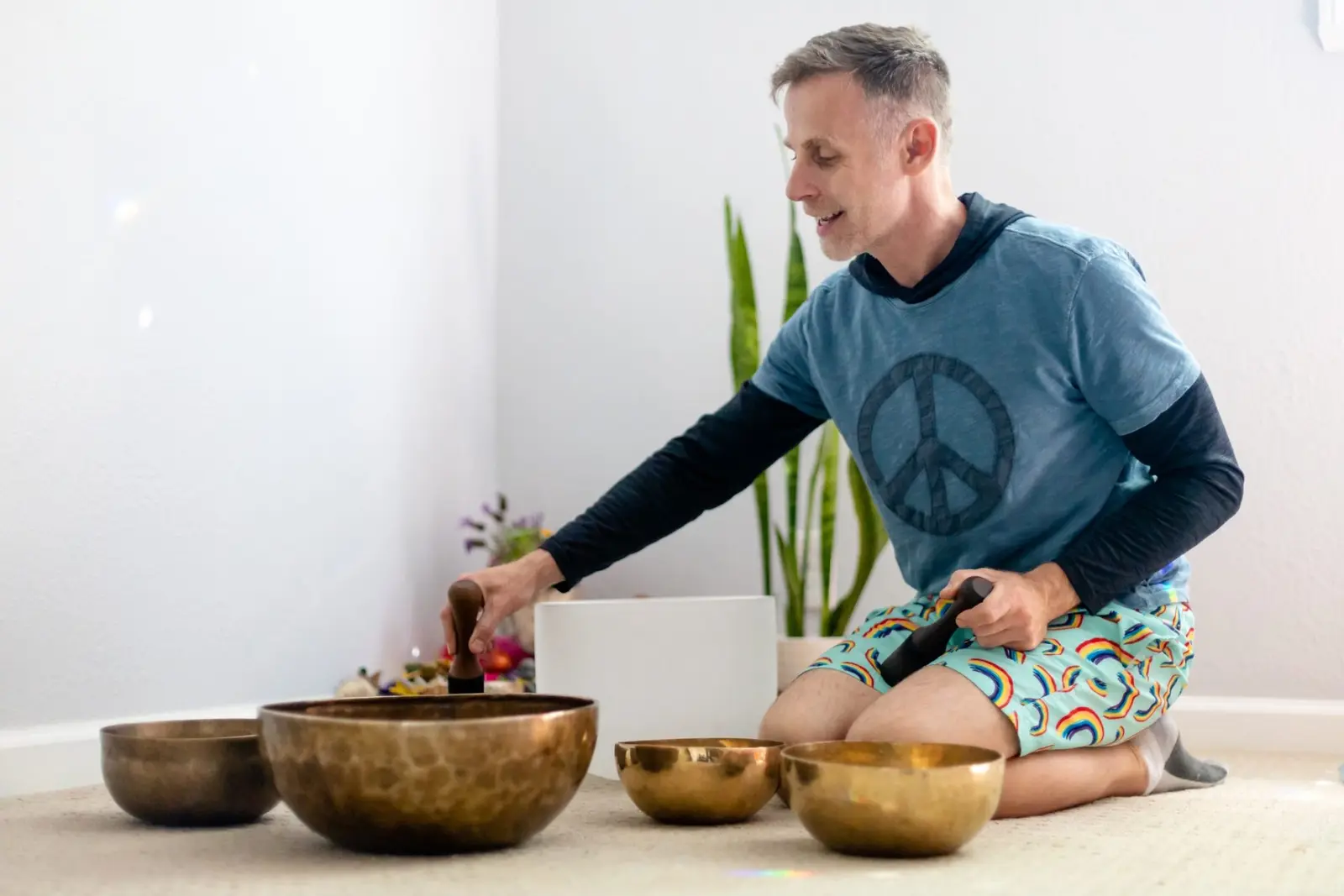
Ken Breniman, LCSW, C-IAYT, is a yoga therapist, thanatologist (aka “mindful mortal”), and primatologist-at-heart. Based in Oakland, California, Ken traces his spiritual roots to his Pennsylvania homeland, where he first learned the quiet art of nondenominational animism.
During his years living in Japan, he came to appreciate how Shinto—the country’s indigenous belief system that honors the sacredness of all things—still breathes through even the most modern corners of Japanese life.
Having traveled the globe to befriend and study both apes and humans, Ken carries a deep reverence for the delicate balance of life on Earth. His work invites fellow modern humans to dream more, dread less, and imagine how we might evolve into what he calls Homo animus—humans deeply connected to soul.
Ken is the self-published author of Subversive Acts of Humanity and a three body solution, two books that explore how grief, neuroscience, and kindness can help us grow into more compassionate creatures. When he isn’t writing or teaching, he tends to his Oakland garden, guiding both plants and people toward the light.
His next project is an illustrated trilogy on personal death awareness and grief capacity—a creative continuation of his lifelong devotion to mindful living and soulful dying.
(onward. upward. inward.)


When someone asks, ‘What do you do for a living?’, how do you respond?
I help humans evolve back into what we were always meant to be: kind animals.
What are you reading at the moment?
I just started to soak in the sage wisdom from two books*: The Book of Joan* (Lidia Yuknavitch) and Orpheus in the Bronx (Reginald Shepherd). One rages, the other refines; both remind me why freedom of speech and cognitive liberty are worth the fight!


When you think about your childhood, what book comes to mind?
The Chronicles of Narnia. These stories taught me early that wonder is a doorway, and that even grief can lead you somewhere luminous if you keep walking.

What did you want to be growing up?
A veterinarian, a comedian, and a monk—turns out I became a little of all three. I wanted to heal animals, heal people through laughter, and find peace in the process. Lily Tomlin was—and still is—my north star for mixing humor with humanity.
What do you think your school-aged self would think of you now?
When I was young, I doubted I’d live long enough to become myself. Now that I have, my younger self would whisper, “You stayed. You grew. You turned pain into purpose.” Then he’d laugh and say, “You never stopped being a Queerdo—and somewhere, Mr. Rogers and Jim Henson are smiling.”
If you could wrap up a single book and gift it to yourself on your 21st birthday, what book would you choose and why?
I would gift my twenty-one-year-old self a three body solution, my own queer, speculative love story disguised as sci-fi. Back then, I needed to know that being different wasn’t a defect—it was a design. That love could be complex, cosmic, and still completely human. I needed to believe that hope wasn’t naïve, that tenderness could survive cynicism, and that someday, the parts of me I hid would become the very things that heal others.

Do you have any books that you strongly associate with important people in your life?
Anam Cara by John O’Donohue will always remind me of my great-aunt Shirley, who embodied soul friendship long before I had words for it. On Earth We’re Briefly Gorgeous by Ocean Vuong belongs to my partner, Tim—every line feels like a love letter we’ve lived through together. And The Stand by Stephen King is for all my kin—chosen and biological—who know how to band together when the world tilts dark.


Which book have you recommended most to friends and family?
Lately, I’ve been recommending my own book, Subversive Acts of Humanity. It’s my love letter to Dr. Jane Goodall and to the better angels of our species. The book invites readers to pause, peer into the mirror, and ask not just who am I? but how do I want to be human? Buddhism taught me to look inward, but primatology taught me to recognize myself in every other creature. Somewhere between those reflections, evolution becomes empathy.
Do you prefer fiction or non-fiction? Ebooks, audiobooks or physical books?
Even as someone who reveres science and all it teaches us, I believe fiction is where the real magic lives. It’s the spark that reignites our species’ courage to dream, act, and evolve. Research will always be essential—but dreaming is how discovery begins. I’m 56 now, feeling my eyes age but my mind brighten, which feels like a fair trade. I still love the weight of a book in my hands, though I’ll admit: ebooks make curiosity easier to feed.
What’s the best book you’ve read in the last six months?
The Overstory by Richard Powers. I was a late comer but glad I was introduced to this book. It reminded me that trees are ready for us to learn from them—powerful teachers waiting patiently in plain sight. As someone who often focuses on apes as our teachers, it was refreshing to see the forest from the trees—and to remember how much wisdom lives in the stillness of those who dwell within it. The book rekindled my belief that every species, rooted or roaming, has something vital to teach us about belonging. It left me certain that evolution isn’t just about survival—it’s about learning how to listen and how and when to act.

Name a book that you feel everyone should read.
Braiding Sweetgrass by Robin Wall Kimmerer. It’s where science and soul firmly shake hands. Every chapter felt like a ceremony of remembrance, an invitation to see reciprocity as our original language. I loved hearing the author’s sweet, encouraging voice guide me through the ecosystem within and the wilderness around us. Dr. Kimmerer reminds us that gratitude is a form of intelligence, and that love, when extended to the natural world, is a radical act of restoration.

Which book do you feel has had the biggest impact on your life?
Man’s Search for Meaning by Viktor Frankl. It rewired how I understand suffering and service. Frankl’s logotherapy reminds us that even in humanity’s darkest hours, meaning can be a lifeline and purpose can be a critical form of rebellion. Reading it now feels especially urgent, as those of us in the U.S. and across the globe confront the haunting echo of “I thought we said never again.” This masterpiece is not just about survival; it is about remembering our responsibility to choose compassion, even when despair feels easier.

Are there any books you haven’t already mentioned that you’d want to include on your ‘Top 10’ reading list?
When Things Fall Apart by Pema Chödrön, The Book of Hope by Jane Goodall, No Death, No Fear by Thich Nhat Hanh, and The Body Keeps the Score by Bessel van der Kolk have each shaped how I hold healing, loss, and the precious gift of being alive.
I would also add Our Inner Ape by Frans de Waal, which offers a gentle reminder from the bonobos that altruism and empathy run deeper than language. And The Spell of the Sensuous by David Abram, which—ironically, through words—reveals how the intelligence of the natural world speaks without them.
These books remind me that healing is never a destination but a dialogue. They invite each of us into a lifelong conversation between body, breath, and belonging. They remind me why I write, teach, and listen: to help our species evolve not just through knowledge, but through what is shared between and beyond the spoken word.


Please tell us briefly about your latest book.
I tend to get ahead of myself, but I’m especially excited about my next project: Keni Meets Death*.* This is book one of an illustrated trilogy exploring how children and families can face death with courage and imagination. The first book follows a young child who isn’t afraid of death, but whose parent is. Through lucid dreaming and the child’s boundless imagination, they learn to meet thanatophobia—the fear of death—head-on.
Each book includes a section in the back with creative activities and further readings for families who have experienced loss or anticipatory grief, helping them move gently between heartbreak and healing. The second and third books follow the child into adulthood—first navigating the death of their beloved parent, and finally preparing for their own final good-bye.
I grew up without a space to talk about death with my own mother, so this work is deeply personal. My hope is that this trilogy becomes a gift for families, a companion in hard conversations, and a reminder that love can carry us across even the hardest thresholds. Before I take my last breath, I’d love to see these books in hospices, hospitals, schools, and libraries around the world.
If you were to write an autobiography, what would it be called?
Confessions of a Queer Primate: Notes on Survival, Psychedelics, and the Evolution of Kindness
“From surviving a suicide attempt as a teen to guiding others through psychedelic healing and learning to face his own mortality, Ken Breniman explores what it means to evolve through compassion. Inspired by UCLA suicidologist Dr. Edwin Shneidman, who invited his own therapist to write the last chapter of A Commonsense Book of Death, Breniman writes with radical honesty about life, loss, and the human animal’s capacity to heal.” Blending neuroscience, primatology, and queer spirituality, this would be my last offering to humanity as both memoir and manifesto: a love letter to the art of staying alive, awake, and kind.

If you enjoyed this interview with Ken, you can find out more about him and his work at his website, and on his Facebook and Instagram pages.
As an Amazon Associate we earn from qualifying purchases made through links on this page.