Julian Baggini: Books to Shape your Ethical Framework
Julian Baggini’s reading list
15 books mentioned in this interview
- The Year of Reading Dangerously · Andy Miller
- Bears in the Night · Stan Berenstain
- The Basque History of the World · Mark Kurlansky
- Analects of Confucius · Confucius
- Reasons and Persons · Derek Parfit
- The Ego Trick
- The Ethics · Aristotle
- Watching the English · Kate Fox
- The Dark Heart of Italy · Tobias Jones
- The Book of Tea · Okakura Kakuzō
- When Breath Becomes Air · Paul KalanithiRecommended 4 times
- An Enquiry Concerning the Principles of Morals · David Hume
- The Hitchhiker’s Guide to the Galaxy · Douglas AdamsRecommended 14 times
- Thinking, Fast and Slow · Daniel KahnemanRecommended 15 times
- String Theory · David Foster Wallace
Books by Julian Baggini: Welcome to Everytown: A Journey into the English Mind, The Philosopher’s Toolkit, Freedom Regained: The Possibility of Freewill
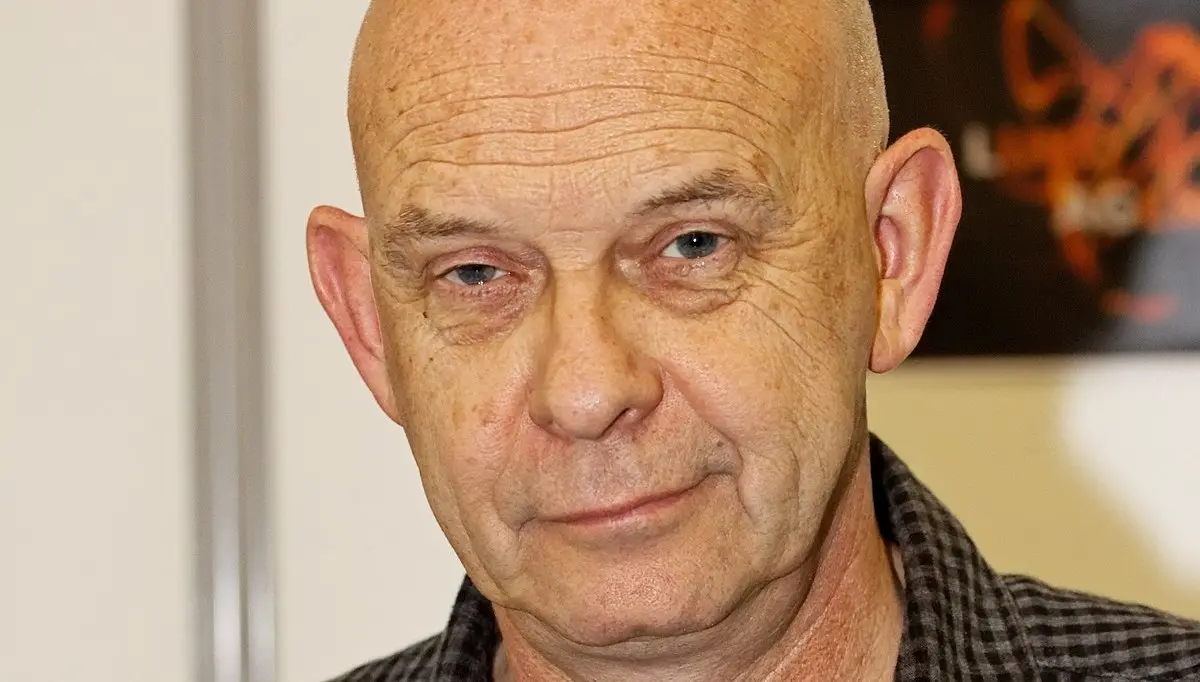
Julian Baggini is one of the UK’s leading philosophers, having authored several books, including Welcome to Everytown: A Journey into the English Mind, The Philosopher’s Toolkit and more recently Freedom Regained: The Possibility of Freewill. On top of this, Julian is also a regular contributor to a selection of newspapers and magazines, including the Guardian, Prospect and the Financial Times. As if that wasn’t enough, Julian Baggini has now also given a fascinating TED talk where he discusses the perception of self, which is well worth checking out. Julian’s speciality is discussing philosophy that can be found in ordinary life, making it more accessible to beginners or novices. Julian was also a founder/member of the Humanist Philosophers’ Group. As one of the countries most respected philosophers, I was extremely excited that he agreed to allow me to interview him and discover the books that have helped shape his mind. So, here it is, my interview with Julian Baggini…


When someone asks you ‘what do you do for a living?’ – how do you respond?
I usually say I write for newspapers and magazines, as well as books. This has the virtue of being completely accurate without the potential self-aggrandising of calling myself a writer or a philosopher.
What are you reading at the moment?
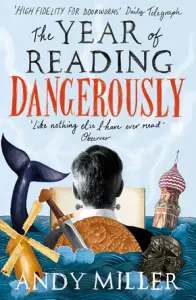
I’m reading a book that I am reviewing, so don’t wish to announce its title in advance! Most of what I read is for work, one way or another. However, a few weeks ago I went on a genuine holiday and read an almost unprecedented three books for pleasure, including The Year of Reading Dangerously by Andy Miller.
When you think about your childhood, what book comes to mind?
Bears in the Night by Stan Berenstain. This must have been one of the first books I read. It has a vocabulary of about 17 words. The plot is brilliant: a bunch of bears get out of bed, run around the wood and go back to bed again. I never tired of it.

What did you want to be when you were growing up?
I didn’t settle, to be honest. Teacher, solicitor and social worker were among the candidates. Writer didn’t even cross my mind as a viable option.
What do you think your school aged self would think of the present day you?
Envious. First, I’m grown up and every kid wants to be that. Second, I write for a living, and what could be better than that? He might be disappointed that I don’t write stories though, as that’s what I always loved doing.
If you could wrap up a single book and gift it to yourself as you left education – which book would it be?
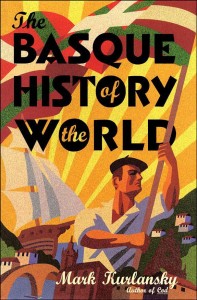
That’s difficult because for books to have the right impact they have to come to you at the right time. Also, I would not want to have diverted myself from the general path I took and it’s possible that if I sent myself, say, the Analects of Confucius by Confucius, I might not have studied Western philosophy. So I think I’d play safe and send myself something randomly brilliant, like The Basque History of the World by Mark Kurlansky, just to keep me enthused about books.

Does your reading have routine? Is there a particular time or place that you like to read?
My life has almost no routine apart from some social sport, the timing of which is out of my control. I tend to read afternoons or evenings, leaving mornings for writing. One of the best places to read is on a train (as long as it is quiet!) as there are fewer temptations to distraction.
Which book has had the biggest impact on your career so far?
Without a doubt Reasons and Persons by Derek Parfit. It was what made me want to do postgraduate work, it became the subject of my PhD, and later resulted in my book The Ego Trick. Having said that, in terms of shaping the general way I think about philosophy, Hume and Aristotle have been more important..


Do you have any books that you strongly associate with someone important in your life?
My better half and I both take The Ethics by Aristotle as our touchstone.

What book have you recommended the most to friends and family?
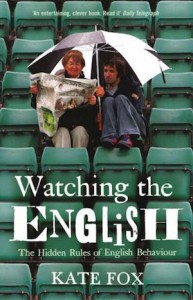
Not philosophy ones, but books that help us to understand our cultures. I’m always recommending Watching the English by Kate Fox, and as an insight into my father’s country, The Dark Heart of Italy by Tobias Jones.

Do you prefer fiction or non-fiction?
I read almost all non-fiction but always want to read more fiction. If I could only read one or the other, non-fiction would win because ultimately life is more non-fiction than not.
Do you think reading is important?
In theory the medium is not important. Learning, curiosity, insight into others: these are all important and I think some people can get a heck of a lot of this by, say, film, television or theatre. In practice however, if you don’t read you cut yourself off from so much that is enriching.
What’s the best book you’ve read in the last 6 months?
The Book of Tea by Okakura Kakuzō. Although the Japanese tea ceremony is utterly foreign and could not be a part of my life, the philosophy behind it resonates very much. I won’t say more. the book is very short and I recommend people read it.

Do you prefer real books or digital books?
Real books. I’m sure that’s just generational. It’s the technology I understand intuitively.
Name a book that you feel every human should have to read by law.
If such a law existed, it would be terrible for whichever book it commanded us to read. Maybe the Highway Code.
What is the book that you feel has had the single biggest impact on your life?
That’s so hard to say. I would guess The Ethics by Aristotle because it provides the basic framework within which I think about so much.
Are there any books you haven’t mentioned that you feel would make your reading list?
Some David Hume should be in there, perhaps An Enquiry Concerning the Principles of Morals by David Hume. The Hitchhiker’s Guide to the Galaxy by Douglas Adams is probably the book I’ve read the most. And since I think everyone should know some contemporary psychology, why not Thinking, Fast and Slow by Daniel Kahneman.
- when breath becomes air
 when breath becomes air
- An Enquiry Concerning the Principles of Morals by David Hume
 An Enquiry Concerning the Principles of Morals by David Hume
- The Hitchhiker’s Guide to the Galaxy by Douglas Adams
 The Hitchhiker’s Guide to the Galaxy by Douglas Adams
- Thinking, Fast and Slow by Daniel Kahneman
 Thinking, Fast and Slow by Daniel Kahneman
What books or subject matter do you plan on reading in the next year?
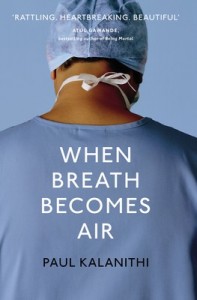
I’m reading a lot of comparative philosophy for a book I am working on. Otherwise, my wish list includes String Theory by David Foster Wallace and When Breath Becomes Air by Paul Kalanithi.


If you were to write an autobiography – what would it be called?
I’ve Been Thinking.
If you’d like to learn more about Julian Baggini, you can do that on his website and his Twitter.
As an Amazon Associate we earn from qualifying purchases made through links on this page.