Bernard Cornwell Interview: Enough Books to Sink a Boat
Bernard Cornwell’s reading list
10 books mentioned in this interview
- The Gene: An Intimate History · Siddhartha Mukherjee
- The BibleRecommended 34 times
- Letter to a Christian Nation · Sam Harris
- God is Not GreatRecommended 3 times
- Dictionary of Sects, Heresies, Ecclesiastical Parties, and Schools Of Religious Thought · John Henry Blunt
- Lost Horizon · James Hilton
- Notes from a Small Island · Bill Bryson
- The Year of Lear: Shakespeare in 1606 · James Shapiro
- Pacific Crucible: War at Sea in the Pacific, 1941-1942 · Ian W. Toll
- The Face of Battle: A Study of Agincourt, Waterloo, and the Somme · John Keegan
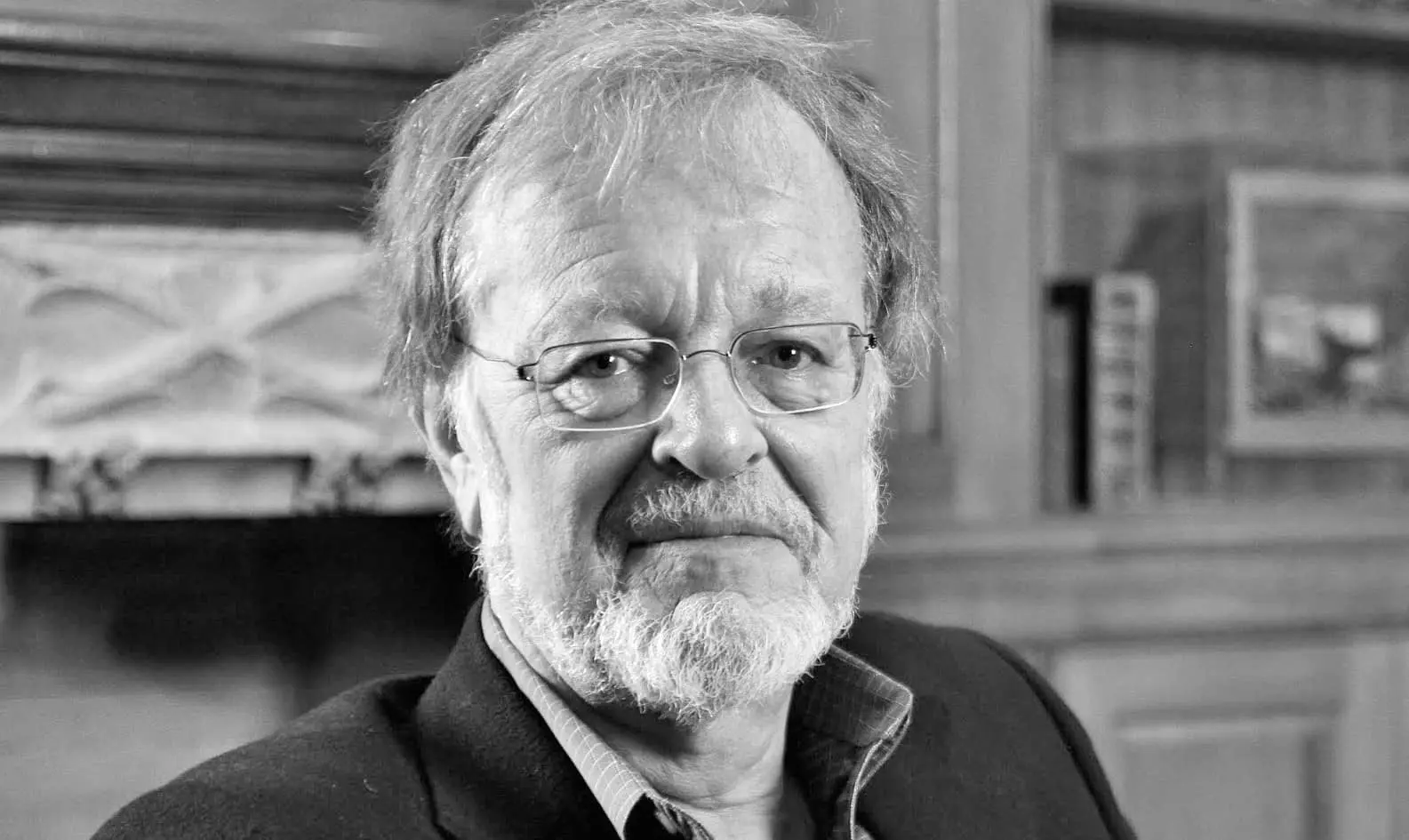
Bernard Cornwell, OBE, is best known as an author of novels about the Napoleonic Wars, in particular the tales of his most famous character, Richard Sharpe. Bernard has authored five series of historical novels, and a further series of contemporary thriller novels. Cornwell is famous for the historical accuracy of his books, going so far as to explain how his novel matches or differs from the actual historical event in each. Given the popularity of Bernard’s novels, he has had two of his series adapted for TV. The first is the Sharpe television series on ITV, the second was The Last Kingdom on BBC. I was excited to have the chance to interview an author as prolific and highly regarded as Bernard Cornwell. His reading list is fascinating, so please do enjoy my interview with the one and only Bernard Cornwell…
Bernard, when someone asks you ‘what do you do for a living?’ – How do you respond?
I tell them I’m a writer and then wait, with a certain amount of dread, for the next question which is usually, ‘have I read any of your books?’. To which the only possible answer is ‘How the hell would I know?’.
What are you reading at the moment?
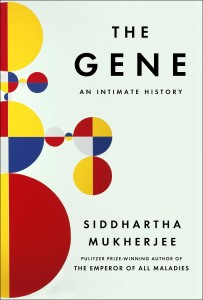
The Gene: An Intimate History by Siddhartha Mukherjee. It’s beautifully written and makes a highly technical subject accessible. It also gave me an idea that will make a whole chapter in my next book and no, I’m not telling.
When you think about your childhood, what book comes to mind?
The Bible. It was a horrible childhood, but on the other hand, there’s a great advantage in having had the King James Version of the Bible hammered into the brain because it’s a great manual of style.

What did you want to be when you were growing up, Bernard?
Grown-up.
What do you think your school-aged self would think of the present-day you?
He wouldn’t believe it.
If you could wrap up a single book and gift it to yourself as you left education – which book would it be?
Letter to a Christian Nation by Sam Harris. I very much like Christopher Hitchens’ furious assault on Christianity in God is Not Great, but Sam Harris is reasonable, gentle and, because of that, more likely to persuade.


Does your reading have a routine? Is there a particular time or place that you like to read?
Any time, any place, all the time. For amusement, and failing anything else to read, I keep Dictionary of Sects, Heresies, Ecclesiastical Parties, and Schools Of Religious Thought by John Henry Blunt in the bathroom.

Which book has had the biggest impact on your career so far?
The first one I wrote! If that had failed there wouldn’t have been a second, or third or, for that matter, a fifty-fifth.
Do you have any books that you strongly associate with someone important in your life?
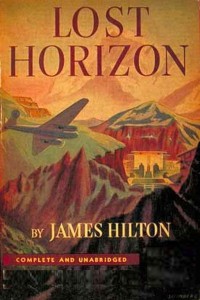
Lost Horizon by James Hilton, my wife’s favourite. She’s a romantic pacifist Episcopalian yoga teacher, but loyally reads my books and then re-reads Lost Horizons to restore her faith in humanity.
What book have you recommended the most to friends and family?
Notes from a Small Island by Bill Bryson. Actually, anything by Bill Bryson.

Do you prefer fiction or non-fiction?
Non-fiction or that’s what I find myself reading most of the time, though I do have an addiction to the well-written police procedural and will drop anything to read John Sandford’s newest.
Do you think reading is important?
Yes.
What’s the best book you’ve read in the last 6 months?
It’s invidious to pick one! But I spend my summers on stage in a small Cape-Cod repertory theatre where, this year, I played Prospero, so I’ll pick The Year of Lear: Shakespeare in 1606 by James Shapiro, but an honourable mention must go to Pacific Crucible: War at Sea in the Pacific, 1941-1942 by Ian W. Toll, the first of a superb trilogy on World War II in the Pacific.


Do you prefer real books or digital books?
I prefer the real. Books do furnish a room, as Anthony Powell wrote. But for travel? The iPad is a godsend. I once joined two friends in a small boat to cross the Atlantic and the book bag we carried aboard almost sunk the boat.
Name a book that you feel every human should have to read by law.
Any book which opposes such universal prescriptions.
What is the book that you feel has had the single biggest impact on your life?
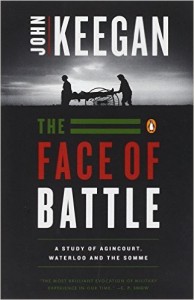
The Face of Battle: A Study of Agincourt, Waterloo, and the Somme by John Keegan. It changed forever the way that Military History is written.
Are there any books you haven’t mentioned that you feel would make your reading list?
About a thousand. But how sad it was that Terry Pratchett died, I do miss his wonderful books.
What books or subject matter do you plan on reading in the next year?
I don’t make such plans, sorry.
If you were to write an autobiography – what would it be called, Bernard?
It wouldn’t, it would mean revisiting my childhood, so it isn’t going to happen.
If you’d like to learn more about Bernard Cornwell following on from this interview, you can find Bernard on his website, Facebook and his Twitter.
As an Amazon Associate we earn from qualifying purchases made through links on this page.