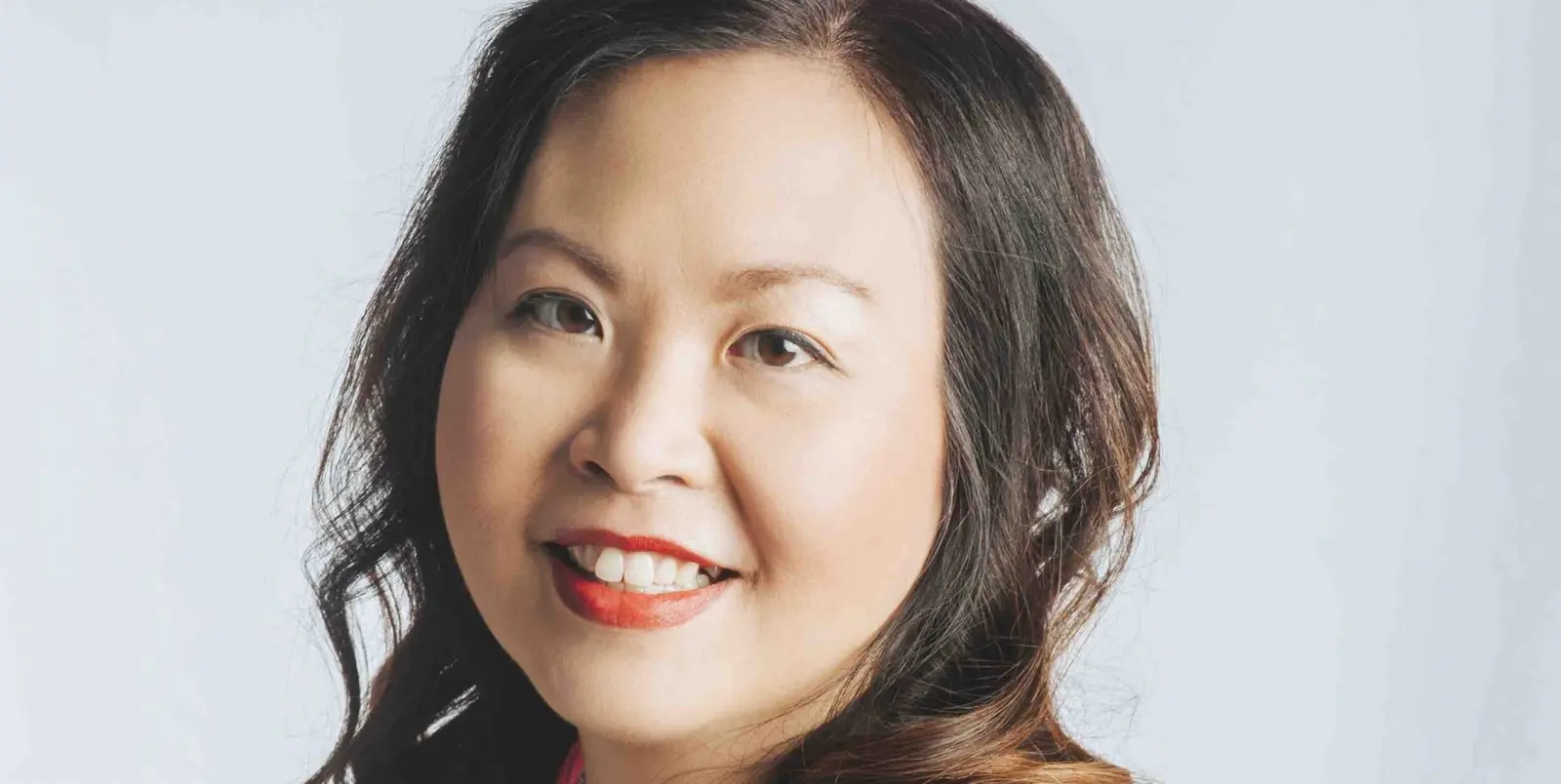
Victoria Wlosok: Crafting Modern Mysteries
Victoria Wlosok’s reading list
5 books mentioned in this interview
- Dolphins at Daybreak · Mary Pope Osborne
- Their Vicious Games · Joelle Wellington
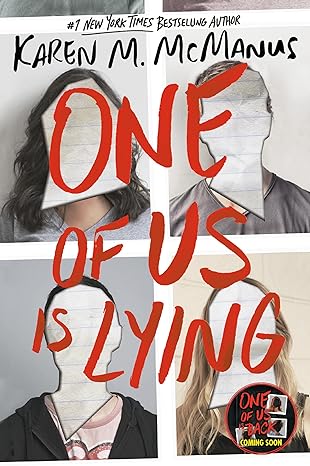
- One of Us is Lying · Karen McManus
- The Little Prince · Antoine de Saint-ExupéryRecommended 12 times
- A Good Girl’s Guide to Murder · Holly Jackson
Books by Victoria Wlosok: How to Find a Missing Girl
Get ready to dive deep into the world of Victoria Wlosok—a brilliant student from the University of North Carolina at Chapel Hill, who isn’t just acing her English and Business courses but has also penned a gripping debut, “How to Find a Missing Girl.” Born amidst the mountains of Sylva to Czech parents, Victoria has a knack for keeping readers on the edge of their seats. And hey, when she’s not crafting suspenseful tales, she’s mastering co-op video games, much to her siblings’ playful dismay.
Please enjoy our interview with Victoria Wlosok…

What was the first book that truly captivated your imagination as a young reader, and do you think it played a role in your journey to becoming a writer?
The first book I ever read was Dolphins at Daybreak by Mary Pope Osborne. It’s the ninth in the Magic Tree House series—which, as a whole, was incredibly formative for me growing up—and finishing it in kindergarten is what kickstarted my long-standing love of reading (and my life-long dream of being an author.) After Dolphins at Daybreak, I devoured over 30 other Magic Tree House books (including the tie-in research guides!), and doing so strengthened my need to tell stories of my own.
Now, I work on my own novels in between my English and Creative Writing classes at the University of North Carolina at Chapel Hill—a fact which feels wonderfully serendipitous, because Mary Pope Osborne graduated from UNC herself in 1971!

Congratulations on your debut novel, “How to Find a Missing Girl” Can you share the inspiration behind the story, and what readers can expect from it?
“How to Find a Missing Girl” is a story about a seventeen-year-old amateur sleuth named Iris Blackthorn who—along with her sapphic detective agency—decides to investigate when her ex-girlfriend (and creator of a locally notorious true-crime podcast) goes missing a year after her older sister disappears. The book was inspired by my own experiences growing up in a rural community, the complex emotions I have surrounding the commercialization of true-crime as a storytelling medium, and my love of the YA thriller genre as a whole.
If readers pick up the book, they can expect a multi-media format (podcast transcripts, texts, news articles, and voicemails are interwoven through the book), an immersive Southern setting, general twists and turns, good-natured Gen Z hijinks, and a slew of LGBTQ+ representation. (The main character in “How to Find a Missing Girl” is pansexual, and there are explicitly lesbian, non-binary, bisexual, and queer side characters featured as well.)

As a young author, what have been some of the most rewarding aspects of the writing and publishing process for you?
I’ve wanted to be a published author ever since I was five years old, so being able to live as one at 20 is a dream come true. Even though the work is hard and the process of publication can be even harder, I’m genuinely so grateful that I’m able to write books and connect with readers all over the world.
In the age of true crime podcasts and amateur sleuthing, your book taps into some very relevant themes. How do you see the intersection of modern technology and storytelling in your work?
As someone who grew up in a time period characterized by the rapid evolution of technology, I believe including modern tech is crucial when telling stories about present-day teenagers. In How to Find a Missing Girl specifically, I mention real online spaces (such as the r/WithoutATrace subreddit or NamUs) to add credibility to my protagonist’s sleuthing, and I also use a fictitious true-crime podcast as a tenor for social critique.
There’s a delicate balance between striking a chord with readers and pulling them out of a story, however, so I think it’s important to utilize technology carefully; a conversation between teens riddled with outdated Vine references won’t be received in the same way as a passing mention of SnapMap, for example. But by keeping young adults in mind, integrating technology with the prose of a novel can be a great way to make a story feel more immersive, immediate, and inevitable.

What’s the best book you’ve read in the past 6 months? What made it stand out for you?
In the past six months, my stand-out read was Their Vicious Games by Joelle Wellington. It’s a satirical YA thriller that explores racism, classism, and privilege through a story that’s pitched as Squid Game meets The Bachelor, and it’s just as fun as it sounds! Other than being highly enjoyable, the novel features an extremely well-developed cast with a provocative protagonist that completely sucked me in and refused to let me go. I also believe it’s a great indicator of where YA thrillers are heading as a genre, and I’m excited to see more books that weave together social commentary and entertainment moving forward as seamlessly as Wellington.

“How to Find a Missing Girl” explores the theme of sisterhood. Are there any books or authors who have influenced your approach to portraying complex relationships in your writing?
One of Us is Lying by Karen McManus was the first YA thriller I ever read, and I knew I wanted to be a thriller author immediately upon finishing it. It’s twisty, complex, and well-executed, but above all it feels like a book about high schoolers who are real. They have ambitions, secrets, and histories that all work together to create an intricately layered web, and those complicated elements are something I wanted to bring into my own thriller novel.
When thinking about my protagonist, Iris Blackthorn, and what would drive a normal teenager to suddenly become an amateur detective, it became clear to me early on in the drafting process for How to Find a Missing Girl that she would have a personal connection to a well-known case in her small hometown: the disappearance of Stella Blackthorn, her popular older sister. After I pinned down Iris’s backstory, her motivation and character fell into place; during revisions, however, I had to switch my focus to characterizing Stella instead. It’s always a challenge to flesh out characters who don’t appear on-page, but I was compelled to explore the special dynamic that exists between sisters throughout the narrative, and I think doing so resulted in a stronger overall story.
As someone with a significant online presence, how do you see social media and platforms like TikTok influencing the way young readers discover and engage with books today?
Some of my favorite books are popular #BookTok books, and I’ve found a lot of amazing recommendations through the app that I wouldn’t have been exposed to otherwise. That’s great! Because of the social media push, there are also many people who are now getting back into reading, and that’s good too.
When talking with readers face-to-face, however, it doesn’t take long to realize there’s a lot of rhetoric surrounding #BookTok as a whole. But while I agree with a lot of the critiques of #BookTok—it can feel like an echo chamber at times, and there’s something to be said for the allocishet stories with white, able-bodied characters which typically rise through the recommendation ranks—I’m overwhelmingly optimistic about the movement’s impact moving forward.
Specifically, I’m excited about the growing ranks of creators who build platforms around hyping up marginalized authors who wouldn’t be on their audience’s radar otherwise. That’s a wonderful thing, and it’s something I’m hoping to see more of as #BookTok progresses.
What’s the most impactful book you’ve ever read, and how did it leave a mark on you?
It’s hard to choose just one, since I feel like every book has left a mark on me as a reader. If I had to pick, though, I would say The Little Prince by Antoine de Saint-Exupéry. It’s a book I re-read every few years, and each time I draw a different meaning from it. Most times, though, it reminds me to nurture my whimsy for life, which is something I feel the need to be reminded of as I step away from my inner child and venture further into adulthood.

Is there a book that you find yourself frequently recommending or gifting to friends and family? What makes it special to you?
For readers looking for an entry point into the YA thriller space, I’m constantly recommending A Good Girl’s Guide to Murder by Holly Jackson. If Karen McManus made me want to become a YA thriller author, Holly Jackson is the writer that made me start putting words to the page. Other than having a masterfully constructed plotline, “A Good Girl’s Guide to Murder” has a slew of loveable (and despicable) characters within a vibrant small town. It’s also currently being adapted into a TV series, so now is a great time to pick it up!

Can you describe your perfect reading conditions and environment? Do you have any reading rituals or habits that enhance your experience?
I wish I was the type of reader who makes a mug of hot tea, curls up with a fuzzy blanket, and lights a seasonal scented candle each time they sit down with a book, but most of my reading is done in snatches whenever I can squirrel a moment away: on the bus back to my dorm, over dining hall mac & cheese, under the table before the start of an RA staff meeting… truly the most random times. I also use random items as bookmarks—reciepts, highlighters, entire blocks of rose quartz—and I’m usually reading at least four books at once… so as a reader in general, I have a very chaotic vibe. When I have the time, though, I love reading while it rains. For me, rainfall provides the perfect background ambiance to get fully immersed in a story.
Looking ahead, do you have any future writing projects or ideas that you’re excited to explore after the release of your debut novel?
I’m currently working on my second novel, which is a locked-room YA thriller pitched as Saw meets I Know What You Did Last Summer. (Specific details to follow, but you can add it to Goodreads now!) After that, I’d love to keep writing books in the YA thriller space that highlight LGBTQ+ characters and themes, but I’d also like to explore other subgenres within Young Adult and maybe even Middle Grade.
As you can probably tell, I have a lot of different ideas for future projects, but I’m excited about the variety! As long as I’m writing, I know I’ll always find something to entertain myself with.
Finally, what advice would you offer to other young writers or aspiring authors who dream of publishing their own books one day?
Work hard, don’t give up, and believe in yourself. As Jodi Picoult said, you can’t edit a blank page, so you should focus on finishing your first draft. Do your research, tap into a community, and be receptive to critique. If you feel like you’re ready for publication, trust yourself in that feeling; if other people tell you that you’re not, however, keep going until you are. Eyes on your own paper. Strive to be a better writer today so you can be an even better writer tomorrow. Always ask questions. Learn by doing. Seek out advice from people you look up to. Above all, though, write and read as if your life depends on it, because your future one just might.
If you enjoyed this interview with Victoria Wlosok, be sure to visit her website and follow her on her socials; Instagram, Twitter and TikTok.
Image Credit: Pavel Wlosok
As an Amazon Associate we earn from qualifying purchases made through links on this page.