Jon Gruber: Life Is About Tradeoffs
Jon Gruber’s reading list
20 books mentioned in this interview
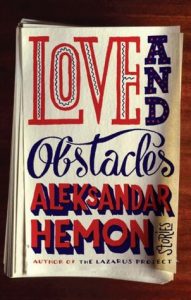
- Love and Obstacles · Aleksandar Hemon
- Doc Savage novels
- The Inner Game of Tennis · W. Timothy Gallwey
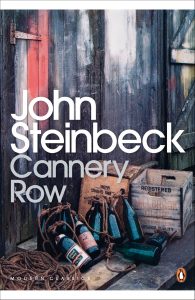
- Cannery Row · John SteinbeckRecommended 4 times
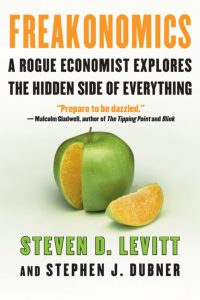
- Freakonomics · Stephen Dubner and Steven LevittRecommended 6 times
- The Undercover Economist · Tim HarfordRecommended 5 times
- Naked Economics · Charles Wheelan
- The Bonfire of the Vanities · Tom Wolfe
- The Shadow of the Wind · Carlos Ruiz Zafon
- The Wealth Of Nations · Adam SmithRecommended 11 times
- Corelli’s Mandolin · Louis de Bernieres
- Where Men Win Glory · Jon Krakauer
- Harry Potter and the Sorcerer’s Stone · J.K. Rowling
- The Corrections · Jonathan Franzen
- Middlesex · Jeffrey EugenidesRecommended 4 times
- The Road to Wellville · T.C. Boyle
- A Fine Balance · Rohinton Mistry
- The Orphan Master’s Son · Adam JohnsonRecommended 3 times
- Motherless Brooklyn · Jonathan Lethem
- The Thousand Autumns of Jacob De Zoet · David Mitchell
Books by Jon Gruber: Public Finance and Public Policy
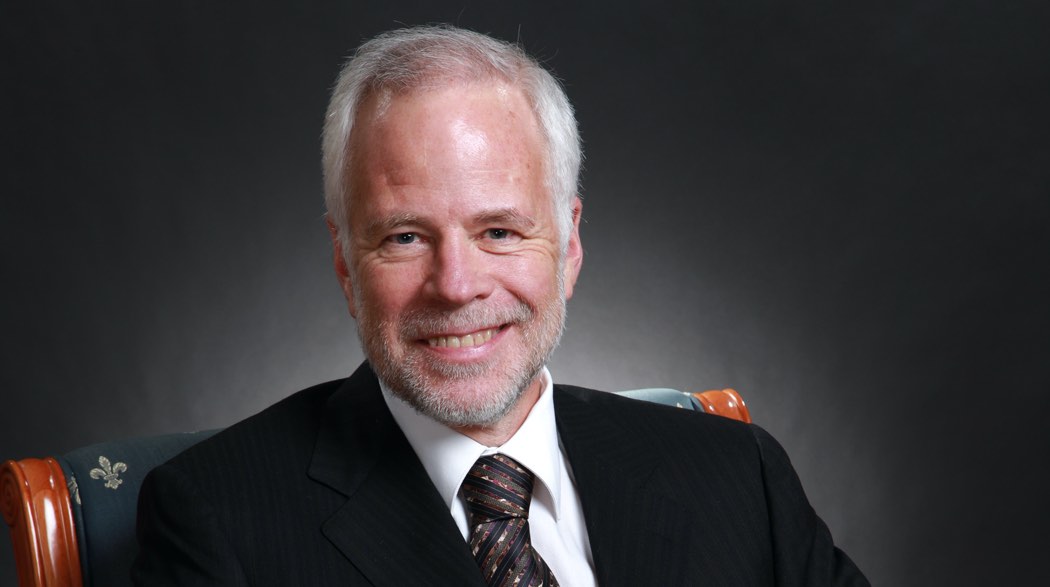
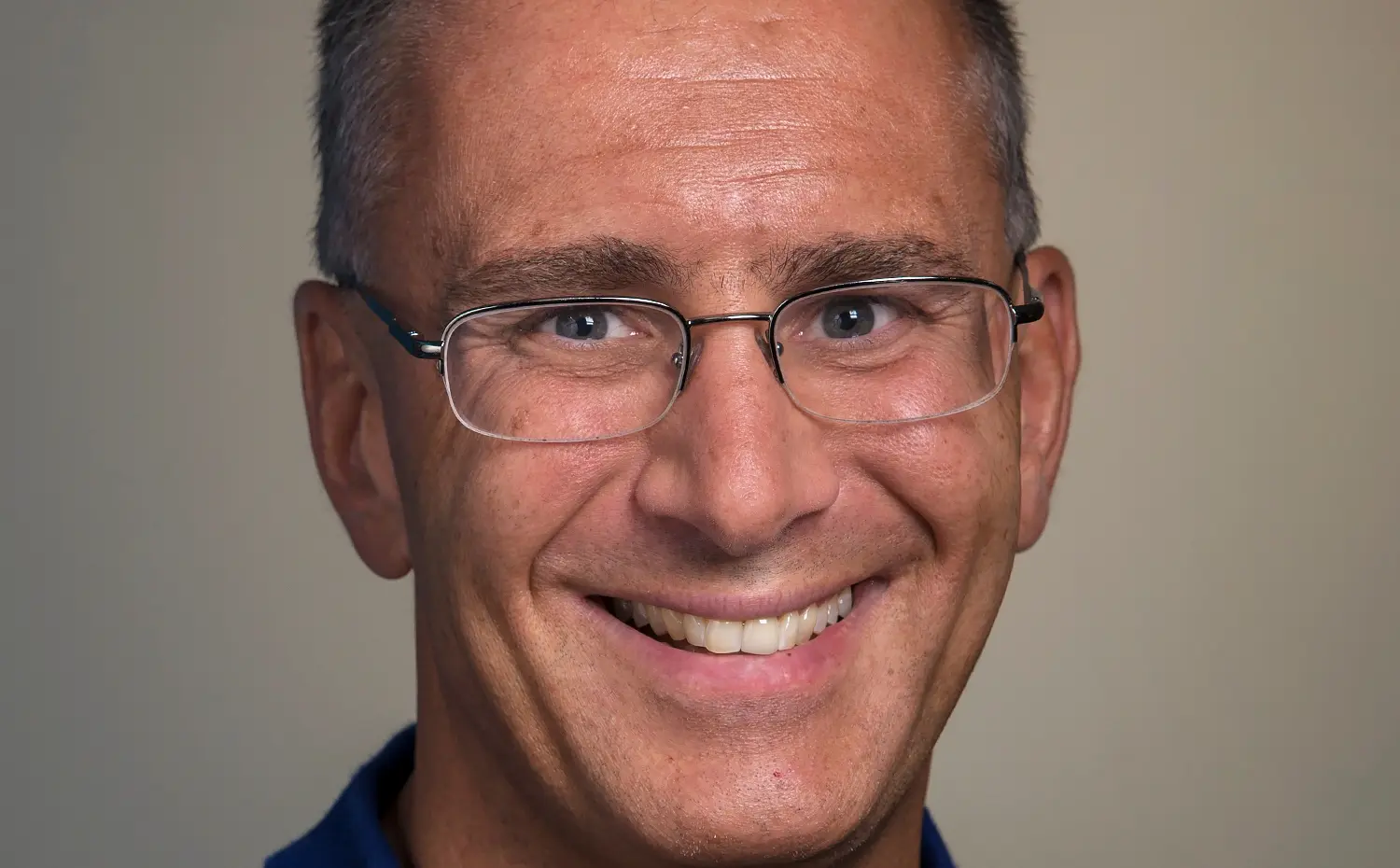
Jon Gruber is the Ford Professor of Economics at the Massachusetts Institute of Technology, where he has educated students since 1992. On top of this, Jon is also the Director of the Health Care Program at the National Bureau of Economic Research, and President of the American Society of Health Economists. With over 160 published research articles, six research volumes edited, and a published text entitled Public Finance and Public Policy which used a leading undergraduate text, it’s fair to say that Jon Gruber is a world respected economist. In 2006, Jon was awarded the American Society of Health Economists Inaugural Medal for the best health economist in the nation aged 40 and under. In 2009 and 2010, Jon Gruber served as a technical consultant to the Obama Administration and helped craft the Patient Protection and Affordable Care Act, commonly referred to as ‘Obamacare’. Following his work with the President, Jon Gruber was named as ‘one of the Top 25 Most Innovative and Practical Thinkers of Our Time’ by Slate Magazine. Jon’s work has had a huge impact on the people of United States, and I was honoured to have a chance to talk books with him. Please enjoy my interview with Jon Gruber…

When someone asks you ‘what do you do for a living?’ – How do you respond?
I tell them that I teach.
What are you reading at the moment?
When you think about your childhood, what book comes to mind?
I think of the Doc Savage novels.

What did you want to be when you were growing up?
I didn’t really think much about it when I was very young. The earliest opinion I can remember having was wanting to be a lawyer in high school and for most of college, before deciding at the last minute to go to Economics graduate school.
What do you think your school aged self would think of the present day you?
I think he would be pretty impressed that I have such a great wife!
If you could wrap up a single book and gift it to yourself as you left education – which book would it be?
The Inner Game of Tennis by W. Timothy Gallwey. Not so much for the tennis but for the life philosophy. But I don’t know if 26 year old me would have appreciated it…

Does your reading have routine? Is there a particular time or place that you like to read?
I read for 20-30 minutes each night. Since my kids left home I also get to read for a couple hours on the weekends, and obsessively on vacations.
Which book has had the biggest impact on your career so far? How did it impact it?
Cannery Row by John Steinbeck. I was really moved by the character of Doc and I thought that I wanted to be like him, always inquisitive and striving for more.

Which three books would you recommend for a complete novice who wants to learn about economics?


Do you have any books that you strongly associate with someone important in your life?
I strongly associate The Bonfire of the Vanities by Tom Wolfe with my wife. We both read this book at about the same time and found it amazing – we still use the terms from that book. I also strongly associate the Harry Potter books with my oldest child.

What book have you recommended the most to friends and family?
The book I recommend the most is The Shadow of the Wind by Carlos Ruiz Zafon.

Do you prefer fiction or non-fiction?
I read almost exclusively fiction (except for John Krakauer).
What’s the greatest book on economics ever written?
The Wealth Of Nations by Adam Smith. Rarely can an entire discipline the size of economics be traced to a single book, but this was the book that started it all.

Do you think reading is important?
I do think it is quite important to get outside of one’s life now and then and focus on others.
What’s the best book you’ve read in the last 6 months?
Corelli’s Mandolin by Louis de Bernieres. I love Dickensian novels that both have playful writing and an intricate plot. This is a great mix.

Do you prefer real books or digital books?
I only read real books. I like to flip the pages back and forth as I remind myself what I have read
Name a book that you feel everyone would benefit from reading and explain why.
Where Men Win Glory by Jon Krakauer. My favorite non-fiction novel is an incredible mix of explaining the screwup that was the Iraq/Afghanistan wars and the complicated character that was Pat Tillman.

What is the book that you feel has had the single biggest impact on your life? What impact did it have?
Two books. One is Cannery Row by John Steinbeck, as mentioned earlier. The other is Harry Potter and the Sorcerer’s Stone by J.K. Rowling. I had given up reading for about a decade to focus more on news and other sources. When my oldest was ready to try Harry Potter I thought I should read it first and make sure it was OK. I loved it so much it kickstarted my obsession with reading and I have read hundreds of books in the 20 years since.

If you could only teach the youth of today one thing about economics, what would it be and why?
To always consider the opportunity cost of their decisions. Life is about tradeoffs and only by recognizing them can you make sure you are doing what is best.
Are there any books you haven’t mentioned that you feel would make your reading list?
Too many to mention! My other top books would probably be:
The Corrections by Jonathan Franzen, Middlesex by Jeffrey Eugenides, The Road to Wellville by T.C. Boyle, A Fine Balance by Rohinton Mistry, The Orphan Master’s Son by Adam Johnson, Motherless Brooklyn by Jonathan Lethem, and The Thousand Autumns of Jacob De Zoet by David Mitchell.
- The Corrections by Jonathan Franzen
 The Corrections by Jonathan Franzen
- Middlesex by Jeffrey Eugenides
 Middlesex by Jeffrey Eugenides
- The Road to Wellville by T.C. Boyle
 The Road to Wellville by T.C. Boyle
- A Fine Balance by Rohinton Mistry
 A Fine Balance by Rohinton Mistry
- The Orphan Master’s Son by Adam Johnson
 The Orphan Master’s Son by Adam Johnson
- Motherless Brooklyn by Jonathan Lethem
 Motherless Brooklyn by Jonathan Lethem
- The Thousand Autumns of Jacob De Zoet by David Mitchell
 The Thousand Autumns of Jacob De Zoet by David Mitchell
What books or subject matter do you plan on reading in the next year?
I will continue to read literary fiction along the lines of the list above.
If you were to write an autobiography – what would it be called?
The Half-Nerd.
If you’d like to learn more about Jon Gruber, you can find him on his academic page.
As an Amazon Associate we earn from qualifying purchases made through links on this page.